
 EN
EN

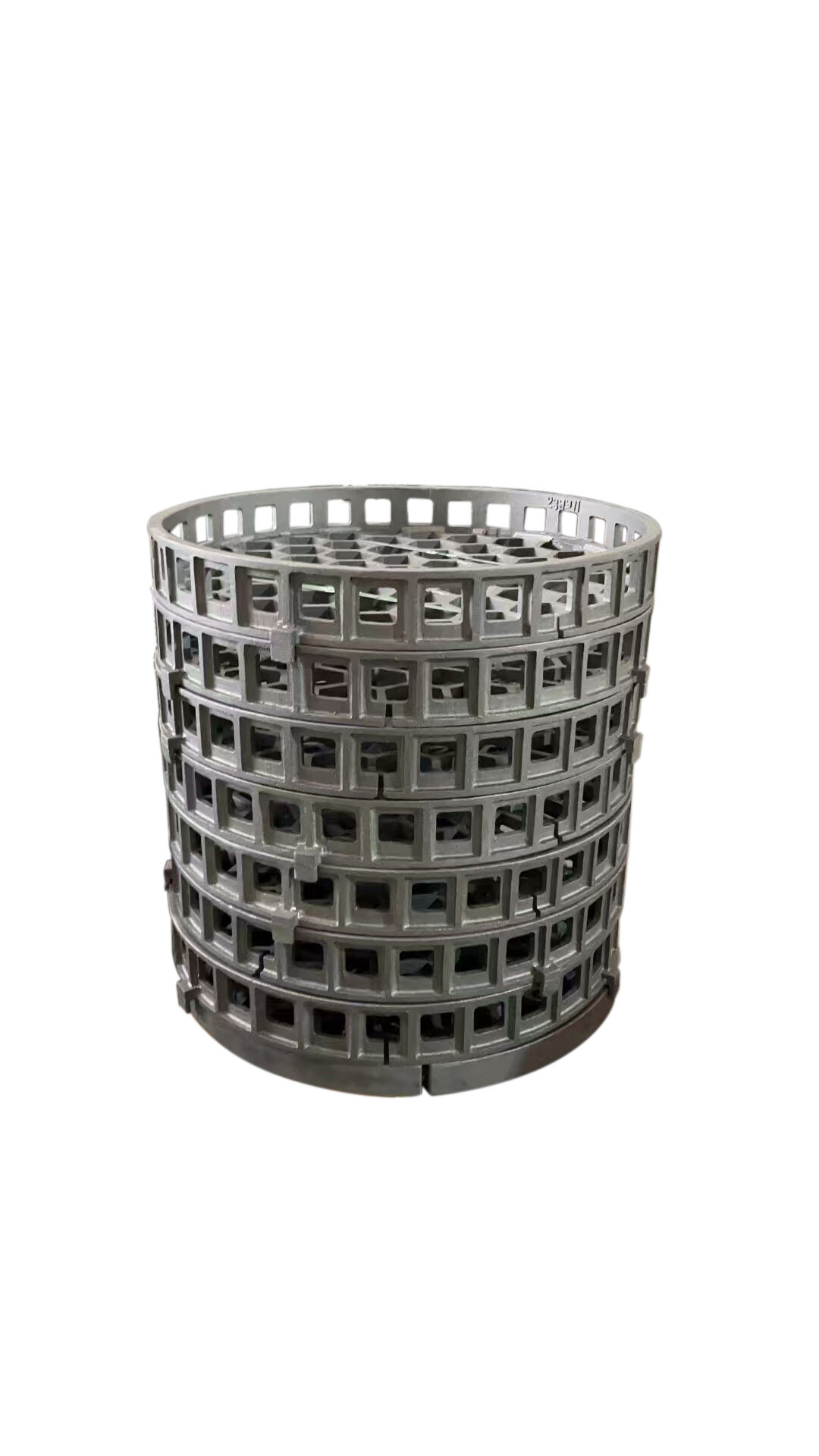
Understanding the financial implications of heat treatment processes is crucial for manufacturing operations seeking to optimize their investment returns. Heat treatment represents a significant cost center in many industrial applications, yet proper implementation can deliver substantial benefits through improved material properties, extended component life, and reduced failure rates. This comprehensive analysis examines the various cost factors, pricing structures, and return on investment considerations that influence heat treatment decisions across different industries.
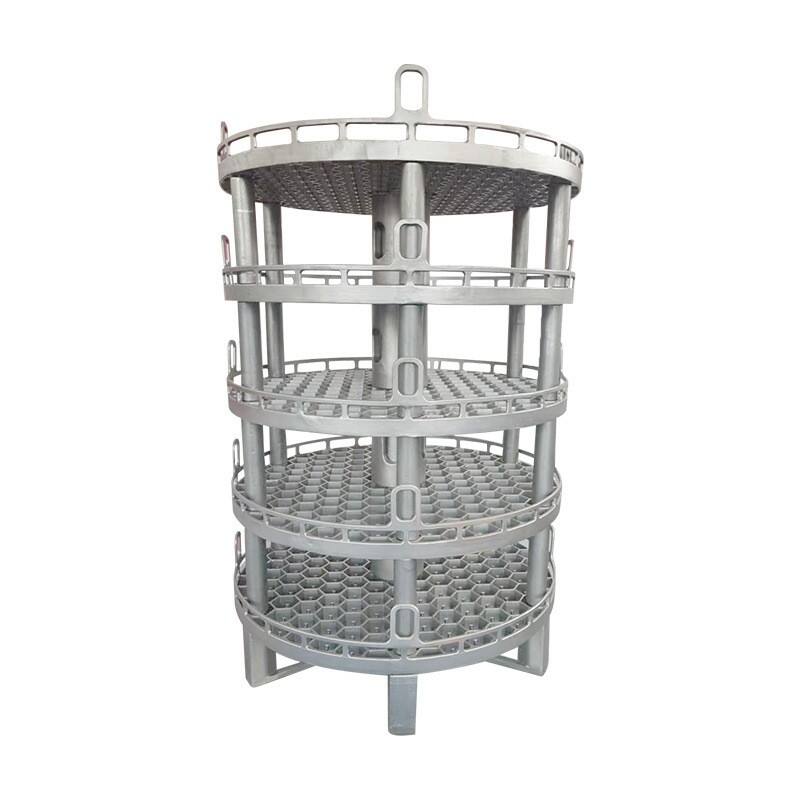
The heat treatment industry encompasses various thermal processing techniques that alter the physical and chemical properties of materials, primarily metals and alloys. These processes include annealing, hardening, tempering, normalizing, and stress relieving, each serving specific purposes in manufacturing workflows. The cost structure for these operations varies significantly based on factors such as material type, component size, processing temperature, cycle time, and required quality certifications.
Initial Investment Considerations
Equipment and Infrastructure Costs
The foundation of any heat treatment operation lies in its equipment and supporting infrastructure. Industrial furnaces represent the largest capital expenditure, with costs ranging from tens of thousands to several million dollars depending on size, temperature capabilities, and automation levels. Vacuum furnaces typically command premium pricing due to their specialized atmosphere control systems and complex mechanical components.
Supporting infrastructure requirements include electrical systems capable of handling high-power loads, cooling water circuits, gas supply systems, and environmental control equipment. These ancillary systems often represent 30-40% of the total installation cost and require careful consideration during project planning phases. Proper facility design ensures efficient heat treatment operations while maintaining compliance with safety and environmental regulations.
Technology Selection Impact
The choice between conventional and advanced heat treatment technologies significantly affects both initial investment and long-term operating costs. Traditional batch furnaces offer lower entry costs but may lack the efficiency and precision of continuous or automated systems. Modern induction heating systems provide excellent energy efficiency and precise temperature control, though they require higher upfront investment.
Automation and control systems add complexity and cost but deliver substantial benefits through improved consistency, reduced labor requirements, and enhanced data collection capabilities. These systems enable real-time monitoring and adjustment of critical process parameters, resulting in higher quality outcomes and reduced reject rates.
Operating Cost Analysis
Energy Consumption Factors
Energy costs typically represent 40-60% of total operating expenses in heat treatment operations. The specific energy consumption depends on process temperature, heating rate, soaking time, and cooling requirements. High-temperature processes naturally consume more energy, but efficient furnace design and insulation can significantly reduce these costs.
Fuel type selection impacts both cost and environmental considerations. Natural gas remains popular due to its cost-effectiveness and clean burning characteristics, while electric heating offers precise control and eliminates combustion byproducts. The choice between fuels depends on local utility costs, environmental regulations, and specific process requirements.
Labor and Operational Expenses
Skilled operators are essential for consistent heat treatment results, and their compensation represents a significant operational cost component. Training requirements vary based on process complexity and quality standards, with certified operators commanding higher wages due to their specialized knowledge and experience.
Maintenance costs must be factored into operational budgets, as heat treatment equipment operates under demanding conditions that accelerate wear and require regular attention. Preventive maintenance programs help minimize unexpected downtime while ensuring consistent process performance and extended equipment life.
Process-Specific Cost Variations
Batch vs Continuous Processing
Batch processing offers flexibility for diverse product mixes but may result in higher per-unit costs due to heating and cooling inefficiencies. Load factors significantly impact batch processing economics, with full furnace utilization essential for cost-effective operations. Partial loads result in proportionally higher energy costs per processed component.
Continuous processing systems provide superior energy efficiency for high-volume production but require consistent feed rates to maintain economic viability. These systems excel in dedicated production environments where standardized components justify the specialized equipment investment.
Atmosphere and Vacuum Processing
Protective atmosphere processing adds complexity and cost through gas consumption, monitoring systems, and safety equipment. Inert gas atmospheres prevent oxidation during processing but require ongoing gas purchases and waste gas handling systems. The cost of protective atmospheres varies with gas type, consumption rates, and local supply costs.
Vacuum processing represents the premium segment of heat treatment operations, offering superior control over processing environment at significantly higher operating costs. Vacuum pumping systems consume substantial energy while requiring specialized maintenance and replacement parts that command premium pricing.
Quality and Certification Costs
Testing and Inspection Requirements
Quality assurance represents a critical cost component in heat treatment operations, particularly for aerospace, automotive, and medical applications. Metallographic examination, hardness testing, and dimensional verification require specialized equipment and trained personnel, adding to overall processing costs.
Non-destructive testing methods such as magnetic particle inspection or ultrasonic examination may be required for critical components. These testing procedures require certified technicians and calibrated equipment, contributing to higher per-unit processing costs but ensuring component reliability and safety.
Certification and Compliance
Industry certifications such as ISO 9001, AS9100, or NADCAP require ongoing investments in documentation systems, training, and audit compliance. These certifications enable access to premium markets but add operational complexity and cost through required procedures and record-keeping systems.
Environmental compliance costs include emissions monitoring, waste disposal, and reporting requirements. Modern heat treatment facilities must invest in pollution control equipment and monitoring systems to meet increasingly stringent environmental regulations.
Return on Investment Calculations
Direct Financial Benefits
Heat treatment investments generate returns through multiple mechanisms including improved product performance, extended service life, and reduced warranty claims. Components with proper thermal processing exhibit enhanced mechanical properties that justify premium pricing and reduce field failures.
Reduced manufacturing costs result from improved machinability, dimensional stability, and consistent material properties. These benefits compound throughout the manufacturing process, reducing scrap rates, tool wear, and secondary processing requirements.
Strategic Value Considerations
Market differentiation through advanced heat treatment capabilities enables access to high-value applications and customer segments. Companies with specialized processing capabilities can command premium pricing while building strong customer relationships based on technical expertise and consistent quality delivery.
Supply chain control through in-house heat treatment capabilities reduces dependency on external suppliers while improving delivery schedules and quality consistency. This strategic advantage becomes particularly valuable during periods of high demand or supply chain disruptions.
Cost Optimization Strategies
Efficiency Improvements
Energy efficiency improvements offer immediate and ongoing cost reductions through reduced utility consumption. Furnace insulation upgrades, recuperative heating systems, and improved temperature control systems provide measurable returns on investment while reducing environmental impact.
Process optimization through better load planning, cycle time reduction, and atmosphere management can significantly improve throughput while reducing per-unit costs. These improvements often require minimal capital investment while delivering substantial operational benefits.
Technology Integration
Advanced process control systems enable optimization of heating profiles, atmosphere composition, and cooling rates to achieve desired properties with minimum energy consumption. These systems provide real-time feedback and adjustment capabilities that improve both quality and efficiency.
Predictive maintenance technologies help minimize unexpected downtime while optimizing maintenance schedules based on actual equipment condition rather than predetermined intervals. These approaches reduce maintenance costs while improving equipment reliability and availability.
Market Pricing Dynamics
Service Provider Pricing Models
Commercial heat treatment service providers typically price their services based on weight, piece count, or processing time. Weight-based pricing suits dense, heavy components while piece-based pricing works better for complex geometries or specialized treatments. Processing time pricing aligns costs with actual furnace utilization and energy consumption.
Premium pricing applies to specialized processes, emergency services, or tight delivery schedules. Service providers invest in advanced capabilities and maintain excess capacity to serve these high-value market segments, justifying higher pricing through superior service levels and technical expertise.
Geographic and Market Factors
Regional pricing variations reflect differences in energy costs, labor rates, and competitive intensity. Areas with high manufacturing concentration often support multiple heat treatment service providers, creating competitive pricing pressure while maintaining technical capabilities.
Market specialization influences pricing structures, with aerospace and medical applications commanding premium rates due to stringent quality requirements and certification costs. Automotive applications typically emphasize cost efficiency while maintaining consistent quality standards.
FAQ
What factors most significantly impact heat treatment costs
Energy consumption represents the largest variable cost component, typically accounting for 40-60% of operating expenses. Process temperature, cycle time, and furnace utilization rates directly influence energy costs. Material handling, labor requirements, and quality testing add additional cost layers that vary based on component complexity and industry requirements.
How do batch and continuous processing costs compare
Batch processing offers lower initial investment but higher per-unit costs due to heating and cooling inefficiencies. Continuous systems require higher capital investment but deliver superior energy efficiency for high-volume production. The crossover point typically occurs at production volumes exceeding 1000 pieces per month for standardized components.
What return on investment can be expected from heat treatment equipment
ROI varies significantly based on application and market segment, with typical payback periods ranging from 2-7 years. High-volume operations serving automotive or industrial markets often achieve faster payback through economies of scale, while specialized aerospace applications may require longer periods but generate higher margins.
How do certification requirements affect processing costs
Industry certifications add 15-30% to operational costs through documentation, testing, and compliance requirements. However, these certifications enable access to premium markets with higher profit margins. The investment in certification typically pays for itself within 12-18 months for companies serving aerospace or medical device markets.