
 EN
EN

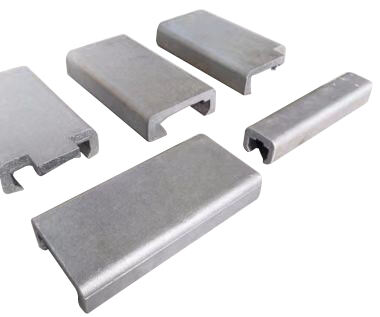
The aerospace industry demands components that meet the highest standards of accuracy, durability, and performance. In this critical sector, precision casting has emerged as a transformative manufacturing technology that enables the production of complex, high-quality parts with exceptional dimensional accuracy and material integrity. This advanced manufacturing process has revolutionized how aerospace components are designed, produced, and integrated into modern aircraft and spacecraft systems.
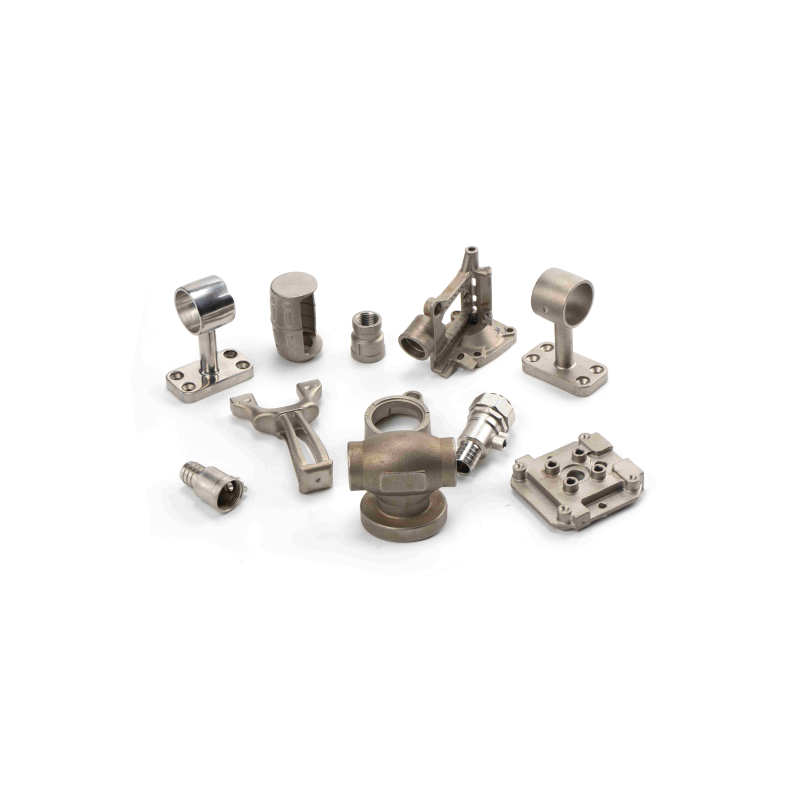
Modern aerospace engineering requires components that can withstand extreme temperatures, pressures, and mechanical stresses while maintaining precise tolerances. Traditional manufacturing methods often fall short of these demanding requirements, leading to increased material waste, longer production times, and higher costs. The adoption of advanced casting technologies has addressed these challenges by providing manufacturers with the ability to create near-net-shape components that require minimal post-processing while maintaining superior mechanical properties.
The evolution of casting techniques specifically tailored for aerospace applications has opened new possibilities for component design and material utilization. Engineers can now develop lighter, stronger parts with complex internal geometries that would be impossible to achieve through conventional machining or forming processes. This technological advancement has become instrumental in meeting the aerospace industry's ongoing pursuit of improved fuel efficiency, reduced emissions, and enhanced performance capabilities.
Advanced Materials and Alloy Systems
Superalloy Applications in Aerospace Components
The aerospace sector heavily relies on superalloys for critical components that must perform reliably under extreme operating conditions. Precision casting enables the production of superalloy parts with consistent microstructures and mechanical properties that are essential for turbine blades, combustor components, and structural elements. These high-performance materials, including nickel-based and cobalt-based alloys, require specialized casting processes that can maintain their unique metallurgical characteristics throughout production.
Investment casting techniques have proven particularly effective for superalloy components, allowing manufacturers to achieve the fine grain structures and directional solidification patterns necessary for optimal performance. The controlled cooling rates and thermal gradients achievable through modern casting systems ensure that superalloy parts maintain their designed properties, including high-temperature strength, corrosion resistance, and fatigue life. This level of material control is crucial for components operating in the harsh environments of jet engines and rocket propulsion systems.
Titanium Alloy Processing and Benefits
Titanium alloys represent another critical material category in aerospace manufacturing, offering exceptional strength-to-weight ratios and corrosion resistance. Precision casting of titanium components requires specialized techniques due to the material's reactive nature and high melting point. Advanced casting facilities utilize vacuum or inert atmosphere environments to prevent contamination and ensure the integrity of titanium parts throughout the production process.
The ability to cast complex titanium components directly to near-net-shape significantly reduces material waste and machining requirements, making these expensive materials more cost-effective for aerospace applications. Modern precision casting processes can achieve the tight tolerances and surface finishes required for titanium aerospace parts while maintaining the material's beneficial properties. This efficiency in titanium processing has enabled wider adoption of these lightweight, high-strength materials in aircraft structures and engine components.
Manufacturing Process Innovations
Investment Casting Technology Advancements
Investment casting, also known as lost-wax casting, has undergone significant technological improvements to meet aerospace industry requirements. Modern investment casting facilities employ computer-controlled systems that precisely manage temperature profiles, cooling rates, and atmospheric conditions throughout the casting process. These automated systems ensure consistent quality and repeatability, which are essential for aerospace components that must meet stringent certification standards.
The development of advanced ceramic shell systems has enhanced the surface finish and dimensional accuracy achievable through investment casting. These improved shell materials can withstand the high temperatures required for superalloy casting while providing the fine surface details necessary for aerospace components. Additionally, advances in wax pattern production, including 3D printing technologies, have enabled the creation of more complex geometries and reduced lead times for prototype and production parts.
Directional Solidification and Single Crystal Growth
Directional solidification techniques represent a specialized form of precision casting that is particularly valuable for aerospace turbine blade production. This process controls the grain structure of cast components by managing the direction of heat extraction during solidification. The resulting directional or single crystal structures provide superior mechanical properties, especially at high temperatures, making them ideal for the most demanding aerospace applications.
Single crystal casting technology eliminates grain boundaries entirely, creating components with exceptional creep resistance and thermal fatigue properties. These characteristics are crucial for turbine blades that operate in the extreme temperature and stress environments of modern jet engines. The precise control over solidification parameters required for single crystal growth demonstrates the advanced capabilities of modern casting facilities and their ability to produce components that push the boundaries of material performance.
Quality Control and Certification Standards
Non-Destructive Testing Methods
The aerospace industry requires comprehensive quality control measures to ensure component reliability and safety. Precision casting facilities employ multiple non-destructive testing methods to verify the integrity of cast parts without compromising their structural properties. These testing techniques include radiographic inspection, ultrasonic testing, fluorescent penetrant inspection, and advanced computed tomography scanning for internal defect detection.
Modern CT scanning technology provides three-dimensional imaging of cast components, allowing quality control personnel to detect internal porosity, inclusions, and dimensional variations with unprecedented accuracy. This level of inspection capability ensures that aerospace components meet the strict quality standards required for flight-critical applications. The integration of automated inspection systems with statistical process control helps maintain consistent quality levels throughout production runs.
Aerospace Certification Requirements
Aerospace manufacturers must comply with rigorous certification standards such as AS9100, NADCAP, and various OEM-specific requirements. These standards govern every aspect of the manufacturing process, from material sourcing and process control to final inspection and documentation. Precision casting facilities serving the aerospace industry must maintain detailed records of all process parameters, material certifications, and quality control results for complete traceability.
The certification process for aerospace casting operations involves regular audits by certification bodies and customer representatives to verify compliance with established standards. This oversight ensures that casting processes remain consistent and capable of producing components that meet or exceed aerospace performance requirements. The investment in certification and quality systems demonstrates the commitment of casting suppliers to maintaining the highest standards of excellence in aerospace component production.
Economic Impact and Cost Efficiency
Material Utilization Optimization
One of the significant advantages of precision casting in aerospace manufacturing is the dramatic improvement in material utilization rates. Traditional machining processes for complex aerospace components can result in material waste rates exceeding 90%, particularly when working with expensive superalloys and titanium materials. Precision casting techniques can achieve near-net-shape production with material utilization rates often exceeding 85%, resulting in substantial cost savings for high-value materials.
The ability to cast complex internal features and geometries eliminates the need for expensive machining operations and assembly processes. Components that would traditionally require multiple machined parts and joining operations can now be produced as single cast pieces, reducing both material costs and labor requirements. This consolidation of manufacturing steps also improves component reliability by eliminating potential failure points associated with joints and welds.
Production Scalability and Lead Time Reduction
Modern precision casting facilities can scale production efficiently to meet varying aerospace demand levels while maintaining consistent quality standards. The use of automated systems and advanced process control enables rapid adjustment of production parameters without compromising component quality. This flexibility is particularly valuable in the aerospace industry, where production volumes can vary significantly based on aircraft delivery schedules and market conditions.
Advanced casting technologies have also significantly reduced lead times for aerospace components, particularly for complex parts that would traditionally require extensive machining operations. The ability to produce near-net-shape components directly from the casting process eliminates multiple manufacturing steps and reduces overall production time. This efficiency improvement helps aerospace manufacturers respond more quickly to market demands and maintain competitive delivery schedules.
Future Technological Developments
Additive Manufacturing Integration
The integration of additive manufacturing technologies with traditional precision casting processes represents an exciting frontier in aerospace component production. 3D printing techniques are being used to create complex wax patterns and ceramic cores that enable the casting of geometries previously impossible to achieve. This hybrid approach combines the design freedom of additive manufacturing with the material properties and surface finish capabilities of precision casting.
Advanced additive manufacturing techniques are also being developed for direct metal casting applications, where 3D printed sand molds and cores enable rapid prototyping and small-batch production of aerospace components. These technologies offer significant advantages for custom components and rapid design iterations, allowing aerospace engineers to explore new concepts and optimize designs more efficiently than traditional methods would permit.
Artificial Intelligence and Process Optimization
The implementation of artificial intelligence and machine learning technologies in precision casting operations is transforming how aerospace components are produced and quality controlled. AI systems can analyze vast amounts of process data to identify optimal casting parameters, predict potential defects, and recommend process adjustments in real-time. This intelligent process control enables consistent production of high-quality components while minimizing waste and reducing production costs.
Predictive maintenance systems powered by AI help casting facilities maintain equipment reliability and minimize unplanned downtime. By analyzing equipment performance data and identifying early warning signs of potential failures, these systems enable proactive maintenance scheduling that ensures continuous production capability. This reliability is crucial for aerospace suppliers who must meet strict delivery commitments and maintain certification compliance.
FAQ
What makes precision casting superior to traditional machining for aerospace parts
Precision casting offers several advantages over traditional machining for aerospace components, including superior material utilization rates, the ability to create complex internal geometries, and near-net-shape production that requires minimal post-processing. The process also maintains favorable grain structures in cast materials that can enhance mechanical properties, particularly important for high-stress aerospace applications where component reliability is critical.
How do quality control standards differ between aerospace and other industries
Aerospace quality control standards are significantly more stringent than most other industries due to safety-critical applications and regulatory requirements. Aerospace casting operations must comply with standards such as AS9100 and NADCAP, which require comprehensive documentation, traceability, and testing protocols. Every component must be traceable from raw material source through final inspection, with detailed records maintained for the entire component lifecycle.
What are the typical lead times for precision cast aerospace components
Lead times for precision cast aerospace components vary depending on complexity, material requirements, and certification needs, but typically range from 8-16 weeks for standard production parts. New part development or first-time certifications may require additional time for tooling development, process validation, and customer approval processes. However, precision casting generally offers shorter lead times than equivalent machined components due to reduced manufacturing steps.
Which aerospace applications benefit most from precision casting technology
Precision casting provides the greatest benefits for complex, high-value aerospace components such as turbine blades, structural brackets, engine casings, and landing gear components. Applications requiring superior material properties, complex geometries, or expensive materials like superalloys and titanium alloys particularly benefit from the near-net-shape capabilities and material efficiency of modern casting processes. The technology is especially valuable where traditional machining would be cost-prohibitive or technically challenging.
Table of Contents
- Advanced Materials and Alloy Systems
- Manufacturing Process Innovations
- Quality Control and Certification Standards
- Economic Impact and Cost Efficiency
- Future Technological Developments
-
FAQ
- What makes precision casting superior to traditional machining for aerospace parts
- How do quality control standards differ between aerospace and other industries
- What are the typical lead times for precision cast aerospace components
- Which aerospace applications benefit most from precision casting technology