
 EN
EN

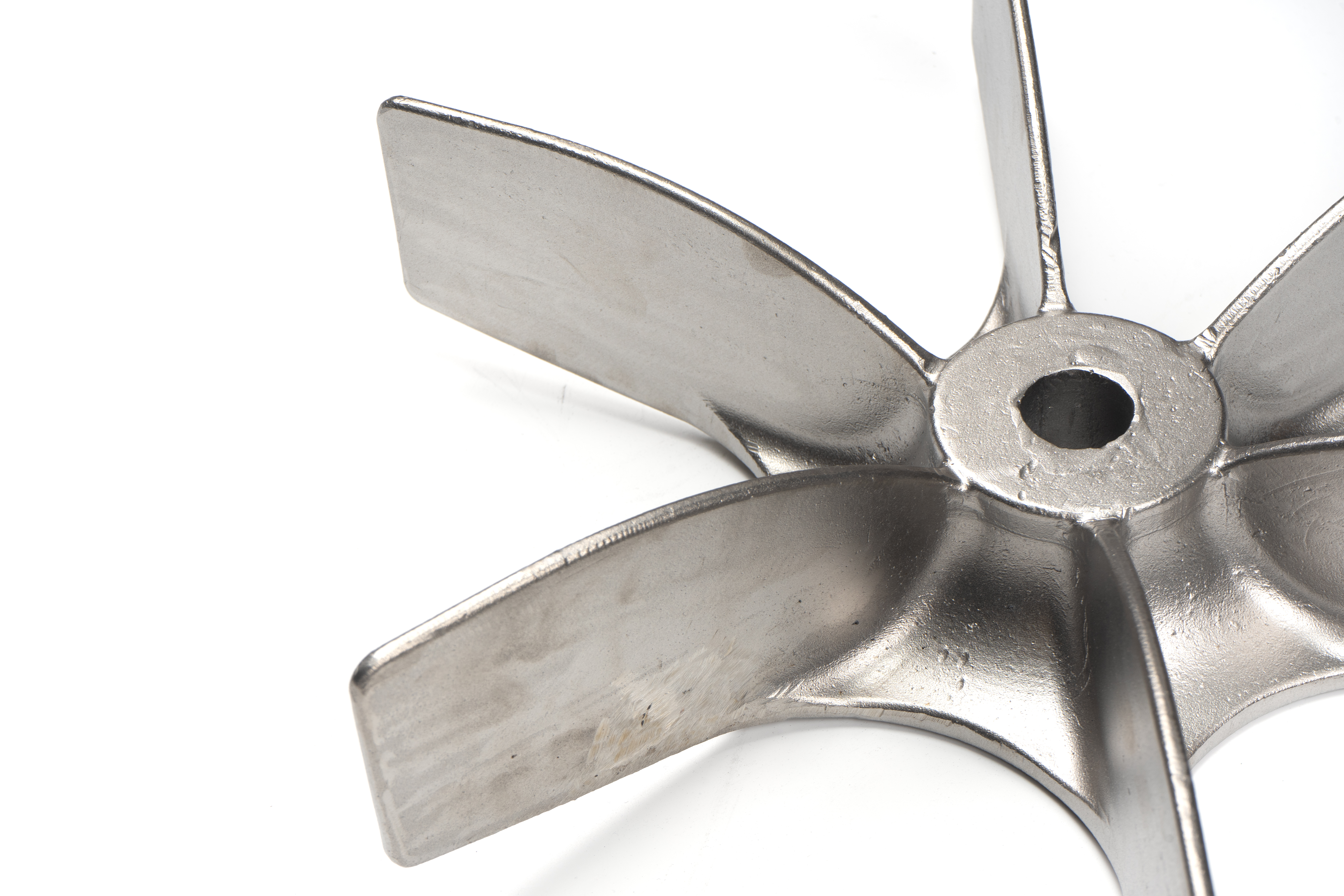
Modern manufacturing industries increasingly rely on advanced production methods to reduce costs while maintaining superior quality standards. Among these innovative approaches, precision casting stands out as a transformative technology that delivers exceptional value across multiple sectors. This manufacturing process enables companies to produce complex components with minimal material waste, reduced machining requirements, and enhanced dimensional accuracy. The economic advantages of implementing precision casting technology extend far beyond initial production costs, creating substantial long-term savings for businesses seeking competitive manufacturing solutions.
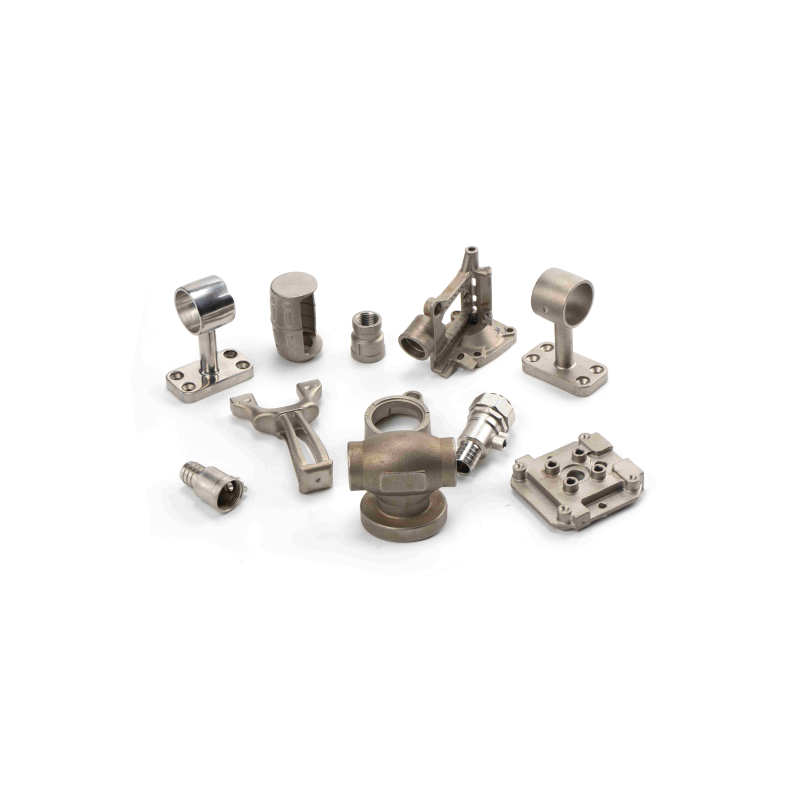
Understanding Precision Casting Technology
Core Principles of Advanced Casting Methods
Precision casting represents a sophisticated manufacturing technique that produces near-net-shape components with exceptional dimensional accuracy and surface finish quality. This process utilizes specialized molds and controlled solidification parameters to create intricate geometries that would be difficult or impossible to achieve through conventional machining methods. The technology encompasses various casting processes including investment casting, die casting, and centrifugal casting, each optimized for specific applications and material requirements.
The fundamental advantage of precision casting lies in its ability to produce complex internal passages, undercuts, and thin-walled sections while maintaining tight tolerances throughout the component. Advanced computer modeling and simulation software enable engineers to optimize casting designs before production, eliminating potential defects and ensuring consistent quality. This predictive capability significantly reduces development time and associated costs compared to traditional trial-and-error approaches.
Material Efficiency and Waste Reduction
One of the most significant cost-saving aspects of precision casting technology involves its superior material utilization rates. Unlike subtractive manufacturing processes that remove substantial amounts of material through machining, precision casting creates components very close to their final dimensions. This near-net-shape capability typically achieves material utilization rates exceeding 90%, compared to traditional machining processes that may waste 60-80% of raw material.
The reduced material waste translates directly into lower raw material costs, particularly important when working with expensive alloys or specialty metals. Additionally, the minimal scrap generation reduces disposal costs and environmental impact, aligning with sustainable manufacturing practices that many companies prioritize. Recycling capabilities within precision casting operations further enhance material efficiency by allowing foundries to reprocess unused metal directly back into production cycles.
Economic Advantages of Implementation
Reduced Machining Requirements
Traditional manufacturing approaches often require extensive machining operations to achieve final component specifications, involving multiple setups, specialized tooling, and significant labor hours. Precision casting dramatically reduces these secondary operations by producing components with finished surfaces and accurate dimensions directly from the casting process. This reduction in machining requirements eliminates numerous production steps, reducing both processing time and associated costs.
The elimination of complex machining operations also reduces tooling costs, as specialized cutting tools, fixtures, and jigs become unnecessary for many features. Tool wear and replacement expenses decrease substantially when components require minimal finishing operations. Labor costs decrease proportionally as skilled machinists spend less time on each component, allowing production capacity to increase without additional personnel investment.
Enhanced Design Flexibility and Integration
Precision casting enables designers to consolidate multiple machined components into single cast parts, reducing assembly requirements and associated labor costs. Complex internal cooling passages, integral mounting features, and intricate external geometries can be incorporated directly into cast components without additional manufacturing steps. This design integration capability eliminates numerous fasteners, welds, and assembly operations that would otherwise be required.
The ability to create precision casting components with integrated features reduces inventory complexity and associated carrying costs. Fewer individual parts mean reduced purchasing, receiving, and storage requirements throughout the supply chain. Quality control becomes more straightforward when dealing with consolidated components rather than multiple assembled pieces, reducing inspection time and potential warranty issues.
Long-Term Financial Benefits
Improved Product Durability and Performance
Components produced through precision casting typically exhibit superior mechanical properties compared to assembled alternatives due to their monolithic structure and optimized material distribution. The absence of joints, welds, or mechanical fasteners eliminates potential failure points that could lead to costly warranty claims or field failures. Enhanced durability translates into longer service life and reduced maintenance requirements for end users.
The superior surface finish achievable through precision casting reduces friction and wear in moving components, extending operational life and reducing maintenance intervals. Smooth internal passages in fluid handling applications minimize pressure losses and improve efficiency, providing ongoing operational savings throughout the component's service life. These performance improvements enhance customer satisfaction and potentially support premium pricing strategies.
Scalability and Production Efficiency
Precision casting operations demonstrate excellent scalability characteristics, allowing manufacturers to increase production volumes without proportional increases in labor or equipment costs. Once optimized, casting processes can operate with minimal supervision, enabling lights-out production capabilities that maximize equipment utilization. Automated handling systems and robotic finishing operations further enhance productivity while maintaining consistent quality standards.
The repeatability inherent in precision casting processes reduces quality variations and associated rework costs. Statistical process control implementation becomes more effective when working with stable, predictable manufacturing methods. Reduced quality variations translate into lower inspection costs and fewer customer complaints, protecting brand reputation and reducing warranty expenses.
Industry Applications and Case Studies
Aerospace and Defense Applications
The aerospace industry has extensively adopted precision casting technology for producing critical components where weight reduction and performance optimization are paramount. Turbine blades, structural brackets, and complex housings manufactured through precision casting deliver substantial weight savings compared to machined alternatives while maintaining required strength characteristics. These weight reductions translate directly into fuel savings and improved aircraft performance throughout operational life.
Defense applications particularly benefit from the design flexibility offered by precision casting, enabling the production of specialized components with integrated features that would be prohibitively expensive to machine. The ability to produce low-volume, high-complexity parts cost-effectively makes precision casting ideal for specialized military equipment where conventional manufacturing methods would be economically unfeasible.
Automotive and Industrial Equipment
Automotive manufacturers leverage precision casting technology to produce engine components, transmission housings, and suspension elements that combine complex internal passages with precise external mounting surfaces. The near-net-shape capability eliminates extensive machining operations while achieving the tight tolerances required for modern automotive applications. This manufacturing approach supports the industry's ongoing efforts to reduce vehicle weight and improve fuel efficiency.
Industrial equipment manufacturers utilize precision casting for producing pump housings, valve bodies, and hydraulic components that require intricate internal geometries and smooth flow passages. The superior surface finish achievable through precision casting improves fluid dynamics and reduces energy consumption in hydraulic systems. These efficiency improvements provide ongoing operational benefits that justify the initial investment in precision casting technology.
Implementation Considerations and Best Practices
Technology Selection and Process Optimization
Successful implementation of precision casting technology requires careful selection of appropriate casting methods based on component requirements, production volumes, and material specifications. Investment casting excels for complex geometries and superior surface finish, while die casting provides excellent dimensional accuracy for high-volume production. Centrifugal casting offers advantages for cylindrical components requiring superior mechanical properties.
Process optimization involves collaborative design efforts between casting engineers and product designers to maximize the benefits of precision casting capabilities. Early involvement of casting expertise during product development ensures optimal component designs that fully leverage the technology's advantages. Computer simulation and modeling tools enable virtual optimization before physical production, reducing development time and costs.
Quality Control and Continuous Improvement
Effective quality control systems are essential for realizing the full cost-saving potential of precision casting technology. Advanced inspection techniques including coordinate measuring machines, X-ray inspection, and automated visual systems ensure consistent quality while minimizing inspection time. Statistical process control implementation enables proactive quality management and continuous improvement initiatives.
Continuous improvement programs focus on optimizing casting parameters, improving yield rates, and reducing cycle times. Regular analysis of production data identifies opportunities for further cost reduction and quality enhancement. Employee training programs ensure that operators understand the critical factors affecting casting quality and can make appropriate adjustments to maintain optimal performance.
FAQ
What are the primary cost advantages of precision casting over traditional machining?
Precision casting offers several key cost advantages including superior material utilization rates exceeding 90%, reduced machining requirements, elimination of complex tooling, and lower labor costs per component. The near-net-shape capability minimizes material waste while producing components with finished surfaces and accurate dimensions directly from the casting process, substantially reducing secondary operations and associated costs.
How does precision casting improve product durability and reduce long-term costs?
Components produced through precision casting exhibit superior mechanical properties due to their monolithic structure and optimized material distribution. The absence of joints, welds, or mechanical fasteners eliminates potential failure points, while superior surface finish reduces friction and wear. These characteristics result in longer service life, reduced maintenance requirements, and fewer warranty claims, providing substantial long-term cost savings.
What industries benefit most from implementing precision casting technology?
Aerospace, automotive, defense, and industrial equipment industries derive the greatest benefits from precision casting technology. These sectors require complex components with tight tolerances, integrated features, and superior performance characteristics that precision casting can deliver cost-effectively. The technology is particularly valuable for applications where weight reduction, design consolidation, and performance optimization are critical requirements.
How does precision casting support scalable production and operational efficiency?
Precision casting operations demonstrate excellent scalability characteristics, allowing manufacturers to increase production volumes without proportional increases in labor or equipment costs. The process repeatability reduces quality variations and rework costs while enabling automated production capabilities. Statistical process control implementation becomes more effective with stable casting processes, resulting in lower inspection costs and improved overall equipment effectiveness.
Table of Contents
- Understanding Precision Casting Technology
- Economic Advantages of Implementation
- Long-Term Financial Benefits
- Industry Applications and Case Studies
- Implementation Considerations and Best Practices
-
FAQ
- What are the primary cost advantages of precision casting over traditional machining?
- How does precision casting improve product durability and reduce long-term costs?
- What industries benefit most from implementing precision casting technology?
- How does precision casting support scalable production and operational efficiency?