
 EN
EN

Modern manufacturing demands exceptional accuracy and consistency in component production, driving industries toward advanced fabrication techniques that deliver superior results. Precision casting has emerged as a cornerstone technology for creating complex metal components with tight tolerances and excellent surface finishes. This sophisticated manufacturing process enables the production of intricate parts that would be challenging or impossible to achieve through traditional machining methods, making it indispensable across aerospace, automotive, medical device, and industrial equipment sectors.
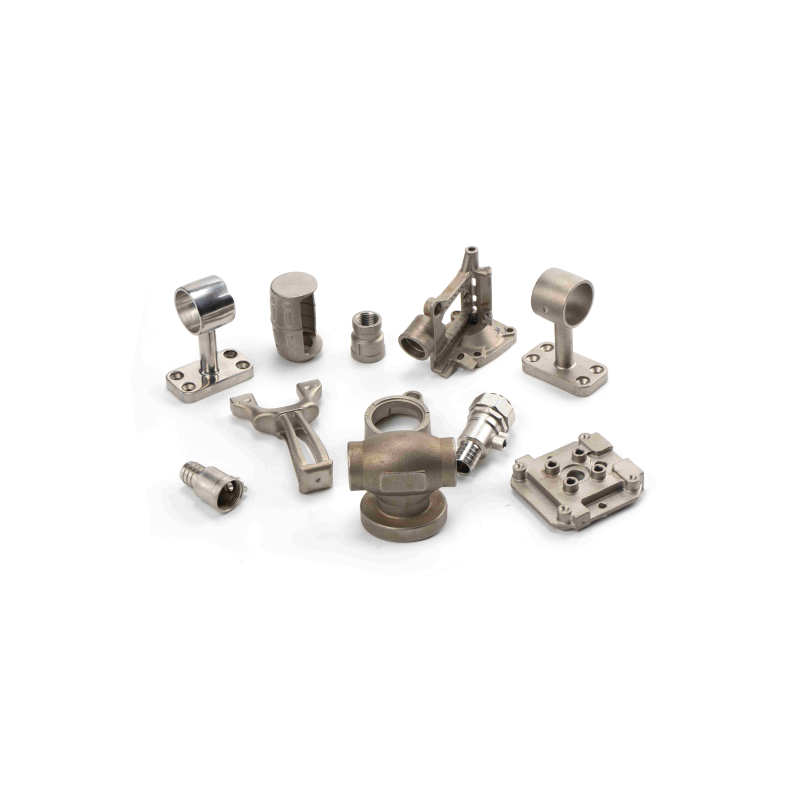
The selection of appropriate materials represents a critical decision point that directly impacts the performance, durability, and cost-effectiveness of the final product. Engineers and procurement specialists must navigate a complex landscape of alloy compositions, material properties, and processing characteristics to optimize their precision casting applications. Understanding the fundamental principles behind material selection empowers manufacturers to make informed decisions that enhance product quality while maintaining competitive pricing and delivery schedules.
Fundamental Properties of Casting Alloys
Mechanical Strength Characteristics
The mechanical properties of precision casting materials form the foundation for successful component performance under operational stresses. Tensile strength, yield strength, and elongation values must align with the specific load requirements and safety factors demanded by the application. High-strength alloys like stainless steel grades and specialized superalloys offer exceptional resistance to mechanical failure, making them ideal for critical components in harsh environments.
Fatigue resistance becomes particularly crucial for components subjected to cyclic loading conditions, where repeated stress cycles can lead to crack initiation and propagation over time. Advanced precision casting alloys incorporate specific alloying elements that enhance fatigue life through grain refinement and precipitation hardening mechanisms. The careful balance of strength and ductility ensures that components can withstand both static and dynamic loading without premature failure.
Impact toughness represents another vital consideration, especially for components that may experience sudden loading or shock conditions during operation. Materials with high impact resistance maintain their structural integrity even when subjected to unexpected forces, providing an additional safety margin in critical applications. The optimization of these mechanical properties requires careful consideration of heat treatment processes and alloy chemistry to achieve the desired performance characteristics.
Thermal and Chemical Stability
Temperature stability plays a crucial role in material selection for precision casting applications, particularly in high-temperature environments where thermal cycling and oxidation resistance become paramount concerns. Superalloys and specialized heat-resistant materials maintain their mechanical properties at elevated temperatures while resisting degradation from thermal stress and environmental exposure. The coefficient of thermal expansion must also be considered to prevent dimensional instability during temperature fluctuations.
Chemical resistance encompasses corrosion resistance, oxidation resistance, and compatibility with various process fluids and atmospheric conditions. Stainless steel alloys offer excellent corrosion resistance through passive film formation, while specialized coatings and surface treatments can further enhance chemical stability. The selection of appropriate materials prevents premature degradation and extends component service life, reducing maintenance costs and improving operational reliability.
Environmental compatibility extends beyond basic corrosion resistance to include factors such as galvanic compatibility with mating components, resistance to specific chemicals or process fluids, and long-term stability under varying atmospheric conditions. Understanding these requirements ensures that precision casting materials perform reliably throughout their intended service life without unexpected degradation or compatibility issues.
Advanced Alloy Systems for Precision Applications
Stainless Steel Variants
Stainless steel alloys represent one of the most versatile and widely used material families in precision casting applications due to their excellent combination of strength, corrosion resistance, and workability. Austenitic grades such as 316 and 317 provide superior corrosion resistance and maintain their properties across a wide temperature range, making them ideal for food processing, chemical handling, and marine applications. The non-magnetic properties of certain austenitic grades also make them suitable for specialized electronic and magnetic applications.
Martensitic stainless steels offer higher strength levels and excellent wear resistance when properly heat treated, making them valuable for cutting tools, valve components, and high-stress mechanical parts. The ability to achieve hardness levels exceeding 50 HRC through appropriate heat treatment makes these alloys competitive with traditional tool steels while maintaining enhanced corrosion resistance. Precision casting techniques enable the production of complex geometries that would be difficult to machine from solid bar stock.
Duplex stainless steels combine the advantages of austenitic and ferritic microstructures, providing enhanced strength and stress corrosion cracking resistance compared to conventional austenitic grades. These alloys excel in aggressive environments such as offshore oil and gas applications, chemical processing, and pulp and paper industries where both mechanical performance and corrosion resistance are critical requirements.
Specialty Superalloys
Nickel-based superalloys represent the pinnacle of high-temperature performance materials, maintaining exceptional strength and oxidation resistance at temperatures exceeding 1000°C. Alloys such as Inconel 718 and Waspaloy provide the thermal stability required for gas turbine components, aerospace applications, and high-temperature industrial processes. The precision casting process enables the creation of complex cooling passages and intricate geometries that maximize heat transfer efficiency while maintaining structural integrity.
Cobalt-based superalloys offer unique advantages in wear-resistant applications and biomedical implants due to their excellent biocompatibility and resistance to fretting corrosion. Stellite alloys provide outstanding wear resistance in high-temperature sliding contact applications, making them valuable for valve seats, cutting tools, and wear plates in industrial equipment. The precision casting process allows for the integration of wear-resistant surfaces with structural components in a single manufacturing step.
Iron-based superalloys bridge the gap between conventional steels and exotic nickel-based alloys, providing enhanced high-temperature performance at lower material costs. These alloys find applications in automotive turbocharger components, exhaust system parts, and industrial furnace equipment where moderate temperature resistance and cost-effectiveness are primary considerations.
Material Selection Criteria and Decision Framework
Performance Requirements Analysis
The systematic evaluation of performance requirements begins with a comprehensive analysis of the operating environment, including temperature ranges, stress levels, chemical exposure, and fatigue conditions. Each application presents unique challenges that must be addressed through careful material selection and design optimization. Load analysis involves determining both static and dynamic stress conditions, including safety factors and potential overload scenarios that the component may encounter during service.
Environmental factors encompass temperature extremes, humidity levels, chemical exposure, and atmospheric conditions that may affect material performance over time. Precision casting materials must maintain their properties throughout the expected service life while resisting degradation from environmental exposure. The interaction between mechanical loads and environmental conditions often creates synergistic effects that require careful consideration during material selection.
Design constraints such as weight limitations, dimensional tolerances, and geometric complexity influence material choices and processing parameters. Lightweight applications may favor aluminum or titanium alloys despite higher material costs, while applications requiring maximum strength may justify the use of advanced superalloys. The precision casting process offers unique advantages in producing complex shapes with excellent dimensional accuracy, reducing the need for secondary machining operations.
Economic and Manufacturing Considerations
Material costs represent a significant factor in precision casting projects, requiring careful balance between performance requirements and economic constraints. Raw material prices fluctuate based on alloy composition, market availability, and global supply chain conditions. Life cycle cost analysis must consider not only initial material costs but also processing expenses, secondary operations, and long-term maintenance requirements to determine the most cost-effective solution.
Manufacturing feasibility involves evaluating the castability of different alloys, including factors such as fluidity, shrinkage characteristics, and hot tearing susceptibility. Some high-performance alloys require specialized melting equipment, protective atmospheres, or advanced gating systems to achieve acceptable casting quality. The precision casting process parameters must be optimized for each specific alloy to ensure consistent results and minimize defect rates.
Production volume considerations affect material selection decisions, as high-volume applications may justify the use of more expensive alloys or specialized processing techniques that provide long-term cost advantages. Low-volume or prototype applications may favor more readily available materials with established processing parameters, even if they represent a performance compromise compared to optimal material choices.
Processing Techniques and Quality Control
Advanced Melting and Pouring Methods
Modern precision casting operations employ sophisticated melting techniques to ensure consistent alloy chemistry and minimize contamination throughout the casting process. Vacuum induction melting provides superior control over alloy composition while eliminating atmospheric contamination that can compromise material properties. This technique proves particularly valuable for reactive alloys and superalloys that require precise control of trace elements and interstitial content.
Protective atmosphere processing prevents oxidation and reduces gas porosity in sensitive alloys, improving mechanical properties and surface finish quality. Argon and nitrogen atmospheres provide effective protection for most precision casting applications, while specialized gas mixtures may be required for particularly reactive materials. Temperature control during melting and pouring operations ensures optimal fluidity and minimizes thermal shock effects that can lead to casting defects.
Advanced pouring techniques such as bottom pouring and tilt pouring systems minimize turbulence and reduce inclusion formation during mold filling. These methods prove particularly beneficial for thin-walled castings and complex geometries where smooth metal flow is critical for achieving acceptable surface finish and dimensional accuracy. Automated pouring systems provide consistent results and reduce variability associated with manual operations.
Heat Treatment and Post-Processing
Heat treatment processes play a crucial role in developing the final mechanical properties of precision casting materials, requiring careful control of time, temperature, and cooling rates to achieve desired microstructures. Solution annealing, aging treatments, and stress relief operations must be tailored to specific alloy compositions and component geometries to optimize performance characteristics. Advanced heat treatment equipment with precise atmosphere control and temperature uniformity ensures consistent results across production batches.
Surface finishing operations enhance both aesthetic appearance and functional performance of precision cast components. Techniques such as shot peening, vibratory finishing, and chemical passivation improve surface integrity while removing casting artifacts and oxidation products. The selection of appropriate finishing methods depends on material composition, surface texture requirements, and subsequent processing steps.
Quality control measures throughout the precision casting process ensure that finished components meet specification requirements and performance expectations. Non-destructive testing methods such as radiographic inspection, dye penetrant testing, and dimensional measurement verify casting integrity and conformance to design requirements. Statistical process control techniques help identify trends and optimize processing parameters for consistent quality delivery.
Industry Applications and Case Studies
Aerospace and Defense Applications
The aerospace industry represents one of the most demanding applications for precision casting materials, requiring exceptional performance under extreme conditions while maintaining strict weight limitations. Turbine engine components such as impellers, housings, and structural brackets must withstand high temperatures, corrosive environments, and cyclic stress conditions throughout their service life. Superalloys and titanium-based materials provide the necessary combination of strength, temperature resistance, and corrosion protection required for these critical applications.
Military and defense applications often require materials that can perform reliably under combat conditions, including exposure to extreme temperatures, chemical agents, and mechanical shock. Precision casting enables the production of complex weapon system components, armor elements, and electronic housings with integrated features that would be difficult or impossible to achieve through conventional manufacturing methods. The ability to incorporate cooling passages, mounting features, and complex internal geometries in a single casting operation provides significant advantages in weight reduction and performance optimization.
Space exploration applications demand materials that can function reliably in the vacuum of space while withstanding temperature extremes and radiation exposure. Precision cast components for spacecraft systems must meet stringent outgassing requirements while providing long-term reliability without maintenance opportunities. Advanced materials and specialized processing techniques ensure that these critical components perform flawlessly throughout extended mission durations.
Medical and Biomedical Devices
Medical device applications require precision casting materials that demonstrate excellent biocompatibility while providing the mechanical properties necessary for long-term implantation or repeated sterilization cycles. Stainless steel alloys such as 316LVM and specialized cobalt-chromium alloys offer the corrosion resistance and biocompatibility required for orthopedic implants, surgical instruments, and dental components. The precision casting process enables the creation of patient-specific geometries and complex internal features that optimize biological integration and functional performance.
Surgical instrument manufacturing benefits from precision casting techniques that produce complex geometries with excellent surface finish and dimensional accuracy. Instruments requiring sharp edges, intricate mechanisms, and ergonomic handling features can be produced more cost-effectively through casting compared to traditional machining operations. The ability to incorporate multiple features in a single casting reduces assembly requirements and improves overall reliability.
Diagnostic equipment and medical device housings require materials that provide electromagnetic shielding, chemical resistance, and dimensional stability under varying environmental conditions. Precision casting materials and processes can be optimized to meet these diverse requirements while maintaining cost-effectiveness for both high-volume production and specialized applications.
Future Trends and Emerging Technologies
Advanced Material Development
The development of new alloy systems continues to push the boundaries of precision casting capabilities, with researchers focusing on enhanced performance characteristics and improved processing efficiency. Nanostructured materials and grain-refined alloys offer the potential for superior mechanical properties while maintaining excellent castability. Advanced computational modeling techniques enable the design of optimized alloy compositions that balance multiple performance requirements while minimizing material costs.
Additive manufacturing integration with precision casting processes opens new possibilities for hybrid manufacturing approaches that combine the advantages of both technologies. Complex internal geometries can be created through additive manufacturing techniques, while precision casting provides the surface finish and mechanical properties required for finished components. This hybrid approach enables the production of parts with previously impossible feature combinations and performance characteristics.
Smart materials and shape memory alloys represent emerging opportunities for precision casting applications in adaptive systems and self-actuating mechanisms. These materials can change their properties in response to environmental conditions, enabling the creation of components that automatically adjust their behavior based on operational requirements. Precision casting techniques provide the manufacturing capability necessary to produce complex smart material components with integrated functionality.
Sustainability and Environmental Considerations
Environmental sustainability has become increasingly important in precision casting operations, driving the development of more efficient processes and recyclable materials. Closed-loop recycling systems enable the reuse of casting materials while maintaining quality standards, reducing both material costs and environmental impact. Advanced melting techniques and energy-efficient equipment minimize the carbon footprint of precision casting operations while improving economic competitiveness.
Bio-based binder systems and environmentally friendly processing chemicals reduce the environmental impact of precision casting operations while maintaining product quality and worker safety. Water-based systems and low-emission materials provide alternatives to traditional solvent-based processes, supporting compliance with increasingly stringent environmental regulations. These developments enable precision casting operations to meet sustainability goals while maintaining competitive manufacturing costs.
Life cycle assessment techniques help manufacturers evaluate the total environmental impact of precision casting materials and processes, from raw material extraction through end-of-life disposal or recycling. This comprehensive approach enables informed decision-making that considers both immediate performance requirements and long-term environmental consequences, supporting the development of more sustainable manufacturing practices.
FAQ
What factors should be considered when selecting materials for precision casting applications
Material selection for precision casting requires careful evaluation of mechanical properties, environmental resistance, cost constraints, and manufacturing feasibility. Key factors include tensile strength, corrosion resistance, temperature stability, and compatibility with the intended operating environment. The casting process must also be considered, as some alloys require specialized equipment or processing techniques to achieve acceptable quality levels.
How do different alloy compositions affect casting quality and performance
Alloy composition directly influences casting characteristics such as fluidity, shrinkage behavior, and solidification patterns. Elements like silicon and phosphorus improve fluidity but may reduce mechanical properties, while alloying additions like chromium and nickel enhance corrosion resistance but can affect castability. Proper alloy selection balances casting performance with final component requirements to optimize both manufacturing efficiency and product performance.
What quality control measures ensure consistent precision casting results
Comprehensive quality control for precision casting includes chemical analysis of incoming materials, process monitoring during melting and pouring, and final inspection of completed components. Non-destructive testing methods such as radiographic inspection and dye penetrant testing verify casting integrity, while dimensional measurement ensures conformance to design specifications. Statistical process control techniques help maintain consistency across production batches and identify opportunities for process improvement.
How do emerging technologies impact precision casting material selection
Advanced computational modeling, additive manufacturing integration, and smart material development are transforming precision casting material selection and processing capabilities. These technologies enable the design of optimized alloy compositions, creation of complex geometries previously impossible to manufacture, and development of adaptive components with variable properties. Environmental considerations and sustainability requirements also drive the adoption of more efficient processes and recyclable materials in precision casting operations.
Table of Contents
- Fundamental Properties of Casting Alloys
- Advanced Alloy Systems for Precision Applications
- Material Selection Criteria and Decision Framework
- Processing Techniques and Quality Control
- Industry Applications and Case Studies
- Future Trends and Emerging Technologies
-
FAQ
- What factors should be considered when selecting materials for precision casting applications
- How do different alloy compositions affect casting quality and performance
- What quality control measures ensure consistent precision casting results
- How do emerging technologies impact precision casting material selection