
 EN
EN

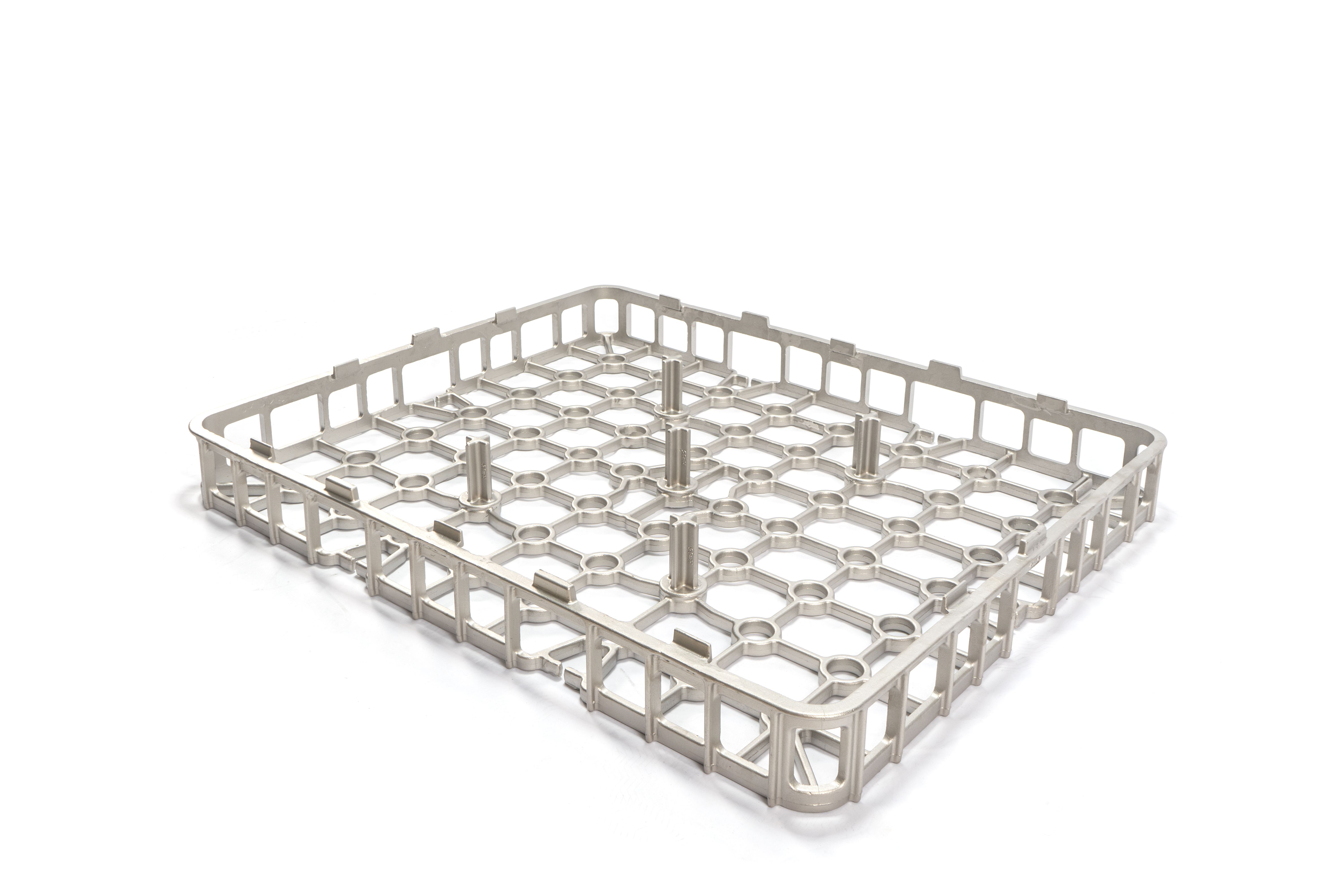
Metal manufacturing has undergone significant evolution in recent decades, with heat treatment emerging as one of the most critical processes for achieving desired material properties. This comprehensive approach to modifying metal characteristics through controlled heating and cooling cycles has become indispensable across industries ranging from aerospace to automotive manufacturing. Understanding the fundamentals and advanced applications of heat treatment is essential for manufacturers seeking to optimize their production processes and deliver superior products to their customers.
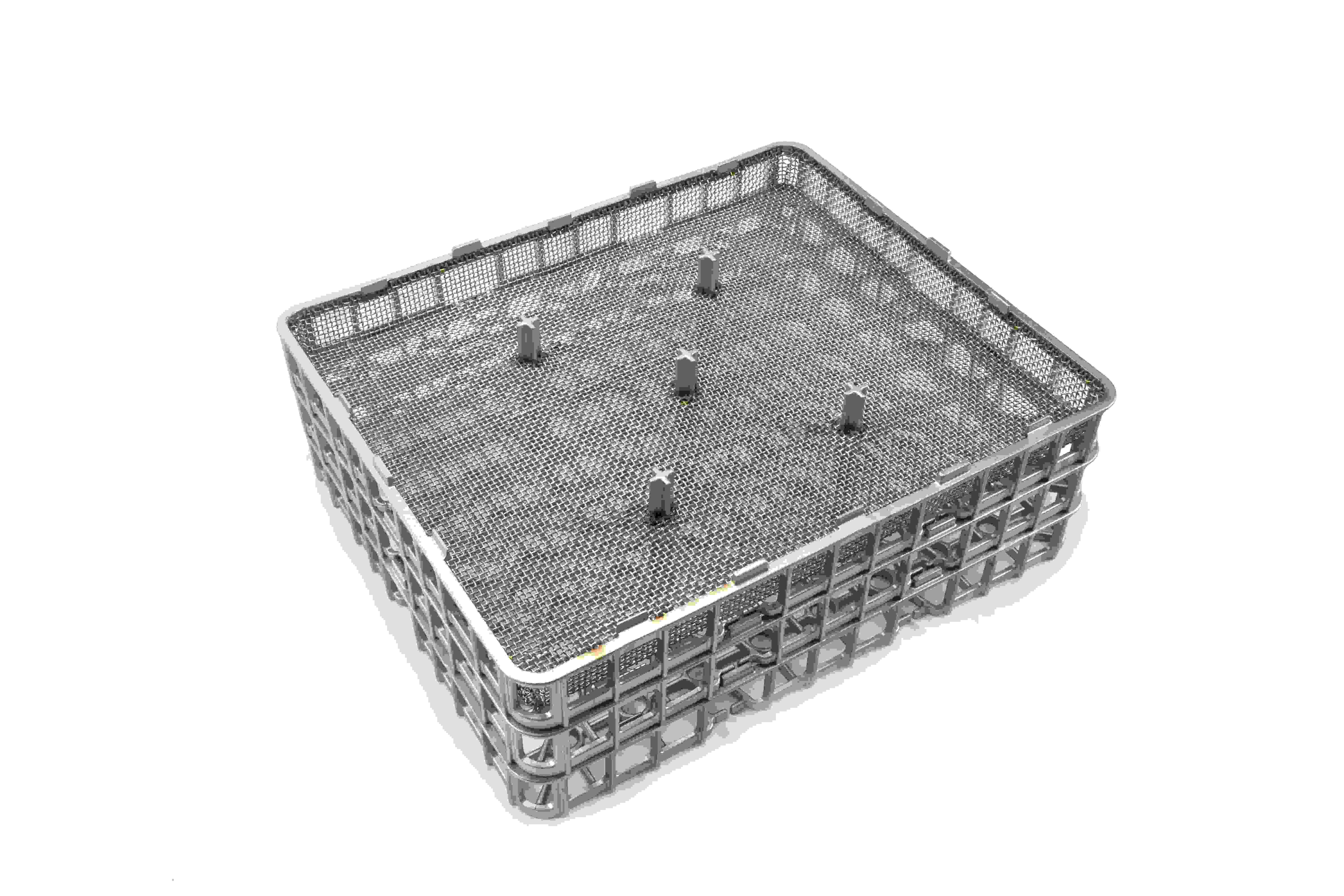
The modern manufacturing landscape demands precision, reliability, and cost-effectiveness in every process. Heat treatment stands out as a transformative technology that enables manufacturers to enhance mechanical properties, improve durability, and extend the service life of metal components. From small precision parts to large structural components, the application of controlled thermal processes has revolutionized how we approach material science and engineering design principles.
Fundamentals of Heat Treatment Processes
Scientific Principles Behind Thermal Processing
The science of heat treatment revolves around the controlled manipulation of crystal structures within metallic materials. When metals are subjected to specific temperature ranges and cooling rates, their internal atomic arrangements undergo predictable changes that directly influence mechanical properties such as hardness, strength, and ductility. These transformations occur at the molecular level, where atoms rearrange themselves into new crystalline structures based on the thermal energy applied and the rate at which that energy is removed from the system.
Temperature control represents the most critical aspect of successful heat treatment operations. Different metals and alloys require precise temperature ranges to achieve optimal results, with variations of even a few degrees potentially affecting the final outcome. The relationship between time and temperature creates what metallurgists refer to as time-temperature-transformation curves, which serve as roadmaps for achieving specific material properties through carefully orchestrated thermal cycles.
Material Behavior During Thermal Cycling
Understanding how different metals respond to thermal cycling is fundamental to successful heat treatment implementation. Steel alloys, for example, exhibit distinct phase transformations as they are heated beyond critical temperatures, transitioning from ferrite and pearlite structures to austenite, which then transforms into various microstructures during cooling. These phase changes determine the final mechanical properties of the treated material, making precise control of heating and cooling rates essential for achieving desired outcomes.
Non-ferrous metals such as aluminum, copper, and titanium alloys each have unique thermal characteristics that require specialized approaches to heat treatment. Aluminum alloys often rely on precipitation hardening mechanisms, where controlled aging processes allow fine particles to form within the metal matrix, significantly enhancing strength while maintaining desirable ductility levels. Understanding these material-specific behaviors enables manufacturers to select appropriate thermal processing strategies for their specific applications.
Primary Heat Treatment Methods
Annealing Processes and Applications
Annealing represents one of the most widely used heat treatment methods in metal manufacturing, designed primarily to soften materials and relieve internal stresses. This process involves heating metals to specific temperatures, maintaining that temperature for a predetermined duration, and then allowing controlled cooling to occur. The primary objective of annealing is to restore ductility and workability to metals that have become hardened through cold working or previous thermal processing.
Full annealing, process annealing, and stress-relief annealing each serve distinct purposes in manufacturing operations. Full annealing completely recrystallizes the metal structure, creating uniform grain sizes and eliminating work hardening effects. Process annealing provides intermediate softening for continued cold working operations, while stress-relief annealing removes residual stresses without significantly altering the existing microstructure. These variations allow manufacturers to tailor their thermal processing strategies to specific production requirements and material specifications.
Hardening and Quenching Techniques
Hardening processes represent the opposite approach to annealing, focusing on maximizing material hardness and strength through rapid cooling from elevated temperatures. Quenching, the most common hardening technique, involves heating metals to austenitizing temperatures followed by rapid cooling in water, oil, or specialized quenchants. This rapid cooling prevents the formation of soft microstructures, instead promoting the development of hard, brittle phases that dramatically increase material hardness.
The selection of appropriate quenching media depends on the specific alloy being processed and the desired final properties. Water quenching provides the most severe cooling rates, suitable for simple carbon steels but potentially causing distortion or cracking in complex geometries. Oil quenching offers more controlled cooling rates, reducing the risk of thermal shock while still achieving significant hardness increases. Gas quenching and salt bath quenching provide additional options for specialized applications requiring precise control over cooling characteristics.
Advanced Heat Treatment Technologies
Vacuum Heat Treatment Systems
Vacuum heat treatment has emerged as a premium technology for processing high-value components that require exceptional surface quality and dimensional stability. By removing atmospheric gases from the treatment environment, vacuum systems eliminate oxidation and decarburization concerns that plague conventional thermal processing methods. This technology proves particularly valuable for processing tool steels, aerospace alloys, and medical device components where surface integrity is paramount.
The controlled atmosphere provided by vacuum systems enables precise regulation of carbon potential and chemical composition at the surface of treated parts. This capability allows manufacturers to achieve consistent results while minimizing secondary operations such as grinding or machining to remove surface defects. Additionally, vacuum heat treatment often provides superior dimensional stability, reducing part distortion and improving overall manufacturing efficiency through reduced post-processing requirements.
Induction Heating Applications
Induction heating represents a rapid, energy-efficient approach to localized heat treatment that has gained significant traction in modern manufacturing environments. This technology uses electromagnetic fields to generate heat directly within the metal component, providing precise control over heating patterns and enabling selective treatment of specific areas while leaving surrounding material unaffected. The speed and precision of induction heating make it ideal for high-volume production environments where cycle time optimization is critical.
Surface hardening applications particularly benefit from induction heating technology, as manufacturers can achieve deep hardening patterns with minimal heat input to the core material. This selective heating approach preserves the toughness of the component core while providing exceptional wear resistance at critical surface areas. Automotive camshafts, gears, and bearing races represent typical applications where induction heat treatment delivers superior performance compared to conventional methods.
Quality Control and Process Optimization
Temperature Monitoring and Control Systems
Modern heat treatment operations rely heavily on sophisticated temperature monitoring and control systems to ensure consistent results and regulatory compliance. Thermocouples, pyrometers, and infrared sensors provide real-time temperature feedback that enables automated control systems to maintain precise thermal profiles throughout the treatment cycle. These monitoring systems often incorporate data logging capabilities that create permanent records of processing parameters for quality assurance and traceability purposes.
System calibration and maintenance represent critical aspects of temperature control reliability. Regular calibration checks using certified reference standards ensure that monitoring equipment provides accurate readings throughout its operational range. Preventive maintenance schedules help identify potential issues before they impact production quality, while redundant sensor systems provide backup measurements in mission-critical applications where process interruptions must be minimized.
Testing and Validation Procedures
Comprehensive testing protocols validate the effectiveness of thermal processing operations and ensure that treated components meet specified performance requirements. Hardness testing, microstructural analysis, and mechanical property evaluation provide quantitative measures of treatment effectiveness, while non-destructive testing methods such as magnetic particle inspection and ultrasonic examination detect potential defects that could compromise component performance.
Statistical process control methods help manufacturers identify trends and variations in thermal processing results, enabling proactive adjustments to maintain consistent quality levels. Control charts, capability studies, and correlation analyses provide insights into process stability and help optimize operating parameters for maximum efficiency and quality. These analytical tools prove particularly valuable when processing new alloys or implementing modified treatment procedures.
Industry Applications and Case Studies
Automotive Manufacturing Applications
The automotive industry represents one of the largest consumers of heat treatment services, with applications ranging from engine components to structural elements. Crankshafts, connecting rods, and transmission gears require precise thermal processing to achieve the combination of strength, durability, and fatigue resistance necessary for reliable automotive performance. Advanced heat treatment techniques enable manufacturers to optimize these components for specific performance requirements while maintaining cost-effectiveness in high-volume production environments.
Case hardening applications in automotive manufacturing demonstrate the versatility of modern thermal processing methods. Carburizing and nitriding processes create hard, wear-resistant surfaces on gears and shafts while preserving tough, ductile cores that provide impact resistance. These selective hardening techniques allow automotive manufacturers to optimize component performance for specific operating conditions while minimizing material costs and manufacturing complexity.
Aerospace and Defense Applications
Aerospace applications demand the highest levels of precision and reliability in thermal processing, as component failures can have catastrophic consequences. Turbine blades, landing gear components, and structural elements require specialized heat treatment procedures that achieve exceptional strength-to-weight ratios while maintaining consistent performance under extreme operating conditions. Solution treatment, aging, and stress relieving processes are carefully orchestrated to optimize material properties for specific aerospace applications.
The use of exotic alloys in aerospace applications presents unique challenges for thermal processing operations. Superalloys, titanium alloys, and advanced composites each require specialized treatment parameters and handling procedures to achieve optimal results. These materials often undergo multiple thermal processing steps, with each stage carefully controlled to build the desired microstructural characteristics that enable superior performance in demanding aerospace environments.
Future Trends and Innovations
Digital Integration and Industry 4.0
The integration of digital technologies is transforming traditional heat treatment operations into smart, connected systems that provide unprecedented levels of process visibility and control. Internet of Things sensors, artificial intelligence algorithms, and predictive analytics enable real-time optimization of thermal processing parameters based on continuous feedback from multiple data sources. These technologies help manufacturers reduce energy consumption, improve quality consistency, and minimize unplanned downtime through predictive maintenance strategies.
Machine learning applications in thermal processing show particular promise for optimizing complex multi-variable processes where traditional control methods struggle to achieve optimal results. By analyzing historical processing data and correlating it with final component properties, AI systems can identify subtle patterns and relationships that enable more precise process control. This capability proves especially valuable when processing new alloys or developing innovative treatment procedures where empirical knowledge may be limited.
Sustainable Processing Technologies
Environmental considerations are driving the development of more sustainable approaches to thermal processing that reduce energy consumption and minimize environmental impact. Heat recovery systems, improved insulation technologies, and alternative heating methods contribute to significant reductions in energy usage while maintaining or improving process performance. These innovations help manufacturers reduce operating costs while meeting increasingly stringent environmental regulations and corporate sustainability goals.
Alternative quenching media and processing atmospheres represent additional opportunities for improving the environmental performance of thermal processing operations. Bio-based quenchants, closed-loop cooling systems, and renewable energy integration demonstrate the industry's commitment to sustainable manufacturing practices. These technologies often provide additional benefits such as improved worker safety, reduced waste generation, and enhanced process reliability compared to traditional methods.
FAQ
What factors determine the appropriate heat treatment method for specific metal components
The selection of appropriate thermal processing methods depends on multiple factors including the base metal composition, desired final properties, component geometry, and production volume requirements. Material chemistry plays a fundamental role, as different alloys respond differently to thermal processing and require specific temperature ranges and cooling rates to achieve optimal results. Component geometry influences heating uniformity and cooling rates, potentially requiring specialized fixturing or processing techniques to prevent distortion or achieve consistent results throughout complex shapes.
How do modern quality control systems ensure consistent results in thermal processing operations
Contemporary quality control systems employ multiple monitoring technologies and analytical methods to maintain consistent thermal processing results. Real-time temperature monitoring using calibrated sensors provides continuous feedback on process conditions, while automated control systems adjust heating and cooling parameters to maintain specified thermal profiles. Statistical process control methods analyze processing data to identify trends and variations that might indicate developing issues, enabling proactive adjustments before quality problems occur. Regular testing of processed components validates system performance and ensures that final properties meet specifications.
What role does equipment design play in achieving optimal thermal processing results
Equipment design significantly impacts the effectiveness and efficiency of thermal processing operations through factors such as heating uniformity, atmosphere control, and temperature stability. Furnace design affects heat distribution patterns and energy efficiency, while atmosphere control systems ensure consistent chemical environments that prevent oxidation or decarburization. Loading and fixturing systems influence heating uniformity and component distortion, requiring careful consideration of thermal expansion effects and support methods. Modern equipment incorporates advanced control systems and monitoring technologies that enable precise process control and comprehensive data collection for quality assurance purposes.
How can manufacturers optimize energy efficiency in thermal processing operations
Energy optimization in thermal processing involves multiple strategies including improved insulation, heat recovery systems, and process parameter optimization. Enhanced furnace insulation reduces heat loss and improves temperature uniformity while reducing energy consumption. Heat recovery systems capture waste heat from cooling operations and redirect it to support heating requirements, significantly improving overall energy efficiency. Process optimization through careful scheduling and batch sizing maximizes furnace utilization while minimizing energy waste from unnecessary heating cycles. Advanced control systems enable precise temperature control that eliminates energy waste from temperature overshoot or extended processing times.
Table of Contents
- Fundamentals of Heat Treatment Processes
- Primary Heat Treatment Methods
- Advanced Heat Treatment Technologies
- Quality Control and Process Optimization
- Industry Applications and Case Studies
- Future Trends and Innovations
-
FAQ
- What factors determine the appropriate heat treatment method for specific metal components
- How do modern quality control systems ensure consistent results in thermal processing operations
- What role does equipment design play in achieving optimal thermal processing results
- How can manufacturers optimize energy efficiency in thermal processing operations