
 EN
EN

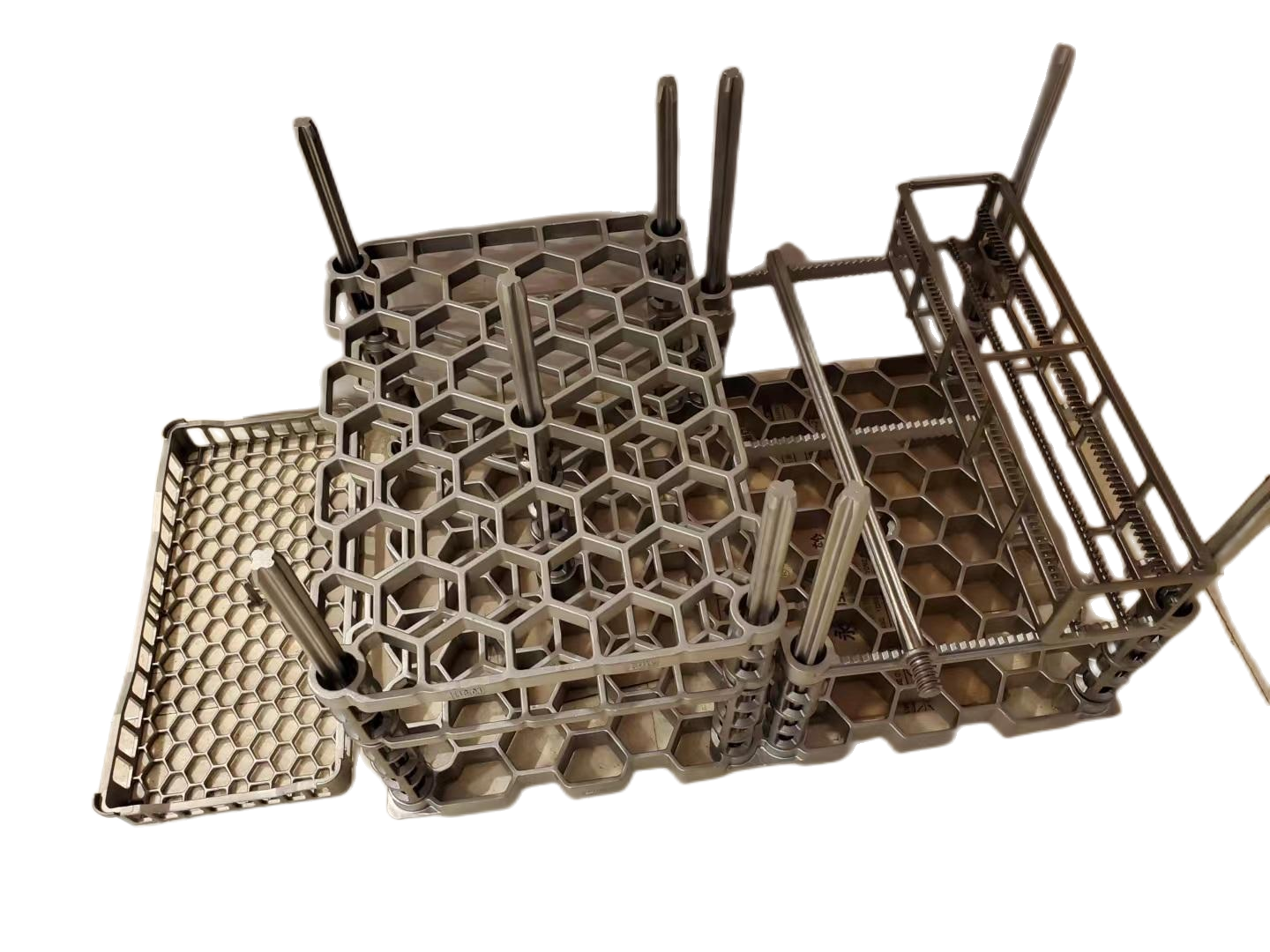
Selecting the right material for your heat treatment tray can make or break your industrial thermal processing operations. With temperatures often exceeding 1000°C and demanding chemical environments, the material choice directly impacts product quality, operational efficiency, and equipment longevity. Industrial facilities processing everything from aerospace components to automotive parts rely on heat treatment tray materials that can withstand extreme conditions while maintaining dimensional stability and chemical inertness.
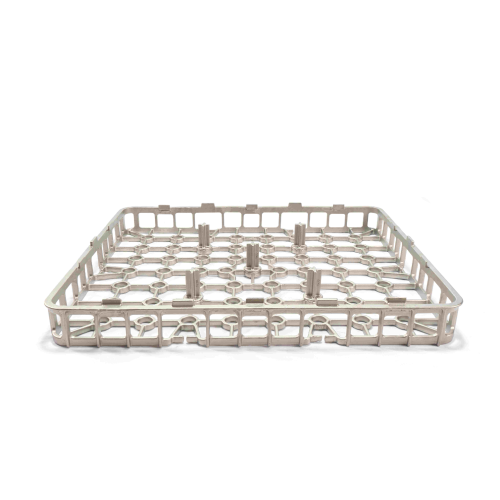
Understanding the performance characteristics of different heat treatment tray materials enables manufacturers to optimize their thermal processing workflows and reduce costly downtime. Each material offers distinct advantages depending on operating temperature ranges, chemical exposure, mechanical stress requirements, and budget considerations. This comprehensive analysis examines the five most effective materials currently dominating industrial heat treatment applications, providing the technical insights needed to make informed procurement decisions for your specific thermal processing requirements.
Stainless Steel Heat Treatment Trays
Superior Corrosion Resistance and Versatility
Stainless steel grades, particularly 310SS and 321SS, represent the most widely adopted materials for heat treatment tray construction in industrial environments. These alloys demonstrate exceptional oxidation resistance at temperatures up to 1150°C while maintaining structural integrity under repeated thermal cycling. The chromium content forms a protective oxide layer that prevents material degradation even in aggressive atmospheres containing sulfur compounds or chlorides commonly encountered in industrial heat treatment processes.
The mechanical properties of stainless steel heat treatment tray materials remain stable across wide temperature ranges, making them suitable for both batch and continuous processing operations. Grade 310SS offers superior high-temperature strength retention compared to standard austenitic grades, while 321SS provides excellent resistance to intergranular corrosion through titanium stabilization. These characteristics translate to extended service life and reduced maintenance costs in demanding industrial applications.
Cost-Effectiveness and Manufacturing Advantages
Stainless steel heat treatment tray fabrication benefits from established manufacturing processes and readily available raw materials, resulting in competitive pricing and shorter lead times compared to exotic alloys. The material's excellent weldability allows for complex tray geometries and integrated fixture designs that optimize part loading density and heat transfer efficiency. Standard machining operations can easily modify existing trays to accommodate changing production requirements without specialized tooling or equipment.
The recyclability of stainless steel materials provides additional economic advantages through scrap value recovery when trays reach end-of-life. Many industrial facilities implement tray rotation programs that maximize utilization while maintaining quality standards, leveraging the predictable degradation patterns of stainless steel alloys to optimize replacement schedules and inventory management.
Inconel Alloy Heat Treatment Trays
Exceptional High-Temperature Performance
Inconel 625 and 601 alloys deliver unmatched performance for heat treatment tray applications requiring sustained operation above 1200°C. These nickel-based superalloys maintain excellent strength and oxidation resistance at temperatures where stainless steel materials begin to experience significant property degradation. The unique microstructure of Inconel alloys provides superior creep resistance under high-temperature mechanical loading conditions typical in large-scale industrial heat treatment operations.
The thermal expansion characteristics of Inconel heat treatment tray materials closely match many processed components, minimizing thermal stress concentrations that can lead to warping or cracking. This dimensional stability proves particularly valuable in precision heat treatment applications where tight tolerances must be maintained throughout the thermal cycle. The material's resistance to carburization and nitridation makes it ideal for atmospheres containing active carbon or nitrogen species.
Specialized Applications and Long-Term Reliability
Inconel heat treatment tray materials excel in specialized applications such as vacuum heat treatment, where outgassing characteristics and vapor pressure considerations become critical factors. The low vapor pressure of these alloys prevents contamination of processed parts while maintaining structural integrity under vacuum conditions. Advanced aerospace and medical device manufacturing operations frequently specify Inconel trays for these demanding requirements.
The investment in Inconel heat treatment tray materials typically pays dividends through extended service intervals and reduced unscheduled maintenance. While initial costs exceed stainless steel alternatives, the superior high-temperature properties and corrosion resistance often result in lower total cost of ownership for demanding applications. Proper specification of Inconel grades based on specific operating conditions maximizes these economic benefits.
Ceramic Heat Treatment Tray Materials
Thermal Shock Resistance and Chemical Inertness
Advanced ceramic materials such as silicon carbide and alumina offer unique advantages for heat treatment tray applications requiring exceptional thermal shock resistance and complete chemical inertness. These materials maintain structural integrity during rapid heating and cooling cycles that would cause metallic trays to develop stress cracks or permanent deformation. The low thermal expansion coefficient of ceramic heat treatment tray materials makes them particularly suitable for precision applications where dimensional stability is paramount.
Silicon carbide heat treatment tray materials demonstrate outstanding oxidation resistance even at temperatures exceeding 1500°C, enabling processing operations beyond the capability of metallic alternatives. The material's excellent thermal conductivity promotes uniform temperature distribution across the tray surface, eliminating hot spots that can cause uneven heat treatment results. Chemical inertness prevents any interaction with processed materials, making ceramic trays ideal for applications requiring absolute purity.
Specialized Design Considerations
The brittle nature of ceramic heat treatment tray materials requires careful attention to design details and handling procedures to maximize service life. Proper stress distribution through rounded corners and gradual thickness transitions prevents crack initiation points that could lead to catastrophic failure. Support systems must accommodate the different thermal expansion characteristics compared to metallic furnace components while providing adequate mechanical support.
Manufacturing limitations of ceramic materials restrict heat treatment tray geometries to relatively simple configurations compared to the complex shapes achievable with metallic alternatives. However, the exceptional performance characteristics often justify design compromises in applications where ceramic properties provide significant operational advantages. Modular ceramic tray systems allow flexibility while working within material limitations.
Carbon Steel Heat Treatment Tray Options
Cost-Effective Solutions for Moderate Temperature Applications
Carbon steel heat treatment tray materials provide economical solutions for applications operating below 600°C where corrosion resistance requirements are minimal. Grades such as A36 and 1018 offer adequate strength and thermal properties for many industrial heat treatment processes while maintaining significantly lower material costs compared to stainless steel or exotic alloys. The excellent machinability and weldability of carbon steel enables cost-effective fabrication of complex tray configurations.
The thermal conductivity characteristics of carbon steel heat treatment tray materials promote rapid heating and cooling rates that can improve process efficiency in certain applications. However, the limited oxidation resistance restricts usage to controlled atmosphere environments or applications where surface oxidation does not impact operational performance. Protective coatings can extend the useful temperature range while maintaining cost advantages.
Maintenance and Lifecycle Considerations
Carbon steel heat treatment tray materials require more frequent inspection and maintenance compared to corrosion-resistant alternatives due to their susceptibility to oxidation and scaling. However, the low replacement cost and readily available materials make maintenance-intensive applications economically viable for many industrial operations. Proper atmosphere control and surface preparation techniques can significantly extend service life.
The high strength-to-weight ratio of carbon steel allows for robust heat treatment tray designs that can support heavy part loads without excessive deflection. This characteristic proves valuable in high-throughput production environments where maximum loading density directly impacts operational efficiency. Strategic material selection based on specific application requirements optimizes both performance and economics.
Specialized Alloy Heat Treatment Tray Materials
Hastelloy and Advanced Superalloys
Hastelloy C-276 and similar advanced superalloys provide exceptional performance for heat treatment tray applications involving highly corrosive environments or extreme temperature conditions. These materials demonstrate superior resistance to chloride stress corrosion cracking and maintain mechanical properties under conditions that would cause rapid degradation of conventional heat treatment tray materials. The unique composition of these alloys makes them suitable for specialized chemical processing applications.
The thermal stability of specialized alloy heat treatment tray materials enables consistent performance across thousands of thermal cycles without significant property changes. This reliability proves crucial in high-volume production environments where process consistency directly impacts product quality and manufacturing efficiency. Advanced metallurgical treatments can further enhance specific properties for targeted applications.
Application-Specific Material Selection
Cobalt-based alloys such as Stellite variants offer unique wear resistance characteristics that benefit heat treatment tray applications involving abrasive part handling or sliding contact. These materials maintain hardness at elevated temperatures while providing adequate oxidation resistance for most industrial heat treatment environments. The selection of specialized alloys requires careful evaluation of performance requirements against significantly higher material costs.
Titanium alloys present interesting possibilities for heat treatment tray applications requiring maximum strength-to-weight ratios and exceptional corrosion resistance. While material costs remain high, the superior properties can justify usage in aerospace and medical applications where conventional materials prove inadequate. Proper alloy selection and heat treatment optimize performance characteristics for specific operational requirements.
FAQ
What factors determine the best heat treatment tray material for my application?
The optimal heat treatment tray material depends primarily on your maximum operating temperature, atmospheric conditions, mechanical loading requirements, and budget constraints. Stainless steel grades work well for most applications below 1100°C, while Inconel alloys excel above 1200°C. Chemical exposure, thermal cycling frequency, and required service life also influence material selection decisions.
How do I calculate the expected service life of different heat treatment tray materials?
Service life calculations consider factors including operating temperature, thermal cycle frequency, mechanical stress levels, and environmental exposure conditions. Stainless steel heat treatment tray materials typically provide 2-5 years of service under normal conditions, while Inconel alloys can exceed 10 years in demanding applications. Ceramic materials offer exceptional longevity when properly handled and supported.
Can heat treatment tray materials be repaired or refurbished to extend service life?
Metallic heat treatment tray materials often allow repair through welding, machining, or surface treatments depending on the extent of damage and material type. Stainless steel and Inconel trays can frequently be restored to serviceable condition through professional refurbishment. Ceramic materials generally require replacement when damaged, though modular designs may allow partial repairs.
What are the key safety considerations when selecting heat treatment tray materials?
Safety considerations include thermal shock resistance, structural integrity under loading, chemical compatibility with processed materials, and potential for catastrophic failure modes. Heat treatment tray materials must maintain adequate strength margins under all operating conditions while preventing contamination of processed parts. Proper material certification and periodic inspection protocols ensure continued safe operation throughout service life.
Table of Contents
- Stainless Steel Heat Treatment Trays
- Inconel Alloy Heat Treatment Trays
- Ceramic Heat Treatment Tray Materials
- Carbon Steel Heat Treatment Tray Options
- Specialized Alloy Heat Treatment Tray Materials
-
FAQ
- What factors determine the best heat treatment tray material for my application?
- How do I calculate the expected service life of different heat treatment tray materials?
- Can heat treatment tray materials be repaired or refurbished to extend service life?
- What are the key safety considerations when selecting heat treatment tray materials?