
 EN
EN

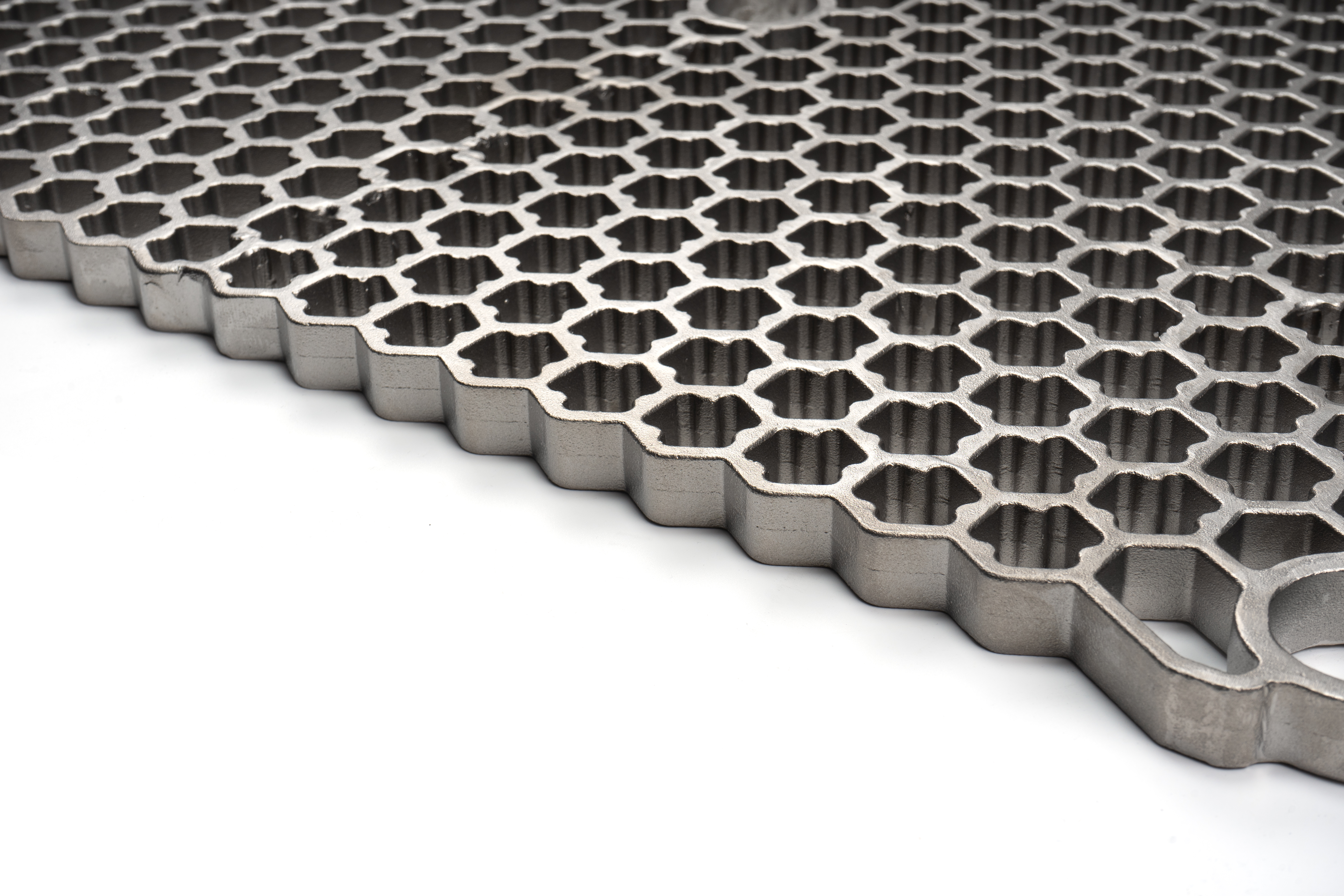
Selecting the right heat treatment tray for your industrial operations in 2026 requires understanding the evolving landscape of materials technology, manufacturing precision, and operational demands. As thermal processing becomes increasingly sophisticated, the choice of heat treatment tray directly impacts product quality, energy efficiency, and overall production costs. Modern heat treatment facilities demand trays that can withstand extreme temperatures while maintaining dimensional stability and chemical resistance across thousands of thermal cycles.
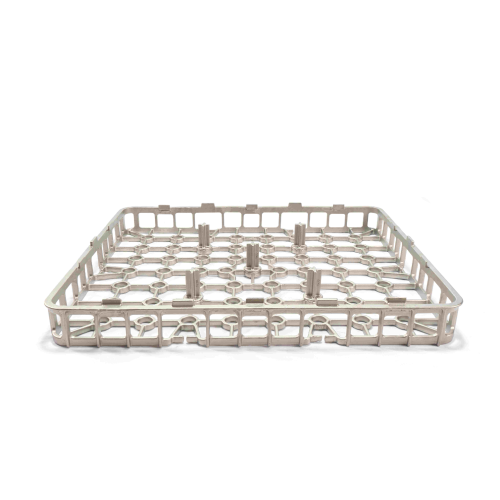
The 2026 market presents unprecedented options for heat treatment tray selection, driven by advances in high-performance alloys, ceramic composites, and precision manufacturing techniques. Whether you're processing aerospace components, automotive parts, or specialized industrial equipment, your heat treatment tray choice must align with specific temperature ranges, atmosphere conditions, and load requirements. This comprehensive guide examines the critical factors that determine optimal heat treatment tray selection, helping you make informed decisions that enhance both productivity and long-term operational success.
Understanding Heat Treatment Tray Material Requirements
High-Temperature Alloy Performance Standards
The foundation of any effective heat treatment tray lies in its material composition and ability to maintain structural integrity under extreme thermal conditions. Stainless steel grades such as 310SS and 330SS remain popular choices for heat treatment tray applications, offering excellent oxidation resistance and thermal cycling durability up to 2000°F. These materials provide the necessary strength-to-weight ratio while maintaining cost-effectiveness for high-volume production environments.
Advanced nickel-based superalloys represent the premium tier of heat treatment tray materials, delivering superior performance in the most demanding applications. Inconel 601 and Haynes 230 offer exceptional resistance to carburization and thermal shock, making them ideal for heat treatment tray applications involving rapid heating and cooling cycles. These materials command higher initial costs but provide extended service life and reduced maintenance requirements in challenging operational environments.
Ceramic matrix composites are emerging as viable alternatives for specialized heat treatment tray applications requiring ultra-high temperature resistance. These materials excel in environments exceeding 2200°F where metallic options reach their operational limits. However, careful consideration of thermal expansion coefficients and mechanical shock resistance remains crucial when evaluating ceramic-based heat treatment tray solutions for industrial applications.
Chemical Compatibility and Atmosphere Resistance
The chemical environment within your heat treatment furnace significantly influences heat treatment tray material selection. Reducing atmospheres containing hydrogen or carbon monoxide require materials with exceptional resistance to carburization and decarburization effects. Your heat treatment tray must maintain dimensional stability while resisting chemical attack from process atmospheres that could compromise load integrity or contaminate treated components.
Oxidizing atmospheres present different challenges for heat treatment tray selection, requiring materials with superior oxide scale formation properties. The ideal heat treatment tray develops a protective oxide layer that prevents further material degradation while maintaining sufficient mechanical properties under load. This balance becomes critical in applications involving frequent thermal cycling where oxide spalling could lead to premature tray failure.
Neutral atmosphere processing demands heat treatment tray materials that exhibit minimal interaction with inert gases while maintaining thermal conductivity for uniform heating. The selection process must consider potential contamination sources from tray materials that could affect the metallurgical properties of treated components, particularly in aerospace and medical device applications where material purity is paramount.
Dimensional Design and Load Capacity Considerations
Thermal Expansion Management
Proper thermal expansion management represents a critical aspect of heat treatment tray design that directly affects operational reliability and component quality. The coefficient of thermal expansion for your heat treatment tray material must align with both the furnace constraints and the thermal behavior of processed components. Mismatched expansion rates can lead to warping, binding, or catastrophic failure during high-temperature operations.
Design features such as expansion joints, flexible supports, and strategic cutouts help accommodate thermal growth while maintaining structural integrity. Your heat treatment tray should incorporate these elements based on the maximum operating temperature and the dimensional constraints of your furnace system. Proper expansion management extends tray service life and reduces the risk of damage to both the tray and processed components.
The relationship between heat treatment tray dimensions and thermal expansion becomes increasingly important in large-scale operations where even small dimensional changes can accumulate into significant clearance issues. Engineering calculations must account for both linear and volumetric expansion to ensure consistent performance across the entire operating temperature range of your heat treatment process.
Structural Integrity and Load Distribution
Load capacity calculations for heat treatment tray applications must consider both the weight of processed components and the thermal stress induced by high-temperature operations. The structural design should distribute loads evenly across the tray surface while maintaining adequate safety factors for dynamic loading conditions that occur during furnace charging and discharging operations.
Reinforcement strategies for heat treatment tray construction include strategic placement of support ribs, edge stiffening, and optimized thickness distribution. These design elements must balance structural performance with thermal mass considerations, as excessive material thickness can lead to uneven heating and extended cycle times. The optimal heat treatment tray design achieves maximum structural efficiency with minimal impact on thermal performance.
Fatigue resistance becomes crucial for heat treatment tray applications involving repetitive thermal cycling. The design must account for stress concentrations at joints, corners, and support points where thermal expansion and contraction create repeated loading cycles. Proper attention to these details during the selection process helps ensure long-term operational reliability and reduces unexpected maintenance requirements.
Manufacturing Quality and Precision Standards
Fabrication Techniques and Weld Quality
The manufacturing quality of your heat treatment tray directly impacts its performance, longevity, and reliability in high-temperature applications. Welding procedures must comply with applicable codes and standards while ensuring complete penetration and minimal heat-affected zone formation. TIG welding typically provides the cleanest results for heat treatment tray fabrication, offering precise control over heat input and minimal contamination risk.
Post-weld heat treatment becomes essential for certain heat treatment tray materials to relieve residual stresses and restore optimal metallurgical properties. This process must be carefully controlled to avoid dimensional distortion while achieving the desired stress relief. The fabrication facility should demonstrate proven capabilities in handling high-temperature alloys and maintaining dimensional tolerances throughout the manufacturing process.
Surface finish requirements for heat treatment tray applications vary based on the specific process environment and cleanliness standards. Smooth surfaces minimize contamination accumulation and facilitate cleaning between production runs. However, excessive surface roughness can create stress concentration points that compromise fatigue resistance, making proper surface preparation a critical aspect of heat treatment tray quality control.
Dimensional Accuracy and Tolerance Control
Precision manufacturing ensures that your heat treatment tray fits properly within furnace constraints while providing optimal clearances for thermal expansion. Dimensional tolerances must account for both manufacturing variations and the thermal growth characteristics of the selected materials. Tight tolerance control becomes particularly important for automated handling systems where consistent positioning is required for proper operation.
Quality assurance procedures should include comprehensive dimensional inspection using coordinate measuring machines or laser scanning systems. These verification methods ensure that each heat treatment tray meets specified requirements before delivery. The inspection data also provides baseline measurements for tracking dimensional changes over the service life of the tray.
Flatness and straightness specifications for heat treatment tray surfaces affect both component quality and furnace efficiency. Warped or distorted trays can create uneven heating patterns that compromise the heat treatment process. Manufacturing processes must include stress-relief operations and final straightening procedures to achieve and maintain the required geometric accuracy throughout the operational temperature range.
Operational Performance and Maintenance Requirements
Service Life Optimization Strategies
Maximizing heat treatment tray service life requires understanding the primary failure modes and implementing preventive strategies. Oxidation, thermal fatigue, and mechanical wear represent the most common causes of heat treatment tray replacement. Regular inspection schedules help identify early signs of deterioration before catastrophic failure occurs, allowing for planned maintenance and replacement activities.
Operating procedures significantly influence heat treatment tray longevity. Gradual heating and cooling cycles reduce thermal shock stress, while proper loading techniques prevent mechanical damage from impact or overloading. Training operators on proper handling procedures extends tray life and reduces the frequency of premature replacements that increase operational costs.
Environmental factors within the furnace atmosphere affect heat treatment tray degradation rates. Controlling oxygen levels, moisture content, and contamination sources helps minimize chemical attack on tray materials. The heat treatment tray selection process should consider the specific atmospheric conditions and their long-term effects on material performance and dimensional stability.
Maintenance Protocols and Replacement Indicators
Establishing clear maintenance protocols for heat treatment tray inspection and evaluation ensures consistent performance and prevents unexpected failures. Visual inspection techniques can identify surface oxidation, cracking, and dimensional changes that indicate approaching end-of-life conditions. These inspections should occur at regular intervals based on operating cycles and thermal exposure history.
Dimensional measurement protocols track gradual changes in heat treatment tray geometry that could affect process performance. Significant warping or sagging indicates structural degradation that compromises load support and heating uniformity. Establishing measurement baselines and tolerance limits helps determine when replacement becomes necessary for maintaining process quality.
Documentation of heat treatment tray performance history provides valuable data for optimizing replacement schedules and evaluating material selection decisions. Tracking operating hours, thermal cycles, and maintenance activities helps establish realistic service life expectations and identify opportunities for performance improvements in future tray selections.
FAQ
What temperature range should I consider when selecting a heat treatment tray?
Heat treatment tray temperature requirements depend on your specific thermal processing applications, but most industrial operations require trays capable of withstanding temperatures between 1800°F and 2100°F. For standard steel heat treatment processes, a heat treatment tray rated for 2000°F provides adequate margin for most applications. Higher temperature applications such as superalloy processing or ceramic sintering may require specialized heat treatment tray materials capable of operating at 2200°F or higher with appropriate material selection and design considerations.
How do I determine the appropriate load capacity for my heat treatment tray?
Load capacity calculation for your heat treatment tray must consider both the weight of components being processed and the reduced strength of materials at elevated temperatures. Start by calculating the total weight of parts plus any fixtures or support structures, then apply a safety factor of at least 2.0 to account for thermal stress effects. The heat treatment tray design should distribute loads evenly across support points while maintaining structural integrity throughout the entire operating temperature range of your process.
What maintenance schedule should I follow for heat treatment trays?
A comprehensive maintenance schedule for your heat treatment tray should include visual inspection after every 100 thermal cycles or monthly, whichever occurs first. Look for signs of warping, cracking, excessive oxidation, or dimensional changes that could affect performance. Conduct dimensional measurements quarterly using precision measuring equipment to track gradual changes in geometry. Document all inspection findings and operating hours to establish service life patterns and optimize replacement timing for your specific heat treatment tray applications.
Can I use the same heat treatment tray for different types of thermal processing?
Using a single heat treatment tray for multiple thermal processes is possible but requires careful evaluation of compatibility factors. The tray material must be suitable for all planned operating temperatures, atmospheric conditions, and chemical environments. Cross-contamination concerns may restrict using the same heat treatment tray for different alloy systems or cleanliness-critical applications. Consider the thermal cycling effects and potential metallurgical changes that could occur when switching between different process parameters, as these factors influence both tray performance and component quality outcomes.
Table of Contents
- Understanding Heat Treatment Tray Material Requirements
- Dimensional Design and Load Capacity Considerations
- Manufacturing Quality and Precision Standards
- Operational Performance and Maintenance Requirements
-
FAQ
- What temperature range should I consider when selecting a heat treatment tray?
- How do I determine the appropriate load capacity for my heat treatment tray?
- What maintenance schedule should I follow for heat treatment trays?
- Can I use the same heat treatment tray for different types of thermal processing?