
 EN
EN

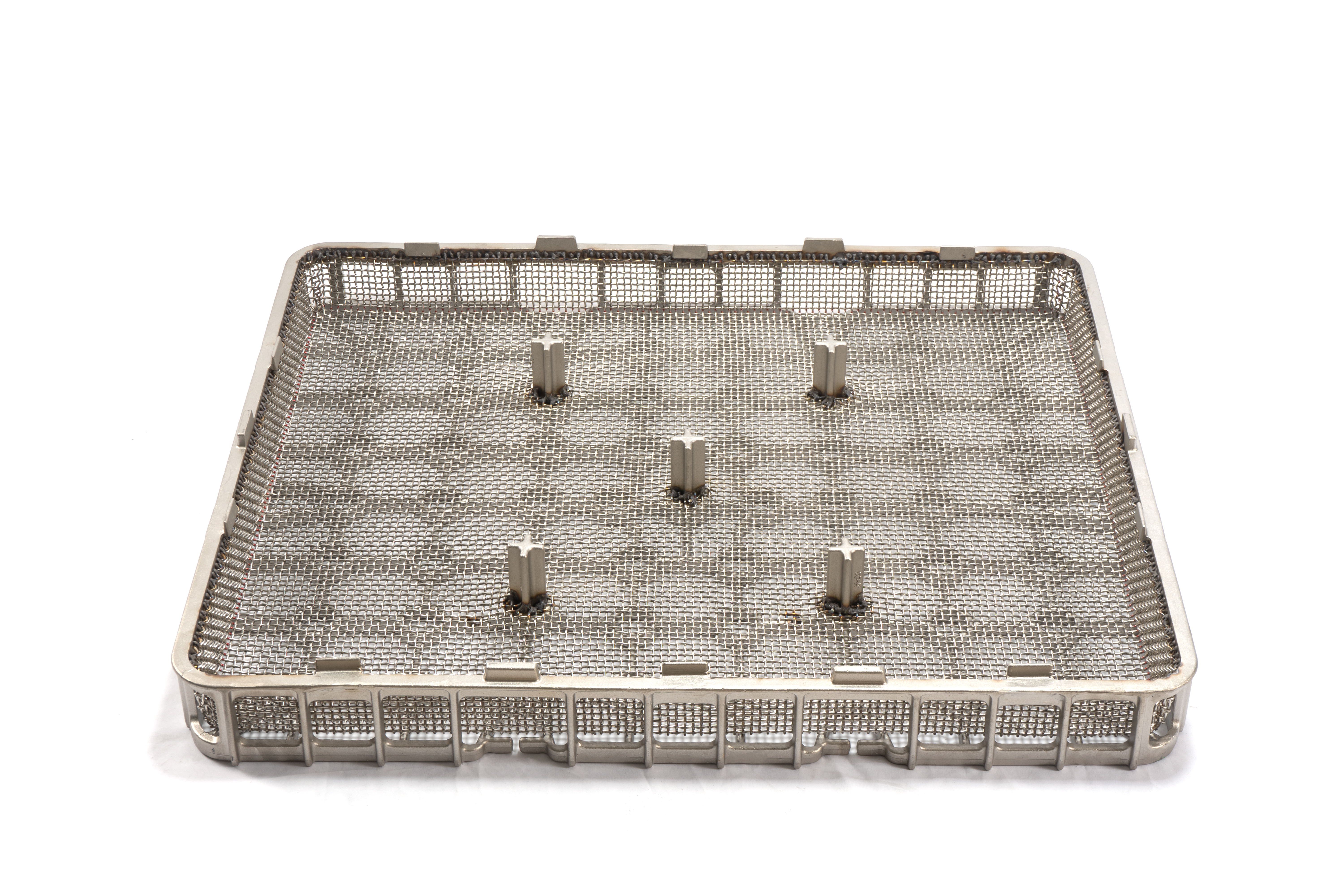
Heat treatment basket standards represent a critical framework that governs the manufacturing, design, and operational requirements for specialized containers used in industrial thermal processing applications. These standards ensure that heat treatment basket systems can withstand extreme temperatures, corrosive environments, and mechanical stresses while maintaining dimensional stability and operational reliability throughout their service life. Understanding these industry requirements is essential for manufacturers, process engineers, and quality control professionals who depend on consistent thermal processing outcomes.
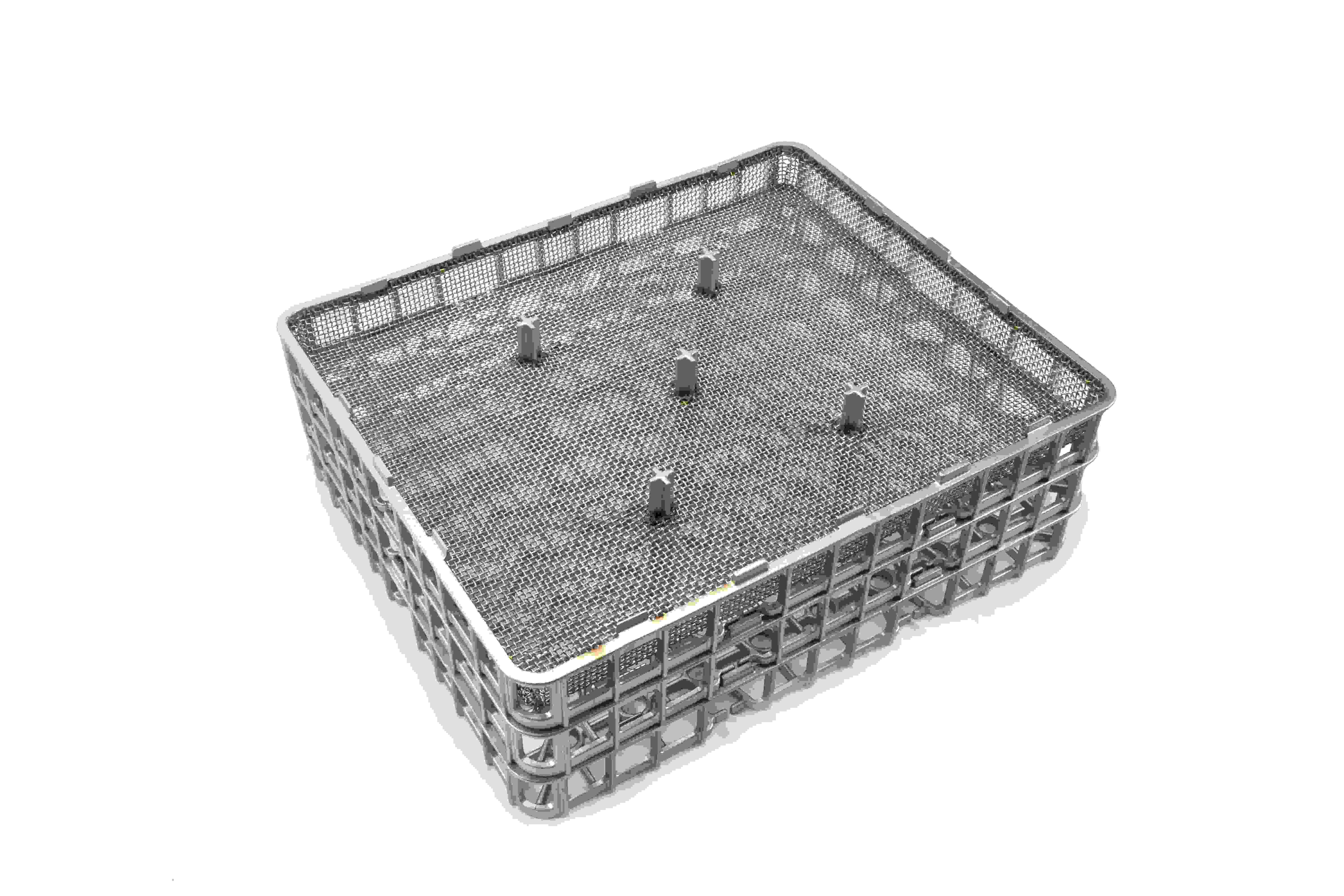
Industry requirements for heat treatment basket design encompass multiple regulatory frameworks, technical specifications, and performance criteria that address material selection, structural integrity, thermal compatibility, and safety considerations. These standards have evolved from decades of industrial experience and scientific research, incorporating lessons learned from equipment failures, process optimization studies, and advances in metallurgy and engineering design. Modern heat treatment basket standards reflect the increasing demands of precision manufacturing, where dimensional accuracy, repeatability, and traceability are paramount to achieving consistent product quality.
Material Specification Standards for Heat Treatment Baskets
High-Temperature Alloy Requirements
Industry standards mandate that heat treatment basket construction must utilize high-temperature resistant alloys capable of maintaining structural integrity at operating temperatures ranging from 800°F to 2100°F (427°C to 1149°C). The most commonly specified materials include stainless steel grades 304, 316, 321, and 310, as well as specialized heat-resistant alloys such as Inconel, Hastelloy, and proprietary chromium-nickel compositions. These material specifications ensure that the heat treatment basket maintains dimensional stability and corrosion resistance throughout repeated thermal cycling.
Material certification requirements typically include mill test certificates, chemical composition analysis, and mechanical property verification. Standards specify minimum chromium content levels, nickel percentages, and carbon limitations to ensure adequate oxidation resistance and creep strength. The heat treatment basket material must also demonstrate resistance to carbide precipitation, sigma phase formation, and other metallurgical degradation mechanisms that can compromise performance during extended high-temperature exposure.
Wire Mesh and Construction Specifications
Wire mesh specifications for heat treatment basket construction address wire diameter, mesh opening dimensions, weave patterns, and welding requirements. Industry standards typically specify minimum wire diameters based on basket size and load capacity, with common specifications ranging from 0.063 inches to 0.25 inches (1.6mm to 6.4mm) depending on application requirements. Mesh opening dimensions are standardized to provide optimal airflow while preventing small parts from falling through during processing.
Welding specifications for heat treatment basket assembly require certified welding procedures, qualified welders, and post-weld heat treatment when specified. Standards mandate that all welds must be free from porosity, cracks, and excessive penetration that could create stress concentration points. The welding consumables must match the base material composition to maintain corrosion resistance and thermal expansion compatibility throughout the heat treatment basket structure.
Dimensional and Structural Design Standards
Load Capacity and Structural Integrity Requirements
Heat treatment basket design standards specify minimum load capacity requirements based on basket dimensions and intended applications. Structural calculations must account for dead loads, live loads, and dynamic loading conditions that occur during handling, loading, and thermal processing operations. Standards typically require safety factors of 3:1 to 4:1 for static loading conditions and higher factors for dynamic loading scenarios.
Structural integrity requirements address deflection limitations, stress concentration factors, and fatigue resistance under repeated thermal cycling. The heat treatment basket frame must maintain dimensional stability within specified tolerances even when loaded to maximum capacity and subjected to temperature extremes. Standards also specify requirements for reinforcement placement, corner construction details, and attachment point design to prevent premature failure.
Dimensional Tolerance and Fit Requirements
Industry standards establish precise dimensional tolerances for heat treatment basket external dimensions, internal clearances, and critical fit dimensions that interface with furnace equipment. Typical tolerance specifications range from ±0.125 inches (±3.2mm) for overall dimensions to ±0.062 inches (±1.6mm) for critical fit dimensions. These tolerances ensure proper clearance within furnace chambers while maximizing loading efficiency.
Thermal expansion considerations require that heat treatment basket designs accommodate dimensional changes during heating and cooling cycles. Standards specify calculation methods for determining expansion allowances and design features such as sliding supports, flexible connections, and clearance adjustments that prevent binding or distortion during thermal cycling.
Performance and Testing Standards
Thermal Cycling and Durability Testing
Performance standards for heat treatment basket systems require comprehensive thermal cycling testing to validate design adequacy and service life expectations. Testing protocols typically specify minimum cycle counts ranging from 1000 to 10000 cycles depending on application severity and expected service life. Test conditions must replicate actual operating temperatures, heating and cooling rates, and atmospheric conditions encountered in production environments.
Durability testing standards evaluate dimensional stability, surface condition, and structural integrity after completing specified thermal cycling requirements. Acceptance criteria include maximum allowable permanent deformation, surface oxidation limits, and crack detection requirements. The heat treatment basket must maintain functional performance throughout the specified test duration without exhibiting signs of metallurgical degradation or structural compromise.
Load Testing and Verification Procedures
Load testing standards specify procedures for verifying heat treatment basket structural capacity under both ambient and elevated temperature conditions. Testing protocols require progressive loading to specified design limits while monitoring deflection, stress distribution, and potential failure modes. Standards mandate documentation of load-deflection characteristics and comparison with calculated design values.
Verification procedures also include proof load testing at 125% to 150% of rated capacity to confirm adequate safety margins and identify any manufacturing defects that could compromise performance. The heat treatment basket must demonstrate recovery to original dimensions after proof loading and show no evidence of permanent deformation or structural damage.
Quality Control and Documentation Standards
Manufacturing Process Control Requirements
Quality control standards for heat treatment basket manufacturing establish requirements for material traceability, process documentation, and inspection procedures throughout the fabrication process. Standards mandate that all materials must be traceable to original mill certifications and that any heat treatment or processing operations must be documented with time, temperature, and atmospheric control records.
Manufacturing process control includes welding procedure qualifications, welder certifications, and non-destructive testing requirements for critical joints and structural elements. The heat treatment basket manufacturing process must include dimensional verification at multiple fabrication stages and final inspection procedures that confirm compliance with all specified requirements.
Documentation and Certification Requirements
Industry standards require comprehensive documentation packages that include material certificates, dimensional inspection reports, load testing results, and thermal cycling verification data. Documentation must provide complete traceability from raw materials through final inspection and testing. Standards specify minimum retention periods for quality records and requirements for customer access to certification documents.
Certification requirements may include third-party inspection services, independent testing verification, and compliance statements signed by qualified engineers. The heat treatment basket documentation package must demonstrate conformance with all applicable standards and provide sufficient technical data to support ongoing maintenance and service life assessment activities.
Safety and Regulatory Compliance Standards
Occupational Safety Requirements
Safety standards for heat treatment basket systems address handling procedures, lifting point design, and operator protection requirements during loading, unloading, and maintenance operations. Standards specify minimum requirements for lifting attachments, balance points, and handling equipment compatibility to prevent accidents and equipment damage during routine operations.
Occupational safety requirements also include surface finish specifications that minimize sharp edges, protrusions, and other hazards that could cause injury during handling. The heat treatment basket design must incorporate safety features such as rounded corners, smooth weld profiles, and appropriate surface treatments that reduce the risk of cuts, punctures, or other contact injuries.
Environmental and Regulatory Compliance
Environmental compliance standards address material composition requirements, emission limitations, and waste disposal considerations associated with heat treatment basket manufacturing and operation. Standards may specify restrictions on certain alloying elements, surface treatments, or manufacturing processes that could generate environmental concerns during production or service life.
Regulatory compliance requirements vary by industry sector and geographic location but commonly include pressure vessel codes, industrial safety standards, and environmental protection regulations. The heat treatment basket design and manufacturing process must demonstrate compliance with all applicable regulatory requirements and maintain documentation supporting ongoing regulatory compliance throughout the product lifecycle.
FAQ
What are the most critical material requirements for heat treatment baskets?
The most critical material requirements include high-temperature oxidation resistance, dimensional stability at operating temperatures up to 2100°F, and resistance to thermal cycling fatigue. Materials must maintain structural integrity throughout repeated heating and cooling cycles while resisting carbide precipitation, sigma phase formation, and other metallurgical degradation mechanisms that can compromise performance.
How do industry standards address thermal expansion in heat treatment basket design?
Industry standards require designers to calculate and accommodate thermal expansion through specific design features such as sliding supports, flexible connections, and appropriate clearances. Standards specify calculation methods for determining expansion allowances and mandate that basket designs prevent binding or distortion during thermal cycling while maintaining proper fit within furnace chambers.
What testing procedures are required to validate heat treatment basket performance?
Required testing procedures include thermal cycling tests with minimum cycle counts from 1000 to 10000 cycles, load testing at both ambient and elevated temperatures, and proof load testing at 125% to 150% of rated capacity. Testing must replicate actual operating conditions including temperature ranges, heating and cooling rates, and atmospheric conditions encountered in production environments.
What documentation is required for heat treatment basket compliance with industry standards?
Required documentation includes material certificates with full traceability to mill test reports, dimensional inspection records, welding procedure qualifications, load testing results, and thermal cycling verification data. Standards mandate comprehensive documentation packages that demonstrate conformance with all applicable requirements and provide sufficient technical data for ongoing maintenance and service life assessment.
Table of Contents
- Material Specification Standards for Heat Treatment Baskets
- Dimensional and Structural Design Standards
- Performance and Testing Standards
- Quality Control and Documentation Standards
- Safety and Regulatory Compliance Standards
-
FAQ
- What are the most critical material requirements for heat treatment baskets?
- How do industry standards address thermal expansion in heat treatment basket design?
- What testing procedures are required to validate heat treatment basket performance?
- What documentation is required for heat treatment basket compliance with industry standards?