
 EN
EN

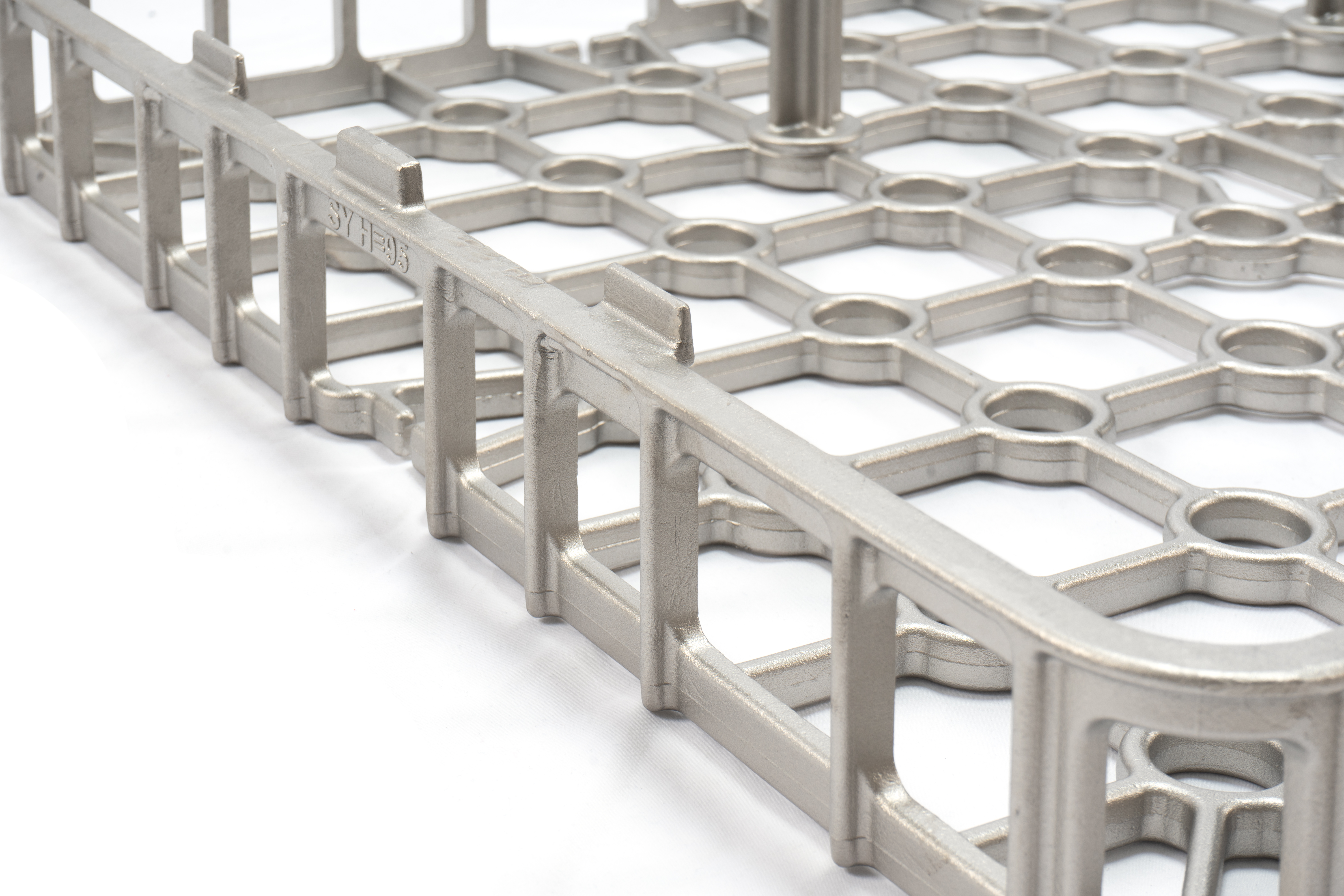
Custom heat treatment basket design represents a critical engineering consideration for manufacturers seeking to optimize thermal processing operations across diverse industrial applications. Understanding the fundamental design principles, material selection criteria, and operational requirements enables engineers to create effective solutions that maximize both product quality and production efficiency. The complexity of modern heat treatment processes demands specialized fixtures that can withstand extreme temperatures while ensuring uniform heat distribution throughout the workload.
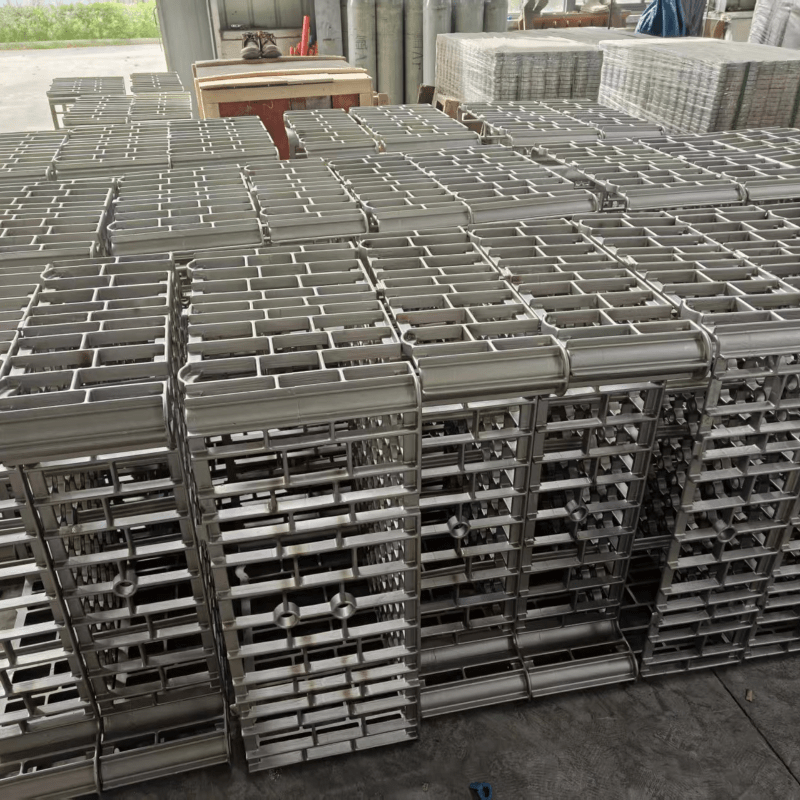
The engineering specifications for a custom heat treatment basket must address multiple technical factors including thermal conductivity, structural integrity under cyclic heating, and compatibility with specific furnace environments. Each application presents unique challenges that require careful analysis of part geometry, processing temperatures, atmosphere conditions, and production volume requirements. Successful heat treatment basket design integrates these variables to deliver reliable performance across extended operational cycles while maintaining dimensional stability and surface quality standards.
Essential Design Parameters for Heat Treatment Baskets
Material Selection and Thermal Properties
The foundation of effective heat treatment basket design begins with selecting appropriate materials that can withstand the specific thermal and chemical conditions of the intended application. High-temperature alloys such as Inconel, Hastelloy, and various stainless steel grades offer different combinations of oxidation resistance, thermal expansion characteristics, and mechanical strength retention at elevated temperatures. The choice of material directly impacts the heat treatment basket performance and longevity in production environments.
Thermal conductivity considerations play a crucial role in determining how effectively the heat treatment basket transfers thermal energy to the workpieces. Materials with higher thermal conductivity promote more rapid and uniform heating, reducing cycle times and improving temperature consistency across the load. However, the thermal expansion coefficient must also be carefully evaluated to prevent distortion or cracking during repeated heating and cooling cycles that could compromise the structural integrity of the heat treatment basket.
Oxidation resistance becomes particularly important for heat treatment baskets operating in air atmospheres or other oxidizing environments at high temperatures. The formation of protective oxide layers helps maintain surface integrity and prevents material degradation over extended service periods. Understanding the oxidation behavior of candidate materials under specific operating conditions ensures optimal material selection for long-term reliability of the heat treatment basket system.
Structural Configuration and Load Distribution
The structural design of a heat treatment basket must accommodate the specific geometry and weight distribution of the parts being processed while maintaining adequate strength and stability throughout the thermal cycle. Load distribution analysis helps determine optimal support point locations and structural member sizing to prevent sagging, warping, or failure under operational loads. The heat treatment basket configuration should minimize stress concentrations while providing unrestricted gas flow around all workpieces.
Mesh density and opening size directly influence both the mechanical strength and thermal performance of the heat treatment basket. Finer mesh patterns provide better support for small components but may restrict gas circulation and create temperature gradients across the load. Conversely, larger openings improve heat transfer efficiency but require careful consideration of part support and positioning to prevent movement or distortion during processing.
The integration of reinforcing structures within the heat treatment basket design helps maintain dimensional stability under high-temperature conditions while accommodating thermal expansion. Strategic placement of reinforcing ribs, cross-bracing, or support frames distributes loads effectively and prevents localized deformation that could affect part quality or processing uniformity.
Manufacturing Processes and Construction Methods
Welding Techniques and Joint Design
The construction methodology for custom heat treatment baskets significantly impacts both initial performance and long-term durability under cyclic thermal loading. Welding techniques must be selected based on the base material properties, joint configuration requirements, and the need to maintain structural integrity at operating temperatures. Gas tungsten arc welding typically provides superior control over heat input and weld quality for thin-section heat treatment basket components.
Joint design considerations include the selection of appropriate weld joint types that minimize stress concentrations while providing adequate strength for the intended loading conditions. Full penetration welds offer maximum strength but require careful control of welding parameters to prevent distortion in thin-section heat treatment basket assemblies. Fillet welds may be more appropriate for certain applications where access limitations or thermal distortion concerns dictate the construction approach.
Post-weld heat treatment often becomes necessary to relieve residual stresses and restore optimal material properties in the heat-affected zones of welded heat treatment basket assemblies. The stress relief procedures must be compatible with the intended service conditions and should not compromise the dimensional accuracy or surface finish requirements of the completed fixture.
Casting and Machining Integration
Cast components offer advantages for complex geometries or applications requiring superior dimensional stability in heat treatment basket designs. Investment casting processes enable the production of intricate shapes with excellent surface finish and dimensional accuracy, reducing the need for extensive machining operations. The integration of cast and welded components allows designers to optimize each element for its specific function within the overall heat treatment basket assembly.
Machining operations on heat treatment basket components require careful consideration of material work-hardening characteristics and thermal properties. Conventional machining techniques may need modification for high-temperature alloys, and tooling selection becomes critical for maintaining dimensional accuracy and surface quality. The machining sequence should minimize residual stresses that could lead to distortion during subsequent thermal processing.
Quality control procedures throughout the manufacturing process ensure that completed heat treatment basket assemblies meet all dimensional, mechanical, and surface quality requirements. Dimensional verification, weld inspection, and material certification provide confidence in the performance capabilities of the finished fixture under operational conditions.
Application-Specific Design Considerations
Furnace Compatibility and Handling Requirements
The design of custom heat treatment baskets must account for the specific characteristics of the furnace systems in which they will operate, including loading mechanisms, atmosphere composition, and temperature uniformity requirements. Furnace door clearances, lifting attachment points, and overall envelope dimensions determine the maximum size and configuration options for the heat treatment basket design. Understanding these constraints early in the design process prevents costly modifications or operational difficulties.
Handling system compatibility affects both the design features and structural requirements of heat treatment baskets intended for automated or semi-automated operations. Robotic handling systems may require specific attachment points, weight distribution considerations, or geometric features that enable reliable gripping and positioning. Manual handling applications demand different design approaches focused on operator safety and ergonomic considerations.
Atmosphere compatibility considerations become critical for heat treatment baskets operating in controlled atmosphere furnaces or vacuum systems. Material selection and joint design must accommodate the specific chemical environment while preventing contamination of either the workpieces or the furnace atmosphere. Gas flow patterns around the heat treatment basket should promote uniform atmosphere circulation without creating dead zones or concentration gradients.
Part Configuration and Processing Requirements
The geometry and arrangement of parts within a heat treatment basket directly influence the thermal processing effectiveness and final quality results. Part spacing requirements depend on the specific heat treatment process, material properties, and quality specifications for the finished components. Adequate clearances ensure uniform heating while preventing contact between parts that could cause surface marking or distortion.
Support point design becomes particularly important for parts susceptible to distortion during thermal processing. The heat treatment basket must provide adequate support without creating excessive constraint that could lead to cracking or residual stress development. Strategic placement of support elements helps maintain part geometry while allowing for thermal expansion and contraction during the processing cycle.
Loading and unloading efficiency considerations affect both productivity and part quality in production heat treatment operations. The heat treatment basket design should facilitate rapid and accurate part placement while minimizing the potential for damage during handling operations. Clear visual access and logical part arrangement contribute to consistent loading patterns and reduced cycle times.
Performance Optimization and Maintenance
Thermal Cycling Durability
The long-term performance of heat treatment baskets depends heavily on their ability to withstand repeated thermal cycling without dimensional change, cracking, or other forms of degradation. Thermal fatigue resistance becomes a primary design consideration for fixtures subjected to frequent temperature excursions or rapid heating and cooling rates. Material selection and structural design must account for the cumulative effects of thermal stress over the expected service life.
Predictive maintenance strategies for heat treatment baskets involve regular inspection for signs of distortion, cracking, or surface degradation that could affect performance or part quality. Dimensional verification at regular intervals helps identify gradual changes that might compromise processing consistency. Early detection of potential problems enables proactive replacement or repair before quality issues develop.
Service life extension techniques may include periodic stress relief treatments, surface reconditioning, or component replacement programs that maintain optimal performance characteristics. Understanding the failure modes specific to each heat treatment basket application enables the development of appropriate maintenance procedures and replacement schedules.
Quality Assurance and Process Control
The integration of quality assurance procedures throughout the heat treatment basket design and manufacturing process ensures consistent performance and reliability in production applications. Design validation through prototype testing verifies that the completed fixture meets all performance requirements under actual operating conditions. This validation process should include thermal cycling tests, load capacity verification, and dimensional stability assessments.
Process control measures during heat treatment basket manufacturing include material traceability, welding procedure qualification, and comprehensive inspection protocols. Documentation of all manufacturing steps provides a complete record for quality assurance purposes and enables troubleshooting if performance issues develop during service. Standardized manufacturing procedures help ensure consistency across multiple heat treatment basket production runs.
Performance monitoring during production use provides feedback for continuous improvement of heat treatment basket designs and manufacturing processes. Tracking of service life, failure modes, and maintenance requirements helps refine design criteria for future applications and optimize replacement scheduling for existing fixtures.
FAQ
What materials are most commonly used for custom heat treatment basket construction?
The most commonly used materials for heat treatment basket construction include various grades of stainless steel, particularly 304, 316, and 310 stainless steel for moderate temperature applications. For higher temperature requirements, Inconel alloys, Hastelloy, and specialized high-temperature steels provide superior oxidation resistance and strength retention. The specific material selection depends on the operating temperature range, atmosphere composition, and mechanical loading requirements of the particular application.
How do you determine the appropriate mesh size and opening configuration for a heat treatment basket?
Mesh size and opening configuration for a heat treatment basket are determined by analyzing the size and geometry of the parts being processed, the required gas flow characteristics, and structural strength requirements. Smaller parts require finer mesh to prevent dropping through openings, while larger openings improve heat transfer efficiency and gas circulation. The optimal configuration balances part support requirements with thermal performance needs while maintaining adequate structural integrity under operational loads.
What are the key factors that affect the service life of custom heat treatment baskets?
The primary factors affecting heat treatment basket service life include operating temperature range, thermal cycling frequency, atmosphere composition, mechanical loading conditions, and material selection. Repeated thermal expansion and contraction create fatigue stresses that can lead to cracking or distortion over time. Oxidizing atmospheres at high temperatures cause material degradation, while mechanical overloading can cause immediate structural failure. Proper material selection, appropriate design factors, and regular maintenance significantly extend service life.
Can heat treatment baskets be repaired or refurbished when they show signs of wear?
Many heat treatment baskets can be successfully repaired or refurbished depending on the type and extent of wear or damage. Minor distortion can often be corrected through reforming operations, while localized damage may be repairable through welding and machining. However, extensive cracking, severe oxidation, or significant dimensional changes may require complete replacement. The economic viability of repair versus replacement depends on the extent of damage, material costs, and the criticality of dimensional accuracy for the specific application.
Table of Contents
- Essential Design Parameters for Heat Treatment Baskets
- Manufacturing Processes and Construction Methods
- Application-Specific Design Considerations
- Performance Optimization and Maintenance
-
FAQ
- What materials are most commonly used for custom heat treatment basket construction?
- How do you determine the appropriate mesh size and opening configuration for a heat treatment basket?
- What are the key factors that affect the service life of custom heat treatment baskets?
- Can heat treatment baskets be repaired or refurbished when they show signs of wear?