
 EN
EN

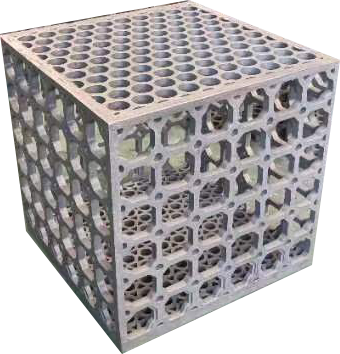
Selecting the right casting services provider represents one of the most critical decisions in manufacturing, directly impacting product quality, production timelines, and overall project success. The choice between casting services providers can determine whether your components meet stringent specifications or fall short of performance requirements. Understanding the fundamental factors that distinguish exceptional casting services from average ones empowers manufacturers to make informed decisions that align with their operational goals and quality standards.
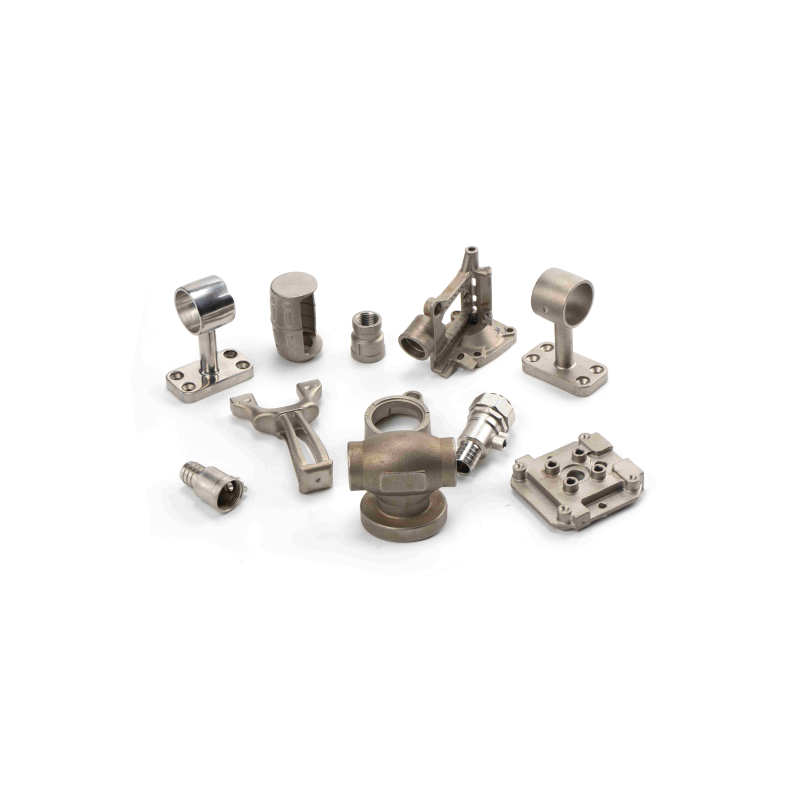
Quality casting services encompass far more than basic metal pouring capabilities, involving sophisticated material science, precision engineering, and rigorous quality control processes. The evaluation criteria for casting services providers must address technical competency, production capacity, quality assurance protocols, material expertise, and long-term partnership potential. These five key factors serve as the foundation for identifying casting services that deliver consistent results while supporting your manufacturing objectives and competitive positioning in the marketplace.
Technical Expertise and Process Capabilities
Advanced Casting Technologies
Superior casting services distinguish themselves through mastery of multiple casting technologies, including sand casting, investment casting, die casting, and centrifugal casting processes. The breadth of technical capabilities indicates a provider's ability to recommend optimal manufacturing approaches for specific component requirements. Experienced casting services teams understand the nuances between different processes, enabling them to select methodologies that maximize material properties while minimizing production costs and lead times.
Modern casting services incorporate advanced simulation software to predict material flow, solidification patterns, and potential defect formation before physical production begins. This computational approach reduces trial-and-error iterations and enhances first-time quality rates. Providers who invest in digital modeling capabilities demonstrate commitment to precision and efficiency, characteristics that translate directly into superior component outcomes and reduced project risks.
Material Science Knowledge
Exceptional casting services providers possess deep understanding of metallurgy, alloy composition, and material behavior under various operating conditions. This expertise enables accurate material selection recommendations based on application requirements, environmental factors, and performance specifications. Knowledgeable casting services teams can identify potential material incompatibilities before production, preventing costly redesigns and ensuring long-term component reliability.
The ability to work with diverse material families, from traditional carbon steels to specialized superalloys, reflects the technical depth of casting services organizations. Providers who maintain expertise across multiple material categories offer greater flexibility in component design and can support evolving product requirements without necessitating vendor changes. This versatility becomes particularly valuable when developing products for demanding applications or emerging market segments.
Engineering Support Capabilities
Quality casting services extend beyond manufacturing execution to include comprehensive engineering support throughout product development cycles. This support encompasses design optimization recommendations, manufacturability assessments, and process parameter development. Casting services providers who offer robust engineering collaboration help identify opportunities for cost reduction, quality improvement, and production simplification during early design phases.
The integration of design for manufacturing principles into casting services ensures that component geometries align with process capabilities while maintaining functional requirements. Experienced providers can suggest design modifications that enhance castability without compromising performance, resulting in more reliable production processes and improved component consistency. This collaborative approach establishes casting services as strategic partners rather than simple manufacturing vendors.
Quality Assurance and Certification Standards
Quality Management Systems
Robust quality management systems form the backbone of reliable casting services, providing systematic approaches to process control, documentation, and continuous improvement. ISO 9001 certification represents the minimum standard for quality-focused casting services, while industry-specific certifications like AS9100 for aerospace or ISO/TS 16949 for automotive demonstrate specialized competency in regulated markets. These certifications indicate structured approaches to quality planning, implementation, and verification.
Advanced casting services implement statistical process control methodologies to monitor critical parameters throughout production cycles. Real-time data collection and analysis enable proactive adjustments before quality deviations occur, maintaining consistent output quality and reducing waste. Providers who demonstrate mastery of lean manufacturing principles and Six Sigma methodologies typically deliver superior quality performance while optimizing production efficiency.
Testing and Inspection Capabilities
Comprehensive testing capabilities distinguish professional casting services from basic production facilities, encompassing dimensional verification, material property validation, and non-destructive testing methods. State-of-the-art coordinate measuring machines, spectrometers, and tensile testing equipment enable thorough component characterization and compliance verification. The availability of advanced inspection technologies reduces dependency on external testing services and accelerates delivery timelines.
Non-destructive testing capabilities, including radiographic examination, magnetic particle inspection, and ultrasonic testing, allow casting services to identify internal defects without compromising component integrity. These capabilities become essential for critical applications where component failure could result in safety hazards or significant economic consequences. Providers who maintain comprehensive NDT capabilities demonstrate commitment to thorough quality verification and risk mitigation.
Traceability and Documentation
Effective traceability systems within casting services enable complete component genealogy tracking from raw material receipt through final delivery. This capability supports quality investigations, regulatory compliance requirements, and product liability management. Sophisticated casting services maintain digital records that link specific components to material certifications, process parameters, inspection results, and operator qualifications.
Documentation quality reflects the professionalism and reliability of casting services organizations, with comprehensive material certifications, dimensional reports, and process documentation supporting customer requirements and regulatory compliance. Providers who invest in robust documentation systems demonstrate understanding of customer needs and regulatory obligations while supporting long-term partnership success.
Production Capacity and Scalability
Manufacturing Volume Capabilities
Production capacity alignment represents a critical factor when selecting casting services, as mismatched capabilities can result in delivery delays, quality compromises, or excessive costs. Providers must demonstrate ability to handle current volume requirements while maintaining quality standards and meeting delivery commitments. Understanding the relationship between production volume and quality consistency helps identify casting services that can support both prototype and production requirements.
Scalability considerations extend beyond current needs to encompass future growth projections and market expansion plans. Casting services providers who can accommodate volume increases without significant lead time extensions or quality degradation offer strategic advantages for growing businesses. The ability to scale production efficiently while maintaining cost competitiveness becomes particularly important in dynamic market environments where demand fluctuations are common.
Equipment and Infrastructure
Modern equipment and well-maintained infrastructure indicate the operational sophistication and reliability of casting services providers. State-of-the-art furnaces, molding equipment, and finishing capabilities enable consistent quality delivery while supporting efficient production cycles. Investment in equipment upgrades and maintenance programs reflects provider commitment to operational excellence and long-term service capability.
Redundancy in critical equipment systems ensures casting services can maintain production continuity despite equipment failures or maintenance requirements. Providers who maintain backup capabilities for essential processes demonstrate understanding of customer delivery commitments and operational risk management. This redundancy becomes particularly valuable when supporting just-in-time manufacturing strategies or tight project schedules.
Supply Chain Integration
Effective supply chain management within casting services encompasses raw material sourcing, inventory management, and supplier qualification processes. Established relationships with material suppliers enable consistent quality and availability while supporting competitive pricing structures. Casting services providers who maintain strategic supplier partnerships can better navigate material shortages and market volatility while protecting customer interests.
Integration with customer supply chain systems, including electronic data interchange and inventory management coordination, streamlines ordering processes and improves delivery predictability. Advanced casting services offer supply chain visibility tools that enable customers to monitor production progress and delivery schedules in real-time. This transparency supports better planning and coordination while building trust between partners.
Cost Structure and Value Proposition
Pricing Transparency and Competitiveness
Transparent pricing structures from casting services providers enable accurate cost comparisons and budget planning while avoiding unexpected charges or scope creep. Comprehensive quotations should clearly delineate material costs, processing fees, tooling expenses, and any additional services required for complete component delivery. This transparency facilitates informed decision-making and establishes clear expectations for project costs.
Competitive pricing analysis must consider total cost of ownership rather than simply initial component costs, incorporating quality-related expenses, delivery reliability, and service support value. Casting services that offer competitive base pricing while maintaining superior quality and service levels typically provide better long-term value than low-cost providers with quality or service limitations. The balance between cost and value requires careful evaluation of provider capabilities against project requirements.
Value-Added Services
Comprehensive casting services extend beyond basic manufacturing to include secondary operations, finishing services, and assembly capabilities that reduce supply chain complexity and total project costs. Services such as machining, heat treatment, surface coating, and quality inspection consolidate supplier relationships while improving coordination and delivery schedules. These integrated capabilities often provide cost advantages compared to managing multiple specialized vendors.
Engineering and design support services add significant value by optimizing component designs for manufacturability and cost-effectiveness. Casting services providers who offer design review, simulation analysis, and process optimization consultation help identify opportunities for improvement that benefit both quality and cost objectives. This collaborative approach transforms casting services from simple vendors into strategic development partners.
Long-Term Partnership Economics
Sustainable cost structures within casting services relationships consider volume commitments, long-term agreements, and continuous improvement opportunities that benefit both parties. Providers who offer volume-based pricing incentives and collaborative cost reduction programs demonstrate commitment to partnership success rather than transactional relationships. These arrangements often result in better pricing stability and improved service levels over time.
Investment in customer-specific tooling, processes, and quality systems represents significant commitment from casting services providers while creating switching costs that support long-term relationships. Understanding the economics of these investments helps evaluate provider commitment levels and relationship sustainability. Providers willing to make customer-specific investments typically offer better long-term partnership potential and service continuity.
Communication and Project Management Excellence
Responsiveness and Accessibility
Effective communication represents a fundamental characteristic of quality casting services, encompassing responsiveness to inquiries, proactive project updates, and accessibility of technical expertise when issues arise. Prompt response times to technical questions, quotation requests, and problem resolution demonstrate organizational competency and customer service commitment. These communication qualities become particularly important during project development phases and production ramp-up periods.
Accessibility to experienced technical personnel enables rapid resolution of design questions, process optimization opportunities, and quality concerns that arise during production cycles. Casting services providers who maintain dedicated customer support teams with appropriate technical backgrounds can address complex issues more effectively than organizations with limited customer interface capabilities. This technical accessibility supports smoother project execution and faster problem resolution.
Project Management Capabilities
Structured project management approaches within casting services ensure coordinated execution of complex projects while maintaining visibility into progress, risks, and deliverable schedules. Professional project management includes detailed planning, milestone tracking, risk identification, and stakeholder communication protocols that support successful project outcomes. These capabilities become essential when managing projects with multiple components, tight deadlines, or complex technical requirements.
Integration of project management tools and customer communication systems enables real-time project visibility and collaborative problem-solving when issues arise. Advanced casting services provide customers with access to project dashboards, delivery schedules, and quality metrics that support better planning and coordination. This transparency builds trust while enabling proactive management of potential issues before they impact project success.
Technical Support and Collaboration
Ongoing technical support from casting services extends beyond initial component delivery to include application assistance, performance optimization, and continuous improvement collaboration. Providers who maintain long-term technical relationships with customers can offer insights into component performance, design optimization opportunities, and process improvements that benefit future projects. This ongoing support creates value that extends well beyond individual transactions.
Collaborative improvement programs between customers and casting services providers identify opportunities for cost reduction, quality enhancement, and delivery optimization through shared expertise and resources. These partnerships often yield innovations that benefit both organizations while strengthening competitive positioning in the marketplace. The willingness to engage in collaborative improvement initiatives indicates provider commitment to long-term partnership success.
FAQ
How do I evaluate the quality capabilities of different casting services providers?
Evaluate casting services quality capabilities by reviewing their certifications, inspection equipment, and quality management systems documentation. Request facility tours to observe equipment condition, cleanliness, and organizational practices firsthand. Ask for references from existing customers with similar applications and review sample components or case studies that demonstrate their quality achievement. Verify their testing capabilities match your component requirements and ensure they maintain appropriate certifications for your industry or application.
What should I expect in terms of lead times from professional casting services?
Professional casting services typically require 2-4 weeks for prototype components and 4-8 weeks for production quantities, depending on complexity and volume requirements. Lead times vary significantly based on material availability, tooling requirements, and current production schedules. Quality casting services providers should provide realistic timelines during quotation and maintain communication about any potential delays. Emergency or expedited services may be available at premium pricing for urgent requirements.
How important is geographic proximity when selecting casting services?
Geographic proximity offers advantages in communication, shipping costs, and emergency support but should not override quality and capability considerations when selecting casting services. Local providers enable easier facility visits, faster prototype delivery, and reduced transportation costs for heavy components. However, the best casting services provider for your specific requirements may not be geographically close, and modern communication tools can effectively manage remote relationships. Balance proximity benefits against technical capabilities, quality performance, and total project costs.
What red flags should I watch for when evaluating potential casting services partners?
Watch for red flags including reluctance to provide facility tours, lack of proper certifications for your industry, poor communication responsiveness, and unwillingness to provide customer references. Be cautious of casting services providers who cannot demonstrate appropriate testing capabilities, maintain inadequate documentation systems, or show evidence of poor housekeeping and organization. Extremely low pricing compared to other qualified providers may indicate quality compromises or unsustainable business practices that could impact long-term service reliability.
Table of Contents
- Technical Expertise and Process Capabilities
- Quality Assurance and Certification Standards
- Production Capacity and Scalability
- Cost Structure and Value Proposition
- Communication and Project Management Excellence
-
FAQ
- How do I evaluate the quality capabilities of different casting services providers?
- What should I expect in terms of lead times from professional casting services?
- How important is geographic proximity when selecting casting services?
- What red flags should I watch for when evaluating potential casting services partners?