
 EN
EN

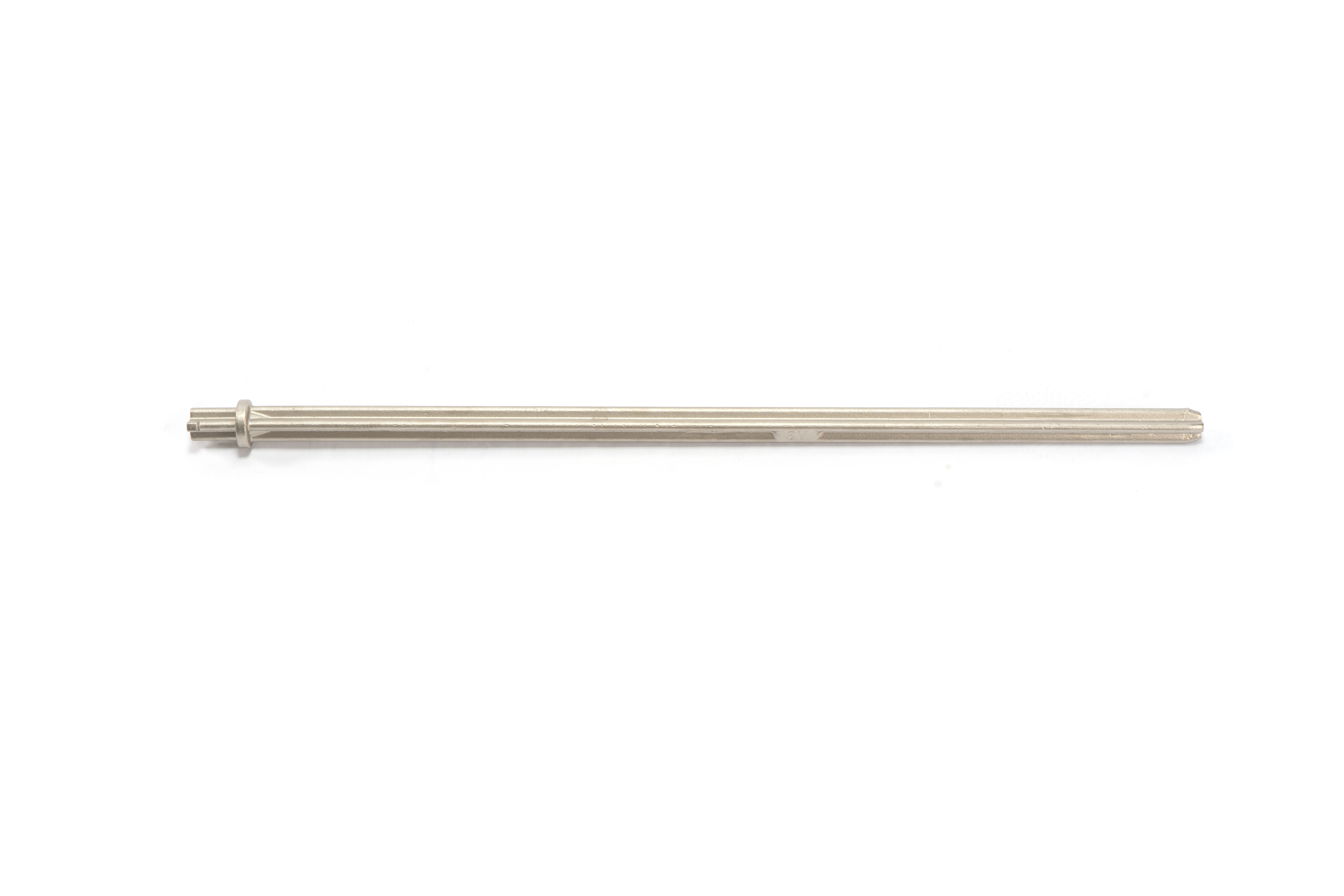
Industrial heat treatment operations depend heavily on durable and reliable equipment to maintain consistent processing standards. Among the most critical components in these operations is the heat treatment basket, which serves as the primary vessel for holding components during thermal processing cycles. Understanding how to maximize the operational lifespan of these essential tools can significantly impact both production efficiency and operational costs across manufacturing facilities.
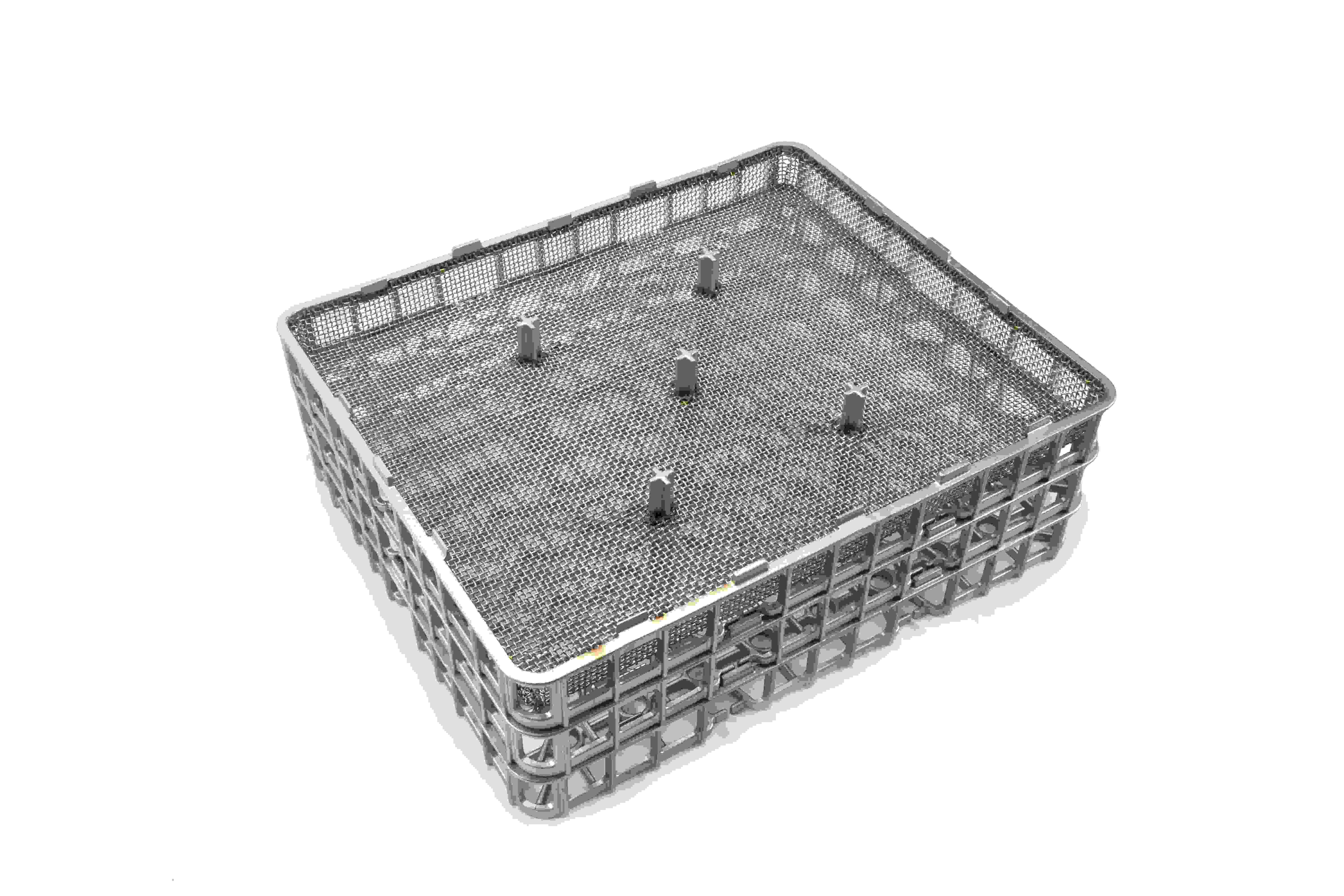
The longevity of heat treatment baskets directly correlates with operational efficiency, maintenance costs, and overall production quality. When properly maintained, these specialized containers can withstand thousands of thermal cycles while maintaining their structural integrity and dimensional stability. This comprehensive approach to basket maintenance ensures consistent heat distribution patterns and prevents costly production interruptions that result from equipment failure.
Material Selection and Design Considerations
High-Temperature Alloy Properties
The foundation of any long-lasting heat treatment basket begins with appropriate material selection. Stainless steel grades such as 310SS, 330SS, and specialized heat-resistant alloys provide superior oxidation resistance at elevated temperatures. These materials maintain their mechanical properties even when subjected to repeated thermal cycling between ambient and processing temperatures exceeding 2000°F.
Chromium content plays a crucial role in determining oxidation resistance, with higher chromium percentages providing enhanced protection against scale formation. Nickel content contributes to thermal shock resistance and helps maintain ductility at high temperatures. Understanding these material characteristics enables operators to select the most appropriate heat treatment basket configuration for their specific processing requirements.
Structural Design Optimization
Basket geometry significantly influences thermal stress distribution during heating and cooling cycles. Well-designed baskets incorporate features that accommodate thermal expansion while minimizing stress concentrations at critical joints and corners. Proper wire spacing and basket depth ensure adequate air circulation while maintaining structural stability under load conditions.
Fabrication techniques such as welded joints versus mechanical connections affect long-term durability under thermal cycling conditions. Continuous welds provide superior strength but may create stress concentration points if not properly executed. Understanding these design principles helps operators identify potential failure points and implement preventive maintenance strategies accordingly.
Proper Loading Techniques and Weight Distribution
Component Arrangement Strategies
Optimal loading practices significantly extend heat treatment basket service life by minimizing mechanical stress and ensuring uniform heat distribution. Components should be arranged to prevent point loading conditions that can cause basket deformation or wire breakage. Distributing weight evenly across the basket structure reduces stress concentrations and prevents premature failure of individual support elements.
Understanding component geometry and orientation helps operators maximize basket utilization while maintaining structural integrity. Sharp edges or protruding features should be positioned to avoid direct contact with basket wires, preventing localized wear and potential perforation. This careful attention to loading configuration protects both the processed components and the heat treatment basket from damage during thermal processing.
Weight Capacity Management
Operating within specified weight limits prevents mechanical failure and extends basket service life considerably. Overloading conditions create excessive stress on support structures and can lead to permanent deformation or catastrophic failure during high-temperature exposure. Regular weight verification ensures compliance with manufacturer specifications and maintains safe operating conditions.
Dynamic loading considerations include thermal expansion effects on both the basket structure and processed components. Materials expand at different rates, creating additional stresses that must be accommodated within the basket design parameters. Understanding these thermal effects helps operators adjust loading practices to minimize stress accumulation during processing cycles.
Temperature Control and Thermal Cycling Management
Heating Rate Optimization
Controlled heating rates reduce thermal shock and minimize stress accumulation within heat treatment basket structures. Rapid temperature changes create differential expansion between basket components, potentially leading to warping, cracking, or joint failure. Implementing gradual heating protocols allows thermal equilibrium to develop throughout the basket structure, reducing mechanical stress.
Understanding the relationship between heating rates and material properties enables operators to develop optimal thermal profiles for their specific basket configurations. Different alloys respond differently to thermal cycling, requiring customized approaches to maximize service life while maintaining processing efficiency.
Cooling Protocol Development
Controlled cooling practices are equally important for maintaining heat treatment basket integrity over extended service periods. Rapid quenching operations create significant thermal gradients that can cause permanent deformation or cracking in basket structures. Implementing staged cooling protocols reduces these thermal stresses while maintaining required metallurgical properties in processed components.
Air circulation patterns during cooling affect temperature uniformity and stress distribution within the basket structure. Proper furnace ventilation ensures consistent cooling rates across all basket sections, preventing localized stress concentrations that can lead to premature failure. These cooling considerations become particularly important in high-volume production environments where baskets undergo frequent thermal cycling.
Routine Maintenance and Inspection Procedures
Visual Inspection Protocols
Regular visual inspections identify potential problems before they result in basket failure or production disruptions. Systematic examination of weld joints, wire intersections, and support structures reveals early signs of stress cracking, oxidation, or mechanical wear. Documenting inspection results creates valuable maintenance records that help predict replacement schedules and optimize procurement planning.
Key inspection points include areas subject to high stress concentrations, such as corner joints and load-bearing connections. Identifying surface oxidation patterns helps operators understand thermal distribution characteristics and adjust processing parameters if necessary. These inspection protocols become particularly valuable for heat treatment basket operations in demanding production environments.
Preventive Maintenance Strategies
Proactive maintenance approaches significantly extend basket service life while reducing unexpected downtime costs. Regular cleaning procedures remove accumulated scale and deposits that can accelerate corrosion or create hot spots during thermal processing. Implementing standardized maintenance schedules ensures consistent basket condition across production operations.
Repair techniques for minor basket damage can restore structural integrity and extend service life when properly executed. Understanding which repairs are feasible and which conditions require basket replacement helps optimize maintenance costs while maintaining safety standards. These maintenance considerations become critical factors in overall production cost management strategies.
Environmental Factors and Storage Considerations
Atmosphere Control Impact
Processing atmosphere composition significantly affects heat treatment basket longevity through its influence on oxidation rates and scale formation. Controlled atmosphere furnaces reduce oxidative attack on basket materials, extending service life considerably compared to air atmosphere operations. Understanding the relationship between atmosphere composition and material degradation helps operators optimize processing conditions.
Protective atmospheres containing reducing gases can actually improve basket condition by preventing oxidation and scale buildup. However, some atmospheres may promote carburization or other metallurgical changes that affect basket properties. Balancing these atmospheric effects requires careful consideration of both component processing requirements and basket material characteristics.
Proper Storage Techniques
Appropriate storage conditions protect heat treatment basket integrity during periods of non-use and prevent contamination that could affect subsequent processing operations. Climate-controlled storage areas prevent moisture accumulation that can accelerate corrosion, particularly in facilities with high humidity levels. Clean, organized storage systems also prevent physical damage from handling accidents or environmental contamination.
Storage positioning affects basket geometry and prevents permanent deformation under gravitational loads. Supporting baskets properly during storage maintains their dimensional accuracy and prevents stress concentrations that could lead to failure during subsequent thermal cycling. These storage considerations become particularly important for facilities maintaining large inventories of specialized baskets.
Cost-Benefit Analysis and Replacement Planning
Economic Impact Assessment
Understanding the total cost of ownership for heat treatment basket operations enables informed decisions about maintenance investments versus replacement timing. Direct costs include initial purchase price, maintenance expenses, and replacement frequency, while indirect costs encompass production downtime, quality impacts, and safety considerations. Developing comprehensive cost models helps optimize basket management strategies.
Productivity impacts from basket condition affect overall operational efficiency and must be factored into economic analyses. Degraded baskets may require longer processing cycles, reduced loading capacities, or increased quality control measures. These operational impacts often exceed direct replacement costs, making proactive basket management strategies economically advantageous.
Replacement Timing Optimization
Strategic replacement scheduling maximizes heat treatment basket utilization while minimizing operational disruptions. Understanding failure patterns and degradation rates enables predictive replacement strategies that prevent unexpected downtime. Maintaining adequate spare inventory balances carrying costs against operational flexibility requirements.
Performance monitoring systems track key indicators such as thermal cycling counts, loading history, and maintenance records to predict remaining service life. These data-driven approaches optimize replacement timing and help justify maintenance investments. Advanced facilities may implement condition-based maintenance programs that extend basket service life while maintaining operational reliability.
FAQ
How often should heat treatment baskets be inspected for optimal performance
Heat treatment baskets should undergo visual inspection after every 50-100 thermal cycles, depending on operating temperature and processing conditions. High-temperature operations above 1800°F may require more frequent inspections, while lower temperature applications can extend inspection intervals. Critical inspection points include weld joints, support structures, and areas showing signs of oxidation or mechanical wear. Documenting inspection results helps establish baseline degradation rates and optimize future inspection schedules based on actual operating experience.
What are the most common causes of premature heat treatment basket failure
The primary causes of premature basket failure include overloading beyond design capacity, excessive thermal shock from rapid heating or cooling, and inadequate material selection for specific processing conditions. Mechanical damage from improper handling or contact with sharp components also contributes significantly to reduced service life. Poor maintenance practices, such as allowing scale buildup or ignoring early signs of stress cracking, accelerate degradation and lead to unexpected failures during critical production periods.
Can damaged heat treatment baskets be repaired or should they always be replaced
Minor damage such as small wire breaks or localized oxidation can often be repaired using appropriate welding techniques and compatible materials. However, repairs should only be attempted by qualified personnel familiar with high-temperature alloy welding procedures. Extensive damage, structural deformation, or cracking in critical load-bearing areas typically requires complete basket replacement. The decision between repair and replacement should consider safety factors, remaining service life expectations, and comparative costs of each option.
How do different furnace atmospheres affect heat treatment basket longevity
Furnace atmosphere composition dramatically impacts basket service life through its effects on oxidation rates and surface reactions. Air atmospheres promote rapid oxidation and scale formation, while controlled atmospheres containing nitrogen or argon significantly reduce these degradation mechanisms. Reducing atmospheres with hydrogen or carbon monoxide can actually improve basket condition by preventing oxidation, though they may promote other reactions such as carburization. Understanding these atmospheric effects helps optimize processing parameters to maximize both component quality and basket longevity.
Table of Contents
- Material Selection and Design Considerations
- Proper Loading Techniques and Weight Distribution
- Temperature Control and Thermal Cycling Management
- Routine Maintenance and Inspection Procedures
- Environmental Factors and Storage Considerations
- Cost-Benefit Analysis and Replacement Planning
-
FAQ
- How often should heat treatment baskets be inspected for optimal performance
- What are the most common causes of premature heat treatment basket failure
- Can damaged heat treatment baskets be repaired or should they always be replaced
- How do different furnace atmospheres affect heat treatment basket longevity