
 EN
EN

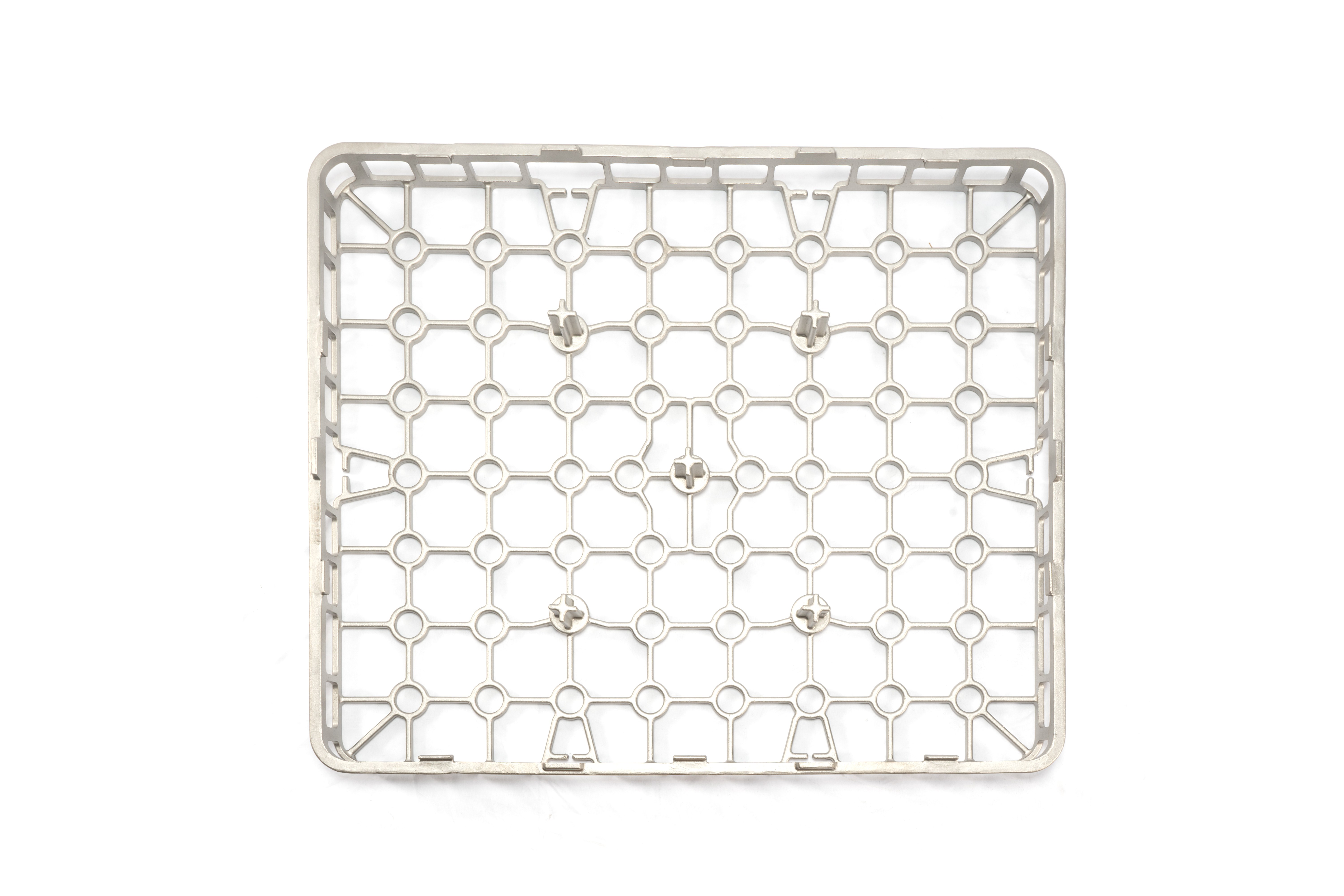
Heat treatment processes are critical to achieving desired material properties in manufacturing operations, and the equipment used directly impacts the quality and consistency of results. A properly maintained heat treatment basket ensures optimal performance, extends service life, and prevents costly production delays. Understanding the fundamentals of basket maintenance helps operators achieve superior outcomes while minimizing operational expenses and safety risks.
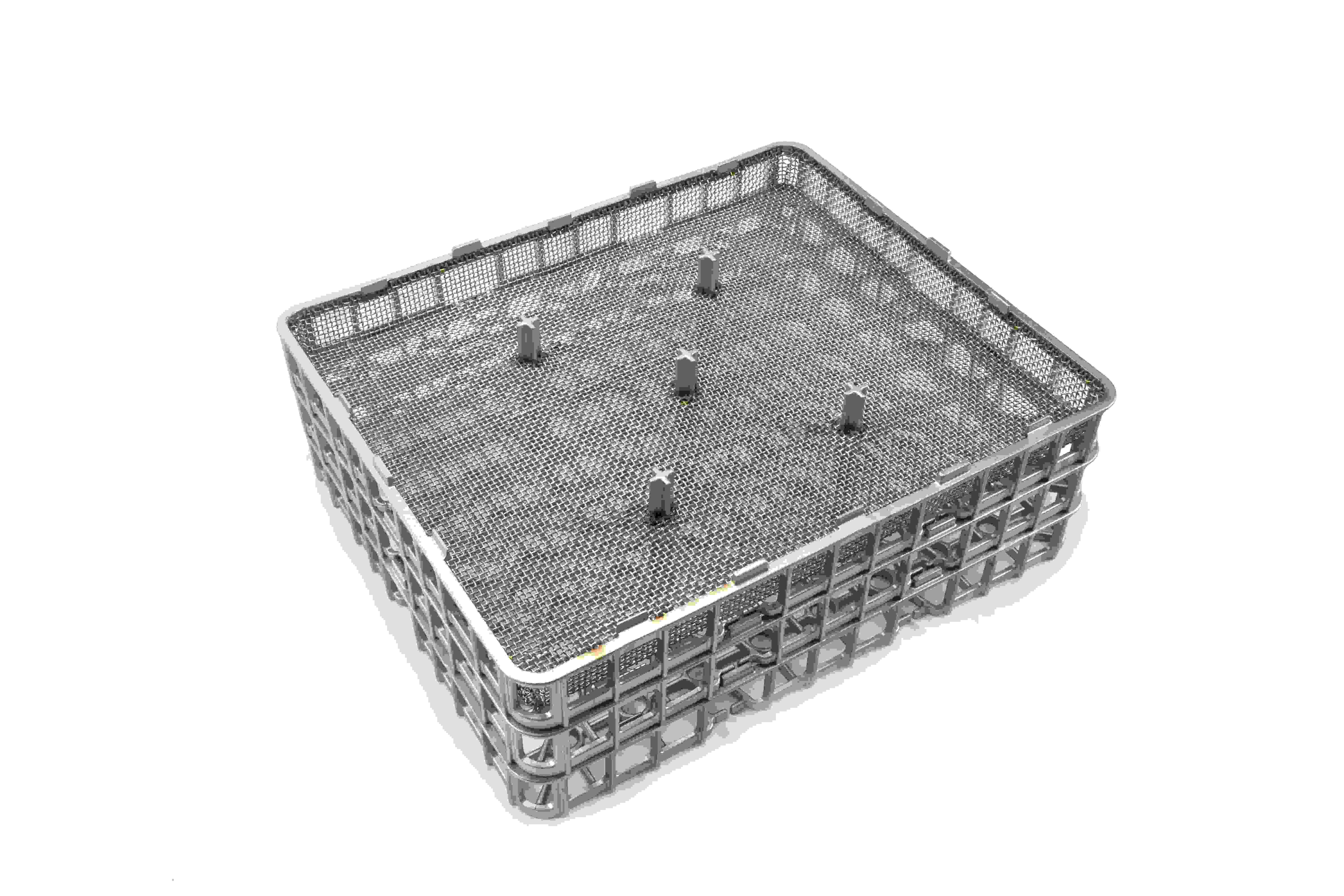
Industrial heat treatment operations depend heavily on specialized equipment designed to withstand extreme temperatures and harsh operating conditions. These baskets must maintain structural integrity while supporting heavy loads of components during heating and cooling cycles. Proper maintenance protocols become essential for preventing premature failure, ensuring consistent heat distribution, and maintaining product quality standards throughout the manufacturing process.
Manufacturing facilities across various industries rely on these essential components for processing everything from automotive parts to aerospace components. The investment in quality maintenance practices pays dividends through extended equipment life, reduced downtime, and improved operational efficiency. Developing comprehensive maintenance strategies requires understanding both the technical aspects of basket construction and the operational demands of specific heat treatment applications.
Essential Inspection Techniques for Heat Treatment Equipment
Visual Assessment Protocols
Regular visual inspections form the foundation of effective heat treatment basket maintenance programs. Operators should examine basket surfaces for signs of oxidation, scaling, or structural deformation that could compromise performance. Look for discoloration patterns that indicate uneven heating, cracks in weld joints, or warping of support structures that affect load distribution capabilities.
Document all findings with photographs and detailed notes to track degradation patterns over time. Pay particular attention to high-stress areas such as corner joints, handle attachments, and load-bearing surfaces where failure typically initiates. Create inspection checklists specific to each heat treatment basket design to ensure consistent evaluation procedures across different operators and shifts.
Establish baseline conditions for new equipment to facilitate comparison during subsequent inspections. This approach enables early detection of developing issues before they progress to critical failure points. Maintain detailed records of inspection results, repair actions, and replacement schedules to optimize maintenance planning and budget allocation.
Dimensional Measurement Standards
Precise dimensional measurements reveal subtle changes in heat treatment basket geometry that visual inspections might miss. Use calibrated measuring tools to check critical dimensions such as basket height, width, depth, and internal clearances. Monitor these parameters regularly to detect thermal expansion effects, permanent deformation, or material creep that develops over extended service periods.
Thermal cycling causes gradual changes in basket dimensions that affect load capacity and heat circulation patterns. Establish tolerance limits for acceptable dimensional variations based on manufacturer specifications and operational requirements. When measurements exceed predetermined limits, schedule corrective maintenance before performance degradation affects product quality or process efficiency.
Document measurement results in maintenance logs alongside operational parameters such as maximum temperatures, cycle counts, and load weights. This data helps identify correlations between operating conditions and dimensional changes, enabling more accurate service life predictions and maintenance scheduling optimization.
Material-Specific Maintenance Approaches
Stainless Steel Basket Care
Stainless steel heat treatment basket designs offer excellent corrosion resistance and mechanical properties for demanding applications. However, they require specific maintenance approaches to preserve their protective oxide layers and prevent sensitization at elevated temperatures. Regular cleaning with appropriate solvents removes process residues that could accelerate corrosion or create localized heating problems during subsequent cycles.
Avoid using chloride-containing cleaning agents or abrasive materials that damage the passive surface layer. Instead, utilize specialized stainless steel cleaners or mild acid solutions followed by thorough rinsing with deionized water. Passivation treatments may be necessary after extensive cleaning or repair operations to restore optimal corrosion resistance properties.
Monitor for signs of intergranular corrosion, particularly in heat-affected zones around welded joints where sensitization is most likely to occur. Address any surface contamination immediately to prevent accelerated degradation that could compromise basket integrity or contaminate processed components with metallic particles.
Heat-Resistant Alloy Considerations
High-temperature alloy baskets designed for extreme service conditions require specialized maintenance protocols that account for their unique metallurgical characteristics. These materials often develop protective oxide scales that should not be removed during routine cleaning operations. Understanding the specific alloy composition helps determine appropriate cleaning methods and identifies potential degradation mechanisms.
Monitor for signs of carbide precipitation, sigma phase formation, or other metallurgical changes that affect mechanical properties at operating temperatures. Some heat-resistant alloys become brittle after extended exposure to intermediate temperature ranges, requiring careful handling during maintenance operations to prevent cracking or fracture.
Implement controlled cooling procedures after high-temperature exposure to minimize thermal stress and prevent rapid temperature changes that could cause cracking. Consider heat treatment basket material selection carefully when replacing worn components, ensuring compatibility with existing structures and operating conditions.
Cleaning and Surface Treatment Procedures
Residue Removal Methods
Process residues accumulate on heat treatment basket surfaces during normal operation, potentially affecting heat transfer efficiency and contaminating subsequent loads. Develop cleaning procedures tailored to specific residue types encountered in your applications. Organic residues from oils, greases, or polymer coatings require different removal methods than inorganic scale or oxidation products.
Ultrasonic cleaning systems effectively remove stubborn deposits from complex basket geometries where manual cleaning is difficult. Use appropriate cleaning solutions compatible with basket materials and residue types to avoid chemical damage or incomplete cleaning. Rinse thoroughly after cleaning to remove all chemical residues that could interfere with subsequent heat treatment processes.
Consider vapor degreasing for removing heavy oil contamination, followed by appropriate surface treatments to restore optimal heat transfer characteristics. Document cleaning procedures and results to identify effective methods and optimize cleaning schedules based on actual contamination rates and operational requirements.
Surface Preparation Techniques
Proper surface preparation enhances heat treatment basket performance and extends service life by optimizing heat transfer and preventing contamination buildup. Light abrasive treatments can remove surface oxidation and restore thermal conductivity, but must be performed carefully to avoid dimensional changes or surface damage that creates stress concentration points.
Use consistent surface preparation procedures to maintain uniform heat transfer characteristics across all basket surfaces. Avoid aggressive treatments that remove significant material or alter surface geometry. Focus on restoring surface cleanliness and removing loose scale rather than achieving mirror finishes that provide no functional benefit in high-temperature applications.
Apply protective coatings or treatments where appropriate to extend service intervals and improve performance. However, ensure that any surface modifications are compatible with operating temperatures and do not introduce contamination sources that could affect processed components.
Structural Integrity Assessment
Weld Joint Evaluation
Welded joints represent critical stress concentration points in heat treatment basket construction where thermal cycling and mechanical loading can initiate failure. Regular inspection of weld quality helps identify developing cracks before they propagate to failure. Use appropriate non-destructive testing methods such as penetrant testing or magnetic particle inspection to detect surface-breaking cracks that may not be visible during routine visual inspections.
Pay particular attention to fillet welds connecting basket walls to support structures, as these joints experience high stress levels during loading and thermal cycling. Look for signs of incomplete fusion, porosity, or heat-affected zone cracking that could compromise joint integrity. Document all findings and establish criteria for acceptable defect levels based on service requirements and safety considerations.
Repair welding procedures should follow qualified procedures using appropriate filler materials and post-weld treatments. Consider the effects of repair heat input on surrounding material properties and implement stress relief treatments where necessary to restore optimal mechanical properties.
Load-Bearing Component Analysis
Support structures and load-bearing elements require careful evaluation to ensure continued safe operation under design loads. Check for deformation, wear, or material loss that could affect load distribution or stability. Measure critical dimensions and compare with original specifications to quantify any changes that might compromise performance.
Evaluate connection points between basket components for signs of loosening, wear, or damage that could lead to failure during operation. Thermal expansion and contraction cycles can gradually loosen mechanical fasteners or cause fretting wear at contact surfaces. Address these issues promptly to prevent catastrophic failure that could damage expensive furnace equipment or processed components.
Consider implementing load testing procedures for critical heat treatment basket applications where failure could have serious consequences. Periodic proof loading helps verify continued structural integrity and provides confidence in safety margins under actual operating conditions.
Preventive Maintenance Scheduling
Cycle-Based Maintenance Planning
Effective maintenance scheduling balances equipment reliability with operational efficiency by timing interventions based on actual usage patterns rather than arbitrary calendar intervals. Track heat treatment basket cycle counts, operating temperatures, and load factors to develop data-driven maintenance schedules. This approach optimizes resource allocation while minimizing unexpected failures that disrupt production schedules.
Establish maintenance intervals based on cumulative thermal exposure rather than simple cycle counts, as temperature levels significantly affect degradation rates. High-temperature cycles cause more damage than moderate temperature operations, requiring adjusted maintenance frequencies to account for these differences. Use thermal history data to predict remaining service life and schedule replacements before failure occurs.
Implement condition monitoring systems where practical to track key performance indicators such as dimensional stability, surface condition, and structural integrity. Trending these parameters over time enables predictive maintenance approaches that optimize equipment utilization while maintaining safety and quality standards.
Spare Parts Management
Maintain adequate spare parts inventory to support timely repairs without extended production delays. Focus on components with shorter service lives or those subject to wear and damage during normal operation. Consider lead times for specialized materials or custom-fabricated components when establishing minimum inventory levels.
Develop relationships with qualified suppliers who understand heat treatment basket requirements and can provide rapid response for emergency repairs. Maintain detailed specifications and drawings for all critical components to ensure proper fit and performance when replacements are required.
Implement inventory tracking systems that account for parts usage patterns and automatically trigger reorders when stock levels reach predetermined minimums. This systematic approach prevents stockouts that could force extended shutdowns while waiting for replacement parts to arrive.
Performance Optimization Strategies
Heat Distribution Enhancement
Optimize heat treatment basket design and configuration to improve temperature uniformity and reduce cycle times. Proper basket loading techniques ensure adequate air circulation around all processed components, preventing hot spots or cool zones that could affect product quality. Consider using perforated basket designs or strategically placed baffles to enhance heat distribution patterns.
Monitor temperature profiles throughout the heat treatment basket using multiple thermocouples to identify areas with poor heat transfer. Address these issues through design modifications, cleaning procedures, or operational changes that improve thermal performance. Document temperature uniformity data to verify compliance with process specifications and identify opportunities for improvement.
Consider basket geometry modifications that improve heat circulation while maintaining structural integrity and load capacity. Work with equipment manufacturers or engineering consultants to optimize designs for specific applications and operating conditions.
Efficiency Improvement Measures
Implement operational procedures that maximize heat treatment basket efficiency while minimizing energy consumption and cycle times. Proper loading techniques ensure optimal space utilization and uniform heating throughout the load. Avoid overloading baskets beyond design capacity, as this can compromise heat transfer and potentially damage equipment.
Develop standardized loading procedures that account for component geometry, material properties, and heat treatment requirements. Train operators on proper techniques and provide loading guides that optimize basket utilization while maintaining quality standards. Regular training updates ensure consistent application of best practices across all shifts and operators.
Monitor energy consumption and cycle time data to identify opportunities for improvement through better heat treatment basket utilization or operational modifications. Small improvements in efficiency can result in significant cost savings over time, particularly in high-volume production environments.
Safety Protocols and Risk Management
Handling Procedures
Safe handling procedures prevent operator injuries and equipment damage during heat treatment basket maintenance operations. Establish clear protocols for lifting, moving, and positioning baskets that account for their weight, temperature, and structural characteristics. Use appropriate lifting equipment rated for the loads involved and ensure all operators are properly trained in safe handling techniques.
Implement lockout/tagout procedures when performing maintenance on heat treatment basket systems to prevent accidental equipment operation. Verify that all energy sources are properly isolated before beginning work and maintain isolation throughout the maintenance period. Use appropriate personal protective equipment including heat-resistant gloves, safety glasses, and protective clothing when handling hot equipment.
Develop emergency response procedures for accidents or equipment failures involving baskets. Ensure all personnel understand evacuation routes, emergency communication procedures, and first aid protocols. Regular safety training and drills help maintain preparedness for emergency situations.
Risk Assessment Methods
Conduct regular risk assessments to identify potential hazards associated with heat treatment basket operations and maintenance activities. Consider factors such as high temperatures, heavy loads, chemical exposure, and equipment failure modes when evaluating risks. Develop mitigation strategies that reduce risk levels to acceptable limits through engineering controls, administrative procedures, or personal protective equipment.
Document all identified risks and mitigation measures in formal risk management plans that are regularly updated as conditions change. Include input from operators, maintenance personnel, and safety professionals to ensure comprehensive coverage of potential hazards. Regular reviews help identify new risks that may emerge as processes evolve or equipment ages.
Implement monitoring systems that provide early warning of developing problems before they reach critical levels. This proactive approach enables timely intervention that prevents accidents and minimizes equipment damage while maintaining operational continuity.
FAQ
How often should heat treatment baskets be inspected for maintenance needs
Inspection frequency depends on operating conditions, cycle frequency, and basket design, but most applications benefit from weekly visual inspections and monthly detailed evaluations. High-temperature or high-cycle operations may require more frequent inspections, while moderate-duty applications can extend intervals. Monitor basket condition trends to optimize inspection schedules based on actual degradation rates and operational requirements.
What are the most common failure modes in industrial heat treatment baskets
Thermal fatigue cracking at weld joints ranks as the primary failure mode, followed by oxidation scaling and dimensional distortion from repeated heating cycles. Mechanical damage from improper handling or overloading also contributes significantly to premature failures. Understanding these failure modes helps focus maintenance efforts on critical areas and implement preventive measures that extend service life.
Which cleaning methods work best for removing stubborn process residues
Ultrasonic cleaning with appropriate solvents effectively removes most organic residues, while acid pickling solutions work well for inorganic scale and oxidation products. Vapor degreasing handles heavy oil contamination efficiently, and abrasive blasting removes stubborn deposits when chemical methods prove insufficient. Select cleaning methods based on residue type and basket material compatibility to avoid damage while achieving thorough cleaning.
How can operators optimize heat treatment basket loading for maximum efficiency
Proper loading ensures adequate spacing between components for uniform heat circulation while maximizing basket capacity utilization. Arrange parts to avoid blocking air flow paths and maintain consistent spacing throughout the load. Consider component geometry and heat treatment requirements when developing loading patterns, and train operators on standardized procedures that balance efficiency with quality requirements.
Table of Contents
- Essential Inspection Techniques for Heat Treatment Equipment
- Material-Specific Maintenance Approaches
- Cleaning and Surface Treatment Procedures
- Structural Integrity Assessment
- Preventive Maintenance Scheduling
- Performance Optimization Strategies
- Safety Protocols and Risk Management
-
FAQ
- How often should heat treatment baskets be inspected for maintenance needs
- What are the most common failure modes in industrial heat treatment baskets
- Which cleaning methods work best for removing stubborn process residues
- How can operators optimize heat treatment basket loading for maximum efficiency