
 EN
EN
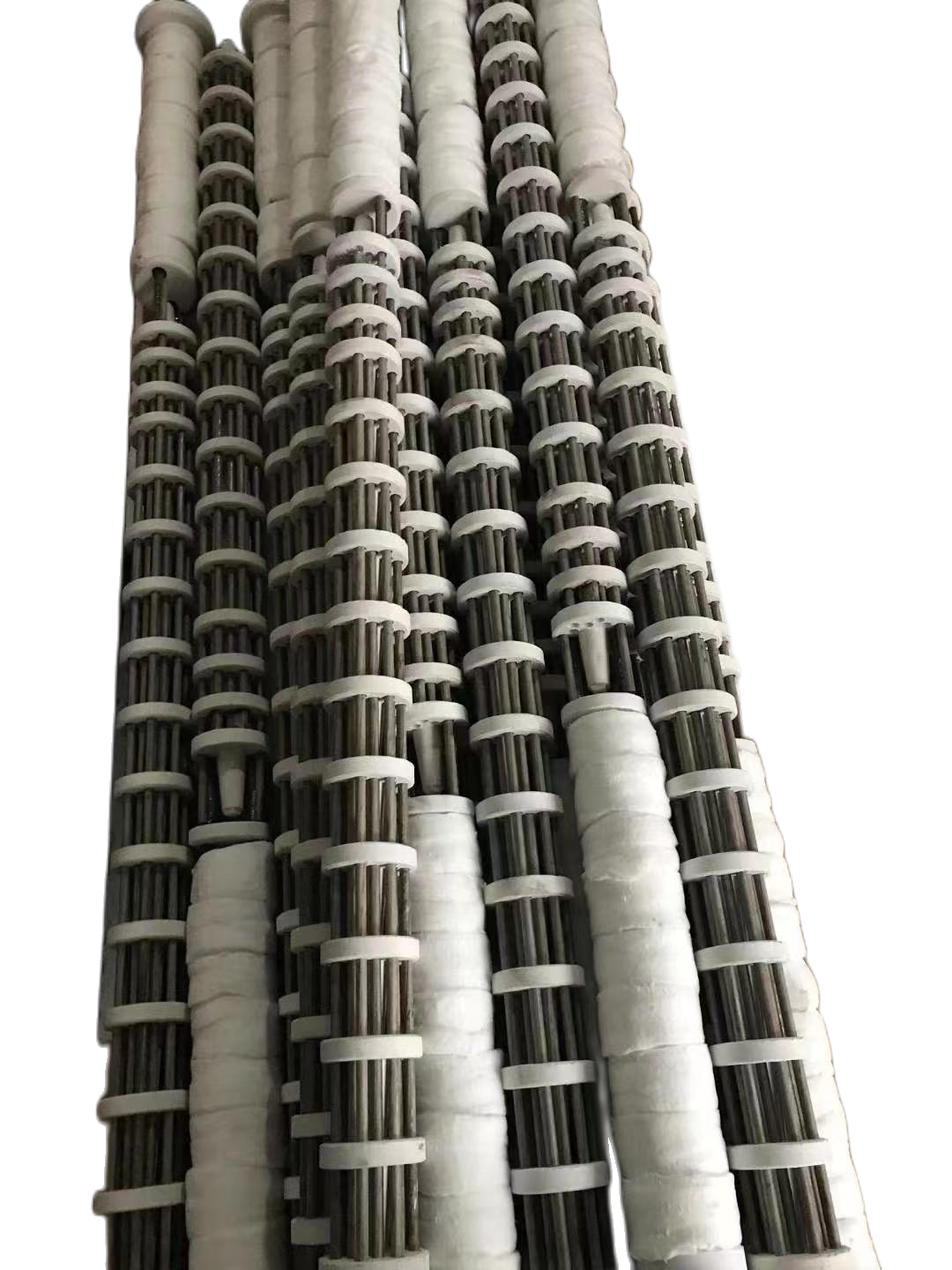
Manufacturing industries across the globe rely heavily on casting services to produce complex metal components that form the backbone of modern infrastructure, automotive systems, and industrial machinery. These specialized manufacturing processes transform raw metal materials into precision-engineered parts through carefully controlled heating, melting, and molding techniques. Professional casting services offer manufacturers the expertise, equipment, and quality assurance necessary to produce components that meet stringent industry standards while maintaining cost-effectiveness and production efficiency.
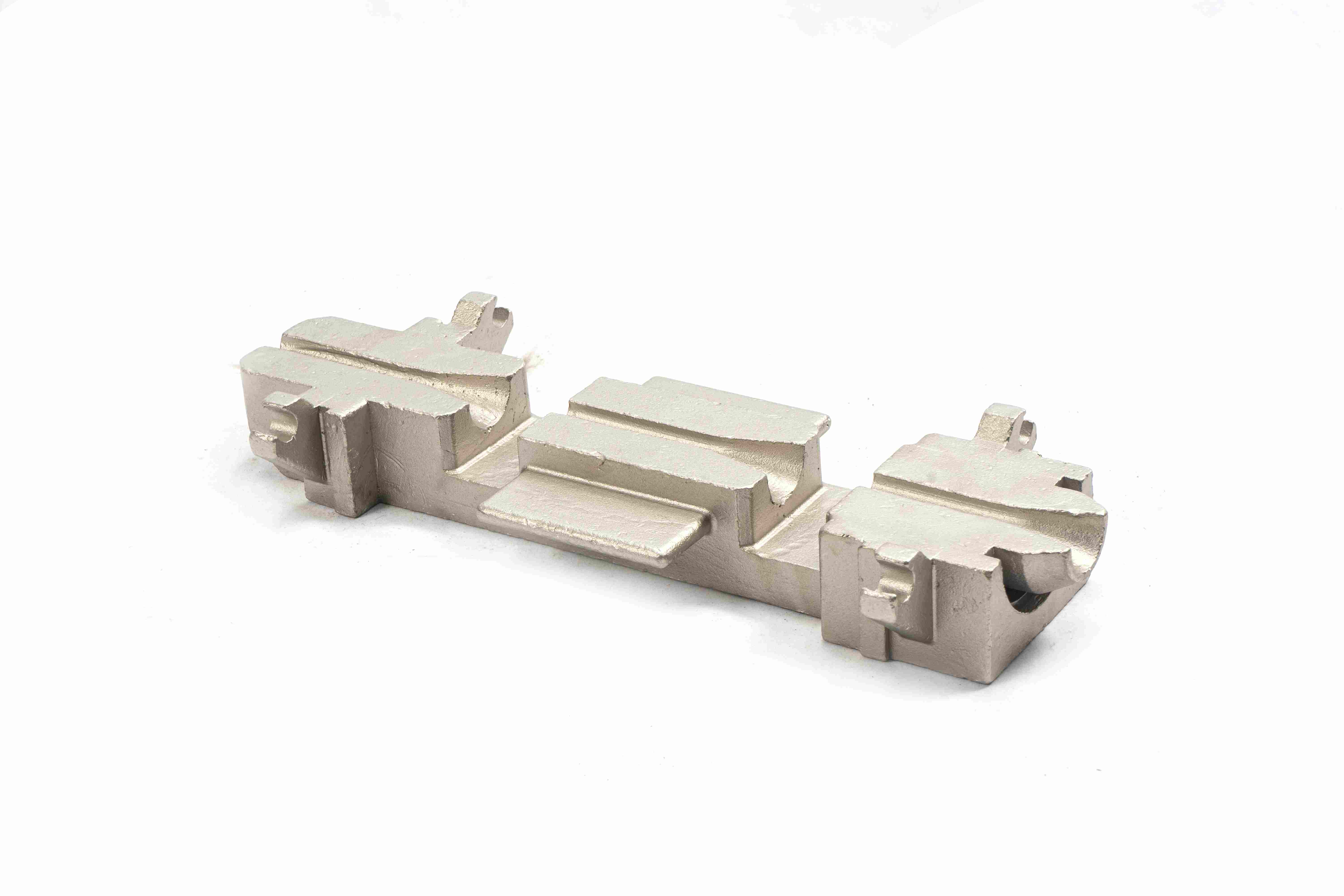
The selection of appropriate casting methods significantly impacts the final product quality, production timeline, and overall project costs. Among the various casting techniques available, die casting and sand casting represent two of the most widely utilized approaches in modern manufacturing. Each method offers distinct advantages and serves specific applications, making the choice between them crucial for achieving optimal results in any given project.
Understanding Die Casting Technology
Process Mechanics and Equipment Requirements
Die casting represents a high-precision manufacturing process where molten metal is forced into steel molds under extreme pressure, typically ranging from 10 to 175 megapascals. This process utilizes specialized die casting machines equipped with powerful hydraulic systems that ensure consistent pressure application throughout the injection cycle. The steel dies, also known as molds, are precisely machined to create cavities that match the exact specifications of the desired component.
Professional casting services employing die casting technology invest in sophisticated temperature control systems that maintain optimal metal temperatures during the injection process. These systems prevent premature solidification while ensuring proper flow characteristics throughout the mold cavity. The rapid cooling rates achieved through direct contact with steel dies result in fine-grained microstructures that enhance the mechanical properties of the finished components.
Material Compatibility and Alloy Selection
Die casting processes work exceptionally well with non-ferrous metals, particularly aluminum, zinc, magnesium, and copper alloys. These materials possess the necessary fluidity characteristics and relatively low melting points that make them ideal for high-pressure injection systems. Aluminum die casting dominates automotive applications due to its excellent strength-to-weight ratio, while zinc alloys offer superior dimensional accuracy for precision components.
The selection of appropriate alloys within casting services depends on the specific performance requirements of the final application. Magnesium alloys provide exceptional weight savings for aerospace applications, while copper-based alloys offer superior electrical and thermal conductivity for electronic components. Each alloy system requires specific processing parameters and die design considerations to achieve optimal results.
Sand Casting Fundamentals and Applications
Traditional Molding Techniques and Modern Adaptations
Sand casting remains one of the most versatile and cost-effective casting methods available through professional casting services. This process utilizes specially formulated sand mixtures to create temporary molds that can accommodate virtually any metal alloy and component size. The sand mixture typically consists of silica sand, clay binder, and water, creating a moldable material that maintains its shape during metal pouring while allowing gases to escape through its porous structure.
Modern sand casting operations have incorporated automated molding equipment and computer-controlled pattern placement systems to improve consistency and reduce labor costs. These technological advances enable casting services to maintain tight dimensional tolerances while handling complex geometries that would be challenging or impossible with other casting methods. The flexibility of sand molds allows for the incorporation of intricate internal passages and undercuts that enhance component functionality.
Pattern Development and Mold Construction
The creation of accurate patterns represents a critical aspect of successful sand casting operations within professional casting services. Patterns can be constructed from wood, metal, plastic, or composite materials, depending on the production volume and dimensional requirements. Each pattern must account for metal shrinkage during cooling, requiring precise calculations and adjustments to achieve final dimensional accuracy.
Advanced pattern-making techniques incorporate computer-aided design software and precision machining to create master patterns that serve as the foundation for consistent mold production. The pattern design must also consider the location of gates, risers, and venting systems that ensure proper metal flow and solidification. These elements are crucial for preventing defects such as porosity, incomplete filling, or dimensional distortion in the finished components.
Comparative Analysis of Production Capabilities
Dimensional Accuracy and Surface Finish Characteristics
Professional casting services utilizing die casting technology consistently achieve superior dimensional accuracy compared to sand casting methods. The steel dies used in die casting can maintain tolerances as tight as ±0.1mm on critical dimensions, while sand casting typically achieves tolerances in the range of ±0.5mm to ±1.5mm. This precision advantage makes die casting the preferred choice for components requiring minimal post-processing machining.
Surface finish quality also differs significantly between these two casting approaches. Die cast components emerge from the mold with smooth surfaces that often require minimal finishing operations, achieving surface roughness values as low as 1.0 micrometers Ra. Sand cast components typically exhibit rougher surface textures due to the sand grain structure, requiring additional machining or surface treatment processes to achieve comparable finish quality.
Production Volume Considerations and Economic Factors
The economic viability of different casting services varies significantly based on production volume requirements. Die casting excels in high-volume production scenarios due to its rapid cycle times and consistent quality output. A single die casting machine can produce hundreds or thousands of components per day, making it highly cost-effective for large-scale manufacturing operations. However, the initial investment in die construction and specialized equipment creates high setup costs that must be amortized over substantial production runs.
Sand casting offers greater flexibility for low to medium volume production runs and prototype development. The relatively low cost of sand molds and patterns makes this approach economically viable for small batch production, custom components, and rapid prototyping applications. Casting services specializing in sand casting can quickly adapt to design changes and produce limited quantities without significant economic penalties.
Quality Control and Testing Methodologies
Inspection Techniques and Quality Assurance Protocols
Modern casting services employ comprehensive quality control systems that ensure consistent product quality regardless of the casting method employed. Die casting operations typically utilize automated inspection systems that can measure critical dimensions and detect surface defects in real-time during production. These systems incorporate laser measurement technology, vision systems, and coordinate measuring machines to verify dimensional accuracy and surface integrity.
Sand casting quality control relies heavily on process monitoring and statistical sampling techniques. Temperature monitoring during metal pouring, mold moisture content analysis, and systematic dimensional inspection help maintain consistent quality standards. Advanced casting services implement statistical process control methodologies that track quality trends and identify potential issues before they result in defective components.
Defect Prevention and Corrective Measures
Understanding common defect mechanisms enables casting services to implement effective prevention strategies. Die casting defects typically include porosity from trapped air, cold shuts from inadequate metal flow, and flash from excessive injection pressure. These issues can be minimized through proper die design, optimized injection parameters, and regular die maintenance protocols.
Sand casting defects often involve sand inclusion, gas porosity, and dimensional distortion from improper mold construction or metal pouring techniques. Professional casting services address these challenges through careful sand preparation, controlled pouring procedures, and systematic mold inspection protocols. The implementation of degassing treatments and proper gating system design significantly reduces the occurrence of quality issues in sand cast components.
Environmental Impact and Sustainability Considerations
Energy Consumption and Resource Utilization
Environmental sustainability has become increasingly important in modern casting services operations. Die casting generally requires higher energy consumption due to the need for maintaining elevated metal temperatures and operating high-pressure injection systems. However, the rapid production rates and minimal material waste help offset these energy requirements when calculated on a per-component basis.
Sand casting operations consume less energy per cycle but may require more extensive post-processing operations that increase overall energy consumption. The sand used in casting can be recycled multiple times through proper reclamation processes, reducing material waste and environmental impact. Progressive casting services implement closed-loop sand systems that minimize disposal requirements and reduce the consumption of virgin sand materials.
Waste Management and Recycling Opportunities
Both casting methods generate various waste streams that require proper management within responsible casting services operations. Die casting produces minimal solid waste, with most scrap metal being directly recyclable back into the production process. The steel dies themselves can be refurbished and reused multiple times, extending their operational life and reducing replacement costs.
Sand casting generates larger volumes of used sand that must be properly processed or disposed of according to environmental regulations. Modern casting services invest in sand reclamation equipment that removes binders and contaminants, allowing the sand to be reused in subsequent casting operations. This approach significantly reduces both waste disposal costs and the environmental impact associated with sand mining and transportation.
Future Trends and Technological Developments
Automation and Digital Integration
The evolution of casting services increasingly incorporates advanced automation technologies that enhance production efficiency and quality consistency. Robotic systems now handle many aspects of die casting operations, from metal ladling to component extraction and finishing. These automated systems operate with greater precision and consistency than manual processes while reducing labor costs and improving workplace safety.
Digital technologies such as computer simulation software enable casting services to optimize process parameters before beginning production. These simulation tools predict metal flow patterns, identify potential defect locations, and optimize cooling strategies to improve component quality. The integration of Internet of Things sensors throughout casting operations provides real-time monitoring capabilities that enable predictive maintenance and process optimization.
Advanced Materials and Hybrid Processes
Research and development efforts within the casting industry continue to expand the range of materials and processes available through professional casting services. New alloy compositions designed specifically for casting applications offer improved mechanical properties, corrosion resistance, and weight reduction capabilities. These advanced materials enable the production of components that meet increasingly demanding performance requirements across various industries.
Hybrid casting processes that combine elements of different casting methods are emerging as viable alternatives for specific applications. These innovative approaches leverage the advantages of multiple casting techniques while minimizing their individual limitations. Progressive casting services invest in research and development to stay at the forefront of these technological advances and offer their customers access to the latest manufacturing capabilities.
FAQ
What factors should be considered when selecting between die casting and sand casting services
The selection between die casting and sand casting services depends primarily on production volume, dimensional accuracy requirements, surface finish specifications, and component complexity. Die casting excels for high-volume production of precision components with excellent surface finish, while sand casting offers greater flexibility for complex geometries, larger components, and lower production volumes. Material selection also plays a crucial role, as die casting works best with non-ferrous alloys, while sand casting accommodates virtually any castable metal.
How do lead times compare between different casting services methods
Lead times for casting services vary significantly based on the chosen method and project requirements. Die casting typically requires longer initial setup times due to die construction, which can take several weeks or months depending on complexity. However, once production begins, cycle times are very rapid. Sand casting offers shorter setup times since patterns are quicker to produce than steel dies, making it ideal for urgent prototypes or small production runs that need to start quickly.
What quality standards do professional casting services maintain
Professional casting services maintain rigorous quality standards through ISO 9001 certification, industry-specific certifications, and comprehensive inspection protocols. These standards include dimensional verification, material property testing, surface finish assessment, and non-destructive testing when required. Many casting services also maintain specialized certifications for aerospace, automotive, or medical applications, ensuring compliance with the most demanding industry requirements and traceability documentation.
How do material properties differ between die cast and sand cast components
Material properties can vary between die cast and sand cast components due to different cooling rates and solidification patterns. Die casting typically produces finer grain structures due to rapid cooling against steel dies, resulting in higher strength and better surface properties. Sand casting allows for more controlled cooling rates, which can be advantageous for certain alloys that benefit from slower solidification. Both methods can achieve excellent mechanical properties when properly executed by experienced casting services.
Table of Contents
- Understanding Die Casting Technology
- Sand Casting Fundamentals and Applications
- Comparative Analysis of Production Capabilities
- Quality Control and Testing Methodologies
- Environmental Impact and Sustainability Considerations
- Future Trends and Technological Developments
-
FAQ
- What factors should be considered when selecting between die casting and sand casting services
- How do lead times compare between different casting services methods
- What quality standards do professional casting services maintain
- How do material properties differ between die cast and sand cast components