
 EN
EN

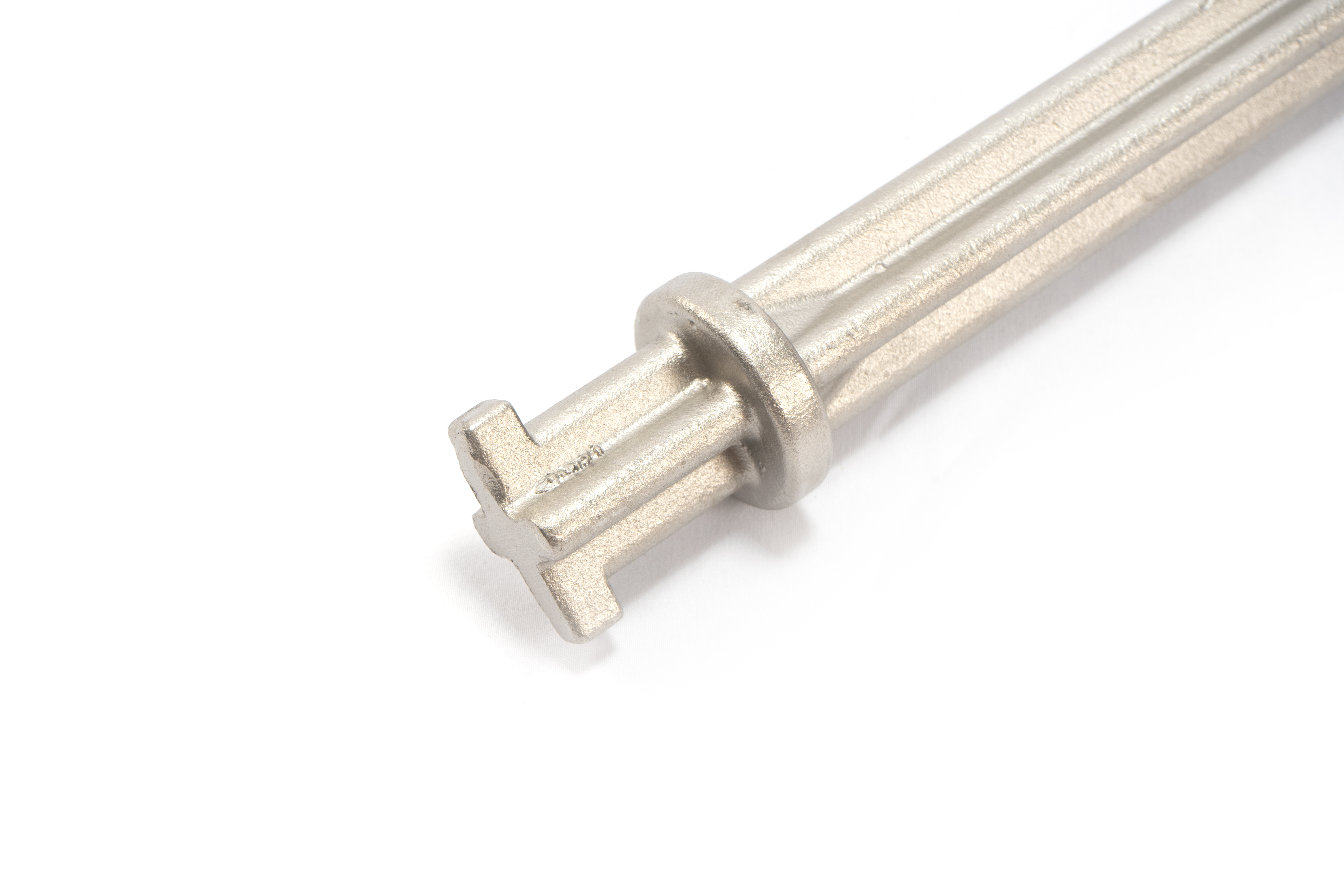
Heat treatment processes in industrial manufacturing require specialized equipment to ensure consistent results and optimal performance. A heat treatment basket serves as a critical component in various thermal processing applications, from annealing and hardening to stress relieving and tempering operations. These specialized containers must withstand extreme temperatures while maintaining structural integrity and providing reliable service across multiple heat cycles. Understanding the key factors that influence basket selection can significantly impact process efficiency, product quality, and operational costs in industrial heat treatment facilities.
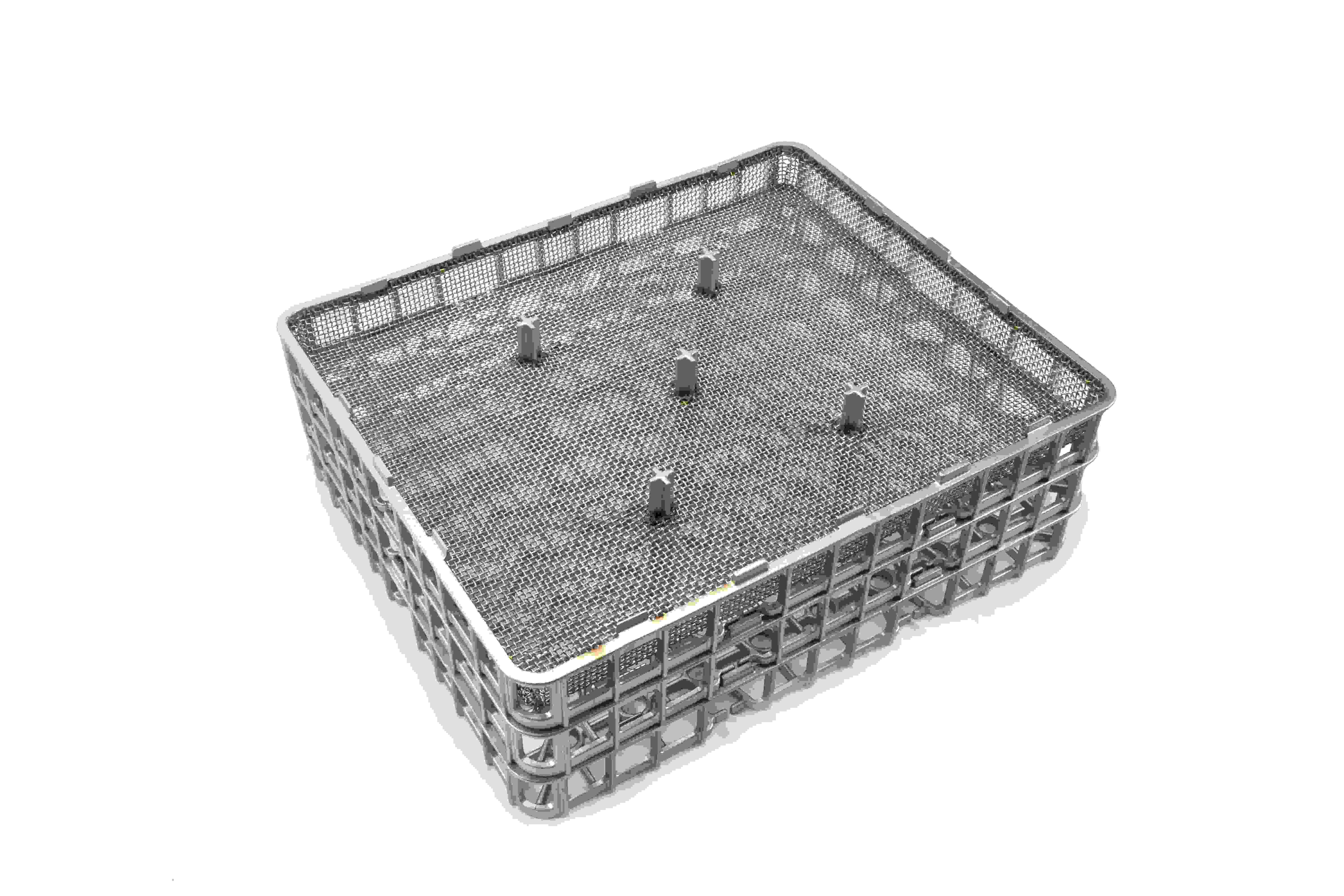
The selection process for industrial heat treatment equipment involves evaluating multiple technical specifications and operational requirements. Modern manufacturing demands precision and reliability in thermal processing operations, making the choice of appropriate basket materials and designs increasingly important. Temperature ranges, load capacities, and material compatibility all play crucial roles in determining the most suitable heat treatment basket for specific applications. Additionally, factors such as cycle frequency, atmosphere conditions, and handling requirements must be carefully considered to ensure optimal performance and longevity.
Industrial heat treatment operations span across numerous sectors, including automotive, aerospace, electronics, and medical device manufacturing. Each industry presents unique challenges and requirements that influence basket selection criteria. The ability to maintain consistent heating patterns, minimize thermal distortion, and provide adequate support for various component geometries makes basket design a critical engineering consideration. Furthermore, compliance with industry standards and regulatory requirements adds another layer of complexity to the selection process, requiring thorough understanding of applicable specifications and testing protocols.
Material Specifications and Performance Characteristics
High-Temperature Alloy Properties
The foundation of any effective heat treatment basket lies in its material composition and metallurgical properties. High-temperature alloys used in basket construction must demonstrate exceptional resistance to thermal cycling, oxidation, and mechanical stress. Stainless steel grades such as 310SS, 321SS, and 347SS are commonly employed due to their superior high-temperature strength and corrosion resistance. These materials maintain structural stability at temperatures exceeding 1000°C while providing adequate ductility to accommodate thermal expansion and contraction cycles.
Inconel and Hastelloy alloys represent premium material options for extreme temperature applications where standard stainless steels may prove insufficient. These superalloys offer enhanced creep resistance and oxidation protection at temperatures approaching 1200°C, making them ideal for specialized heat treatment processes. The selection between different alloy systems depends on specific temperature requirements, atmosphere conditions, and expected service life. Material costs must be balanced against performance benefits and operational reliability to achieve optimal economic outcomes.
Carbon content and grain structure significantly influence the mechanical properties and thermal behavior of basket materials. Low-carbon compositions minimize carbide precipitation and maintain ductility at elevated temperatures. Controlled grain size ensures uniform thermal expansion and reduces the likelihood of stress concentration points that could lead to premature failure. Heat treatment of the basket material itself plays a crucial role in optimizing microstructure and achieving desired mechanical properties for specific operating conditions.
Thermal Conductivity and Heat Distribution
Effective heat distribution throughout the basket structure ensures uniform temperature profiles and consistent treatment results. The thermal conductivity of basket materials directly impacts heating rates and temperature uniformity across loaded components. Wire mesh designs with optimized opening sizes facilitate convective heat transfer while maintaining adequate structural support. The balance between open area percentage and structural integrity requires careful engineering analysis to achieve optimal thermal performance.
Basket geometry and wire orientation influence air circulation patterns and heat transfer efficiency within furnace chambers. Horizontal wire arrangements typically provide better support for small components, while vertical orientations may enhance gas flow in certain applications. The intersection points between wires create potential hot spots or thermal barriers that must be considered during design optimization. Finite element analysis can help predict temperature distributions and identify areas requiring design modifications.
Surface treatments and coatings can significantly alter the thermal behavior of heat treatment basket materials. Oxidation-resistant coatings extend service life and maintain consistent thermal properties over extended operating periods. However, coating thickness and thermal expansion compatibility must be carefully evaluated to prevent delamination or interference with heat transfer. The selection of appropriate surface treatments depends on specific atmosphere conditions and temperature requirements of the intended application.
Design Considerations for Industrial Applications
Load Capacity and Structural Engineering
Determining appropriate load capacity for a heat treatment basket requires comprehensive analysis of component weights, thermal stresses, and safety factors. The structural design must accommodate both static loads from component weights and dynamic forces resulting from thermal expansion and handling operations. Wire diameter, mesh spacing, and support frame configuration all contribute to overall load-bearing capacity and structural stability. Engineering calculations should include worst-case loading scenarios and appropriate safety margins to ensure reliable operation.
Deflection limits and structural deformation under load represent critical design parameters that directly impact treatment quality and basket longevity. Excessive deflection can cause component contact, uneven heating, or mechanical damage during handling operations. The relationship between basket dimensions, support spacing, and allowable deflection requires careful optimization to achieve acceptable performance. Finite element modeling provides valuable insights into stress distribution and deformation patterns under various loading conditions.
Support system design plays a crucial role in maintaining basket integrity and facilitating safe handling operations. Reinforcement ribs, corner brackets, and edge supports distribute loads effectively while minimizing material usage and weight. The integration of lifting points and handling features must consider thermal expansion effects and maintain accessibility under high-temperature conditions. Modular construction approaches can provide flexibility for different load configurations while standardizing manufacturing processes.
Component Compatibility and Nesting Requirements
The design of an effective heat treatment basket must accommodate the specific geometry and nesting requirements of components being processed. Part shape, size distribution, and stacking characteristics influence basket configuration and internal features. Dividers, compartments, and positioning guides help maintain proper component spacing and prevent contact during thermal processing. These features ensure uniform heat exposure while minimizing the risk of distortion or surface damage.
Material compatibility between basket construction and processed components prevents contamination and unwanted metallurgical interactions. Galvanic corrosion, carbon transfer, and alloy contamination represent potential concerns when dissimilar materials are in direct contact at elevated temperatures. Protective barriers, coating systems, or material selection strategies can mitigate these risks while maintaining processing efficiency. Understanding the chemical behavior of different material combinations at processing temperatures is essential for reliable operation.
Nesting efficiency directly impacts furnace productivity and energy consumption by maximizing component density within available furnace volume. Optimized basket designs allow for efficient component arrangement while maintaining adequate clearances for heat circulation. The balance between packing density and thermal uniformity requires careful consideration of component geometry and heat transfer requirements. Standardized nesting patterns can improve loading consistency and reduce setup time for repetitive production operations.
Manufacturing Processes and Quality Control
Welding Techniques and Joint Integrity
The manufacturing quality of heat treatment basket assemblies depends heavily on welding techniques and joint integrity throughout the structure. TIG welding processes typically provide superior control and weld quality for high-temperature applications, ensuring consistent penetration and minimal distortion. Proper welding procedures, including preheating, interpass temperature control, and post-weld heat treatment, are essential for maintaining material properties and joint strength. Welding sequence and fixturing strategies minimize residual stresses and geometric distortion during fabrication.
Joint design considerations include accessibility for welding operations, stress concentration factors, and thermal expansion compatibility. Continuous welds provide maximum strength and seal integrity, while intermittent welding patterns may offer advantages in terms of distortion control and material conservation. The selection of appropriate joint configurations depends on loading requirements, manufacturing constraints, and quality specifications. Weld inspection procedures ensure consistent quality and identify potential defects before service exposure.
Heat treatment of welded assemblies helps relieve residual stresses and optimize microstructure in the heat-affected zones. Stress relief treatments reduce the likelihood of distortion or cracking during subsequent high-temperature service. The temperature and time parameters for post-weld heat treatment must be carefully selected to achieve stress relief without compromising base material properties. Quality control procedures verify the effectiveness of heat treatment operations and ensure compliance with applicable standards.
Dimensional Accuracy and Tolerance Control
Maintaining dimensional accuracy throughout the manufacturing process ensures proper fit and function within furnace systems and handling equipment. Thermal expansion calculations must account for temperature differentials between basket materials and furnace structures. Clearance requirements, both hot and cold, prevent binding or interference during loading and unloading operations. Precision manufacturing techniques and quality control measures help maintain required tolerances despite the challenges of working with high-temperature materials.
Measurement and inspection procedures verify dimensional compliance at various stages of manufacturing and after heat treatment operations. Coordinate measuring machines and laser scanning systems provide accurate dimensional data for complex basket geometries. Statistical process control methods help identify trends and maintain consistent manufacturing quality. Documentation and traceability systems ensure that dimensional requirements are met and provide records for quality audits and customer verification.
Fixture design and manufacturing techniques minimize distortion during welding and heat treatment operations. Rigid fixturing systems maintain geometric relationships while accommodating thermal expansion and contraction cycles. The selection of appropriate fixture materials and design features prevents contamination while providing adequate support. Quality planning processes identify critical dimensions and establish appropriate inspection points throughout manufacturing operations.
Performance Optimization and Maintenance
Service Life Extension Strategies
Maximizing the service life of heat treatment basket systems requires understanding failure modes and implementing appropriate preventive measures. Oxidation, thermal fatigue, and mechanical wear represent the primary degradation mechanisms affecting basket performance. Regular inspection programs help identify early signs of deterioration and enable proactive maintenance interventions. Visual examination, dimensional measurements, and non-destructive testing methods provide comprehensive assessment capabilities for in-service baskets.
Operating parameter optimization can significantly extend basket service life while maintaining treatment quality. Temperature cycling rates, atmosphere composition, and loading practices all influence degradation rates and failure patterns. Controlled heating and cooling cycles minimize thermal shock and reduce stress accumulation in basket materials. Proper atmosphere management prevents excessive oxidation while maintaining required process conditions for component treatment.
Predictive maintenance programs utilize condition monitoring data to optimize replacement schedules and minimize unplanned downtime. Thickness measurements, surface condition assessments, and dimensional checks provide quantitative data for service life predictions. Historical performance data and failure analysis results help refine maintenance intervals and identify opportunities for design improvements. Cost-benefit analysis ensures that maintenance investments provide optimal economic returns while maintaining operational reliability.
Cleaning and Reconditioning Procedures
Effective cleaning procedures remove process residues and contaminants that can affect heat treatment basket performance and component quality. Scale removal, degreasing, and surface preparation techniques restore basket condition and extend service life. Chemical cleaning methods must be compatible with basket materials while effectively removing accumulated deposits. Mechanical cleaning techniques provide alternatives for stubborn residues but require careful application to avoid damage to basket structures.
Reconditioning operations can restore worn or damaged baskets to serviceable condition through repair welding, surface treatments, or component replacement. Weld repair procedures must maintain material properties and structural integrity while addressing localized damage. Surface restoration techniques include mechanical finishing, chemical etching, and protective coating applications. The economic feasibility of reconditioning depends on basket condition, repair costs, and remaining service life expectations.
Quality control procedures verify that cleaned and reconditioned baskets meet performance requirements before return to service. Dimensional verification, surface condition assessment, and load testing ensure that reconditioned equipment provides reliable performance. Documentation systems track reconditioning history and enable analysis of degradation patterns and repair effectiveness. Standardized procedures ensure consistent results and maintain quality standards across multiple baskets and facilities.
Industry Applications and Case Studies
Automotive Component Processing
The automotive industry represents one of the largest markets for specialized heat treatment basket applications, with diverse requirements spanning engine components, transmission parts, and chassis elements. Gear heat treatment operations require baskets capable of supporting complex geometries while maintaining precise positioning during carburizing and hardening cycles. The high-volume nature of automotive production demands robust basket designs that can withstand frequent thermal cycling while maintaining dimensional stability and structural integrity.
Engine component heat treatment processes often involve multiple stages with varying temperature and atmosphere requirements. Valve springs, camshafts, and crankshafts require specialized basket configurations that accommodate their unique geometries while ensuring uniform heat distribution. The selection of appropriate heat treatment basket materials and designs directly impacts component quality, dimensional accuracy, and mechanical properties. Case studies demonstrate significant improvements in process efficiency and component consistency through optimized basket design and material selection.
Transmission component processing presents unique challenges related to component size, weight distribution, and thermal mass effects. Large ring gears and planetary assemblies require robust support systems that prevent distortion during heat treatment while facilitating efficient loading and unloading operations. The integration of automation systems and robotic handling equipment influences basket design requirements and interface specifications. Performance data from automotive applications demonstrates the economic benefits of investing in high-quality basket systems for high-volume production operations.
Aerospace and Defense Applications
Aerospace applications demand the highest levels of quality and reliability in heat treatment basket systems due to critical safety requirements and stringent certification processes. Turbine blade processing requires baskets capable of maintaining precise component positioning while accommodating complex cooling passages and thin-wall sections. The use of advanced superalloys and specialized heat treatment cycles places demanding requirements on basket materials and design features. Traceability and documentation requirements exceed typical industrial standards, necessitating comprehensive quality systems and process controls.
Landing gear components and structural assemblies represent large-scale heat treatment applications with significant weight and size constraints. Custom basket designs accommodate unique component geometries while providing adequate support and thermal uniformity. The long service life expectations for aerospace components require basket systems that maintain consistent performance over extended periods. Material certifications, process qualifications, and periodic audits ensure continued compliance with aerospace quality standards.
Defense applications often involve specialized materials and processing requirements that challenge conventional basket design approaches. Armor components, weapon systems, and electronic assemblies may require unique atmosphere conditions or temperature profiles that influence basket material selection and construction techniques. Security and export control considerations add complexity to the design and manufacturing processes. Case studies highlight the successful development of specialized basket systems for critical defense applications while maintaining appropriate security protocols.
Future Trends and Technology Developments
Advanced Materials and Coatings
Emerging material technologies offer new opportunities for improving heat treatment basket performance and extending service life in demanding applications. Ceramic matrix composites provide exceptional high-temperature stability while reducing weight compared to traditional metallic constructions. Advanced coating systems incorporating nano-structured materials offer enhanced oxidation resistance and thermal barrier properties. The development of functionally graded materials enables optimization of properties throughout basket structures to match specific loading and thermal conditions.
Additive manufacturing techniques enable complex basket geometries that were previously impossible to produce using conventional manufacturing methods. Three-dimensional printing of high-temperature alloys allows for integrated cooling channels, optimized support structures, and customized component interfaces. The design freedom provided by additive manufacturing enables topology optimization and biomimetic structures that maximize performance while minimizing material usage. Quality control challenges and certification requirements for additively manufactured components continue to evolve as the technology matures.
Smart material technologies offer potential for self-monitoring and adaptive basket systems that respond to changing operating conditions. Shape memory alloys can provide automatic tensioning or positioning adjustments during thermal cycling. Embedded sensors enable real-time monitoring of basket condition and performance parameters. The integration of wireless communication capabilities allows for remote monitoring and predictive maintenance applications. Research and development efforts continue to explore the practical implementation of these advanced technologies in industrial heat treatment applications.
Digitalization and Process Integration
Digital technologies are transforming heat treatment operations through improved process control, data analytics, and automation capabilities. Basket design optimization utilizing artificial intelligence and machine learning algorithms can identify optimal configurations for specific component requirements and processing conditions. Virtual reality systems enable immersive design reviews and operator training programs that improve safety and efficiency. Digital twin technologies provide comprehensive modeling capabilities for predicting basket performance and optimizing maintenance schedules.
Integration with Industry 4.0 concepts enables seamless data flow between basket design, manufacturing, and operational systems. RFID tags and QR codes provide automated tracking and identification capabilities throughout basket lifecycle management. Cloud-based data management systems enable collaborative design processes and facilitate knowledge sharing across multiple facilities. Blockchain technologies offer potential for secure and immutable documentation of basket specifications, certifications, and service history.
Automated basket loading and unloading systems reduce labor requirements while improving consistency and safety in heat treatment operations. Robotic systems equipped with advanced sensors can adapt to component variations and optimize loading patterns for maximum efficiency. Vision systems provide quality control capabilities and enable automatic component sorting and positioning. The integration of artificial intelligence enables continuous learning and optimization of automated processes based on historical performance data and real-time feedback.
FAQ
What factors determine the optimal wire diameter for a heat treatment basket?
Wire diameter selection depends on several critical factors including load capacity requirements, thermal expansion considerations, and structural stability needs. Thicker wires provide greater strength and load-bearing capacity but may impede heat circulation and increase thermal mass. The optimal diameter balances structural requirements with thermal performance, typically ranging from 3mm to 8mm for most industrial applications. Material properties, operating temperature, and expected service life also influence wire diameter selection, with larger diameters generally providing longer service life at the expense of increased material costs and weight.
How does atmosphere composition affect heat treatment basket material selection?
Atmosphere composition significantly impacts material degradation rates and requires careful consideration during basket material selection. Oxidizing atmospheres accelerate scaling and material loss, necessitating alloys with superior oxidation resistance such as 310SS or Inconel grades. Reducing atmospheres may cause decarburization or carburization depending on carbon potential levels. Neutral atmospheres generally provide the least aggressive environment but may still require protective measures for extended service life. Specialized atmospheres containing ammonia, hydrogen, or other reactive gases require specific alloy selections and may necessitate protective coatings or barrier systems.
What are the key inspection criteria for evaluating basket condition during service?
Regular inspection programs should focus on dimensional stability, surface condition, and structural integrity to ensure continued safe operation. Wall thickness measurements identify material loss due to oxidation or corrosion, while dimensional checks verify that thermal cycling has not caused excessive distortion. Visual examination reveals surface defects, cracking, or localized damage that may require immediate attention. Weld joint inspection identifies potential failure points, and load testing may be necessary for baskets showing signs of degradation. Documentation of inspection results enables trending analysis and optimization of replacement schedules based on actual service performance data.
How can basket design optimization reduce energy consumption in heat treatment processes?
Optimized basket design can significantly reduce energy consumption through improved heat transfer efficiency and reduced thermal mass. Minimizing basket weight reduces the energy required to heat the basket itself, while optimized mesh patterns enhance convective heat transfer to loaded components. Strategic placement of components within the basket ensures uniform heating and reduces the need for extended cycle times to achieve temperature uniformity. Advanced modeling techniques can identify optimal basket configurations that maximize component density while maintaining adequate heat circulation, resulting in improved furnace productivity and reduced energy costs per processed component.
Table of Contents
- Material Specifications and Performance Characteristics
- Design Considerations for Industrial Applications
- Manufacturing Processes and Quality Control
- Performance Optimization and Maintenance
- Industry Applications and Case Studies
- Future Trends and Technology Developments
-
FAQ
- What factors determine the optimal wire diameter for a heat treatment basket?
- How does atmosphere composition affect heat treatment basket material selection?
- What are the key inspection criteria for evaluating basket condition during service?
- How can basket design optimization reduce energy consumption in heat treatment processes?