
 EN
EN

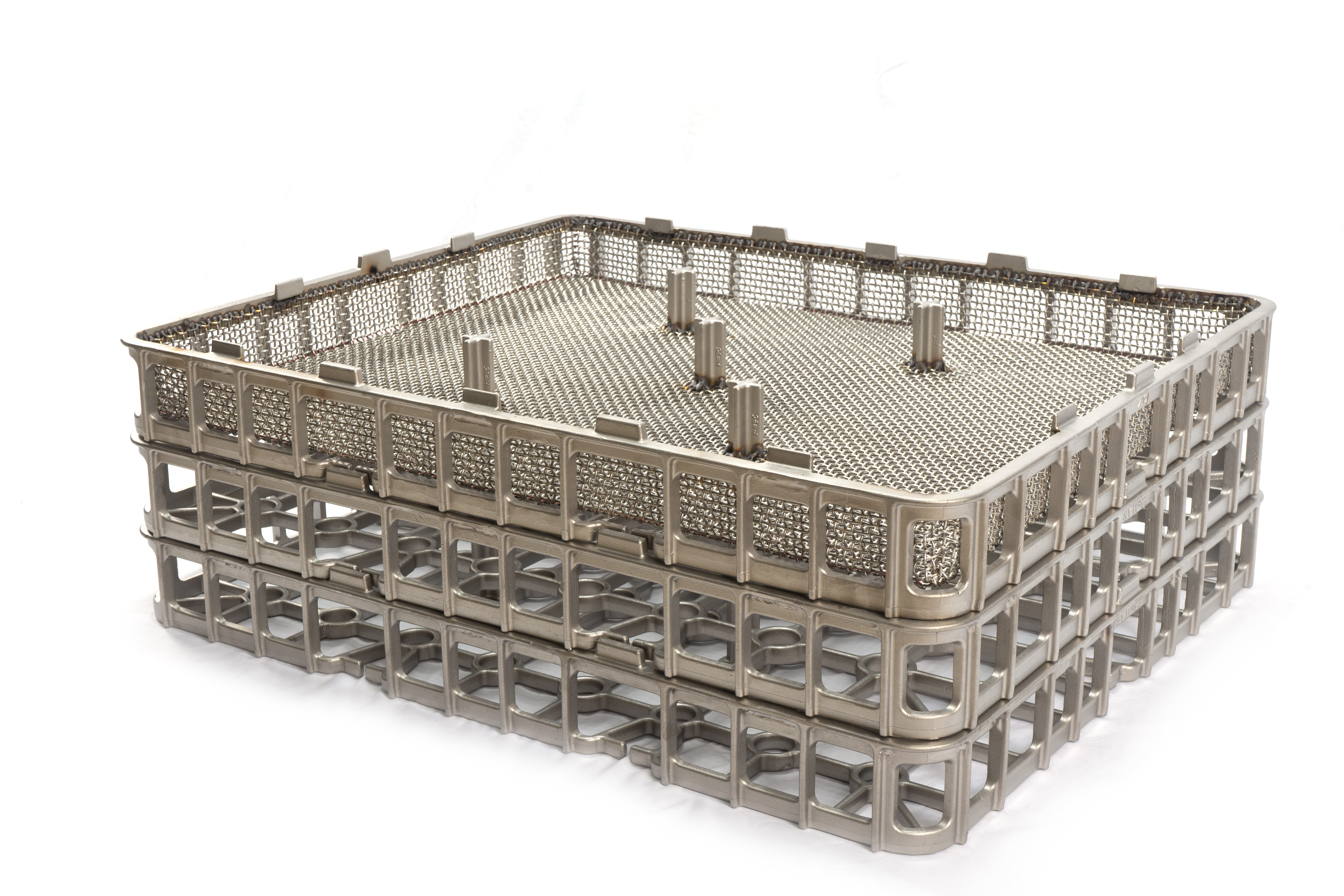
The selection of appropriate materials for industrial applications requires careful consideration of performance characteristics, operational environments, and cost-effectiveness. In heat treatment operations, the choice of basket material directly impacts processing efficiency, product quality, and operational longevity. Manufacturing facilities across aerospace, automotive, and metal processing industries rely on specialized containment solutions to maintain precise temperature control and component integrity throughout thermal processing cycles.
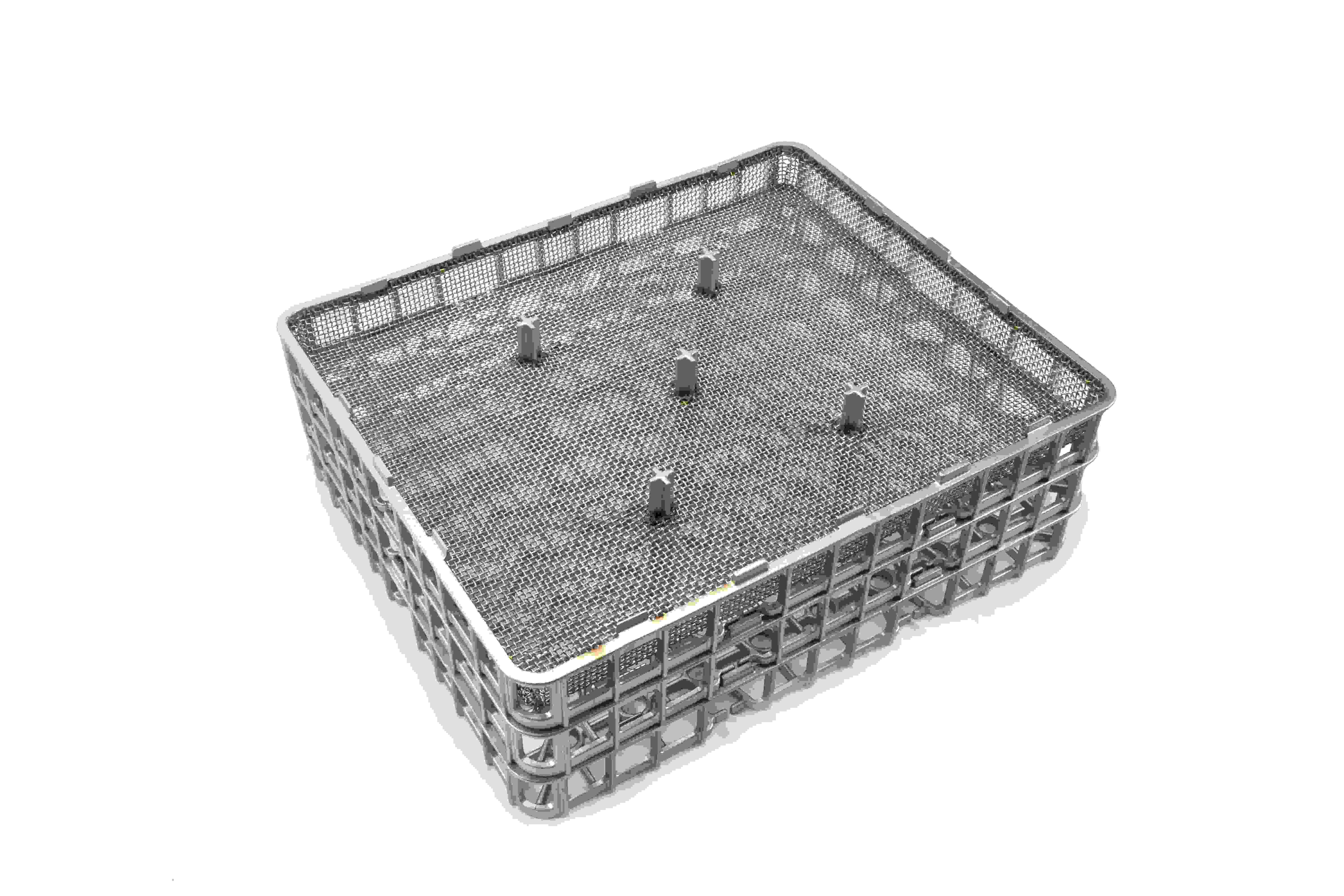
Stainless Steel Construction in Industrial Heat Processing
Austenitic Stainless Steel Properties
Austenitic stainless steels, particularly grades 304 and 316, represent the most widely adopted materials for heat treatment basket construction in industrial settings. These alloys demonstrate exceptional corrosion resistance and maintain structural stability across temperature ranges from ambient conditions to 1800°F. The chromium-nickel composition provides superior oxidation resistance, while the austenitic crystal structure ensures dimensional stability during repeated thermal cycling.
Manufacturing facilities benefit from the excellent formability characteristics of austenitic stainless steels, enabling complex basket geometries that optimize component loading and heat circulation patterns. The material's non-magnetic properties in the annealed condition facilitate use in electromagnetic heating systems, while its excellent weldability supports custom fabrication requirements for specialized processing applications.
Martensitic and Ferritic Alternatives
Martensitic stainless steels offer enhanced strength characteristics for heavy-duty applications requiring superior load-bearing capacity. Grade 410 stainless steel provides moderate corrosion resistance with significantly higher tensile strength compared to austenitic alternatives, making it suitable for large-scale production environments where mechanical durability takes priority over maximum corrosion resistance.
Ferritic stainless steels, including grade 430, present cost-effective solutions for moderate temperature applications where chloride resistance is not critical. These materials exhibit good thermal conductivity and dimensional stability while maintaining adequate corrosion resistance for many industrial heat treatment processes. The magnetic properties of ferritic grades may limit their application in certain electromagnetic heating systems but provide advantages in magnetic separation or handling operations.
Inconel Alloy Systems for Extreme Environments
High-Temperature Performance Characteristics
Inconel superalloys represent premium materials for heat treatment basket applications requiring operation at temperatures exceeding 2000°F. Inconel 625 and 718 grades demonstrate exceptional resistance to oxidation, carburization, and thermal fatigue while maintaining mechanical properties at elevated temperatures. The nickel-chromium-molybdenum composition provides superior corrosion resistance in aggressive atmospheres containing sulfur compounds or halides.
Manufacturing operations benefit from the excellent creep resistance of Inconel alloys, which prevents dimensional changes during prolonged high-temperature exposure. The material's ability to maintain strength at extreme temperatures enables thin-wall construction that maximizes heat transfer efficiency while minimizing thermal mass. Advanced aerospace and gas turbine applications particularly value these performance characteristics for critical component processing.
Cost-Benefit Analysis and Application Considerations
The premium cost of Inconel materials requires careful justification through operational analysis and lifecycle cost evaluation. Applications involving repeated thermal cycling, aggressive atmospheres, or temperatures above 1800°F typically justify the increased material investment through extended service life and reduced maintenance requirements. The superior performance characteristics often result in lower total cost of ownership despite higher initial procurement costs.
Design optimization strategies for Inconel heat treatment basket construction focus on minimizing material usage while maximizing structural efficiency. Advanced fabrication techniques, including laser cutting and precision welding, enable complex geometries that optimize heat transfer while reducing material consumption. Strategic material placement concentrates Inconel usage in high-stress areas while utilizing less expensive materials in lower-temperature zones.
Hastelloy Applications in Corrosive Environments
Chemical Resistance Properties
Hastelloy alloys provide exceptional resistance to chloride-induced stress corrosion cracking and demonstrate superior performance in reducing atmospheres containing hydrogen sulfide or other aggressive chemical species. Hastelloy C-276 and C-22 grades offer outstanding corrosion resistance across a broad range of chemical environments while maintaining mechanical properties at elevated temperatures suitable for heat treatment basket applications.
The molybdenum and tungsten additions in Hastelloy compositions enhance resistance to localized corrosion phenomena, including pitting and crevice corrosion that can compromise basket integrity during extended service. Chemical processing industries particularly benefit from these performance characteristics when processing components in atmospheres containing chlorides, fluorides, or organic acids that would rapidly attack conventional stainless steel materials.
Fabrication and Welding Considerations
Hastelloy materials require specialized fabrication techniques and welding procedures to achieve optimal performance in heat treatment basket applications. The work-hardening characteristics of these alloys necessitate careful control of forming operations to prevent excessive strain that could compromise corrosion resistance. Advanced welding techniques, including gas tungsten arc welding with appropriate filler materials, ensure joint integrity and maintain corrosion resistance in welded assemblies.
Quality control procedures for Hastelloy fabrication emphasize prevention of contamination that could compromise chemical resistance properties. Surface preparation, handling procedures, and post-fabrication cleaning protocols require strict adherence to established standards to maintain the superior corrosion resistance characteristics that justify the premium material cost in demanding applications.
Carbon Steel Solutions for Cost-Sensitive Applications
Low-Temperature Processing Requirements
Carbon steel materials provide economical solutions for heat treatment basket applications operating below 1200°F in non-corrosive atmospheres. Low-carbon steel grades offer excellent formability and weldability while providing adequate strength for most industrial loading requirements. The lower material cost enables larger basket designs or higher quantity procurement for high-volume production environments.
Surface treatment options for carbon steel heat treatment basket applications include galvanizing, painting, or specialized coatings that enhance corrosion resistance while maintaining cost advantages. These protective systems extend service life in mildly corrosive environments and provide acceptable performance for temporary or batch processing applications where replacement frequency is not critical to operational efficiency.
Limitations and Application Boundaries
The oxidation susceptibility of carbon steel materials limits their application to controlled atmosphere processing or short-duration exposure cycles. Scale formation at elevated temperatures can contaminate processed components and create maintenance issues that offset initial cost savings. Careful evaluation of processing conditions and component cleanliness requirements determines the suitability of carbon steel solutions for specific applications.
Design considerations for carbon steel heat treatment basket construction emphasize robust section sizes to compensate for reduced high-temperature strength compared to stainless steel alternatives. Reinforcement strategies and conservative load ratings ensure safe operation while maintaining cost advantages for appropriate applications. Regular inspection and maintenance schedules become critical factors in maintaining operational safety and product quality.
Specialized Alloy Systems for Niche Applications
Titanium Alloy Advantages
Titanium alloys offer unique advantages for heat treatment basket applications requiring lightweight construction combined with excellent corrosion resistance and biocompatibility. The exceptional strength-to-weight ratio enables large basket designs with minimal structural mass, reducing thermal inertia and improving heating efficiency in batch processing operations. Medical device and aerospace applications particularly benefit from the non-toxic and non-magnetic properties of titanium materials.
The superior corrosion resistance of titanium alloys in chloride environments and oxidizing atmospheres provides extended service life in challenging processing conditions. Grade 2 commercially pure titanium offers excellent formability for complex basket geometries, while Ti-6Al-4V provides enhanced strength characteristics for high-stress applications requiring superior mechanical properties.
Cobalt-Based Superalloy Performance
Cobalt-based superalloys, including Stellite and Haynes alloys, demonstrate exceptional wear resistance and thermal stability for heat treatment basket applications involving abrasive components or extreme temperature cycling. The carbide-strengthened microstructure provides superior resistance to galling and fretting damage while maintaining dimensional stability at elevated temperatures exceeding 2100°F.
Advanced manufacturing techniques enable optimization of cobalt alloy heat treatment basket designs for specific performance requirements. Investment casting or powder metallurgy processes create complex internal geometries that maximize heat transfer efficiency while minimizing material usage. The exceptional hot hardness of these materials enables thin-section designs that reduce thermal mass and improve processing efficiency.
Material Selection Criteria and Decision Factors
Temperature Range and Atmosphere Compatibility
Temperature requirements represent the primary selection criterion for heat treatment basket materials, with each alloy system offering specific performance windows for optimal operation. Stainless steel grades provide reliable service up to 1800°F in oxidizing atmospheres, while superalloy materials extend operational capability beyond 2000°F with enhanced resistance to thermal cycling damage. Atmosphere composition, including oxygen levels, sulfur content, and halide presence, significantly influences material selection decisions.
Thermal expansion characteristics become critical factors for precision applications requiring dimensional stability throughout processing cycles. Matching thermal expansion coefficients between basket materials and processed components prevents distortion and maintains clearances essential for proper heat circulation. Advanced modeling techniques predict thermal stress patterns and guide material selection for complex multi-zone heating systems.
Economic Analysis and Lifecycle Costing
Comprehensive economic analysis encompasses initial material costs, fabrication expenses, maintenance requirements, and replacement frequency to determine total ownership costs for heat treatment basket applications. Premium materials often justify higher initial investment through extended service life, reduced maintenance intervals, and improved processing efficiency that enhances overall productivity.
Lifecycle cost modeling incorporates energy efficiency considerations, as thermal mass differences between materials affect heating and cooling cycle times. Lightweight, high-performance materials may provide energy savings that offset premium material costs through reduced processing time and lower utility consumption. Environmental factors, including disposal costs and recycling value, contribute to comprehensive economic evaluation of material alternatives.
FAQ
What factors determine the optimal material for a heat treatment basket in industrial applications
The selection process considers operating temperature range, atmosphere chemistry, component loading requirements, and economic constraints. Temperature capability must exceed maximum process requirements by appropriate safety margins, while atmosphere compatibility ensures resistance to oxidation, carburization, or chemical attack. Mechanical properties must support maximum anticipated loads with appropriate safety factors, and material costs must align with operational budgets and performance expectations.
How do thermal cycling effects influence heat treatment basket material selection
Repeated heating and cooling cycles create thermal stress that can cause cracking, distortion, or dimensional changes in basket materials. Materials with low thermal expansion coefficients and high thermal conductivity minimize stress development, while excellent creep resistance prevents permanent deformation during extended high-temperature exposure. Fatigue resistance becomes critical for applications involving frequent temperature cycling or rapid heating rates that create significant thermal gradients.
What maintenance considerations apply to different heat treatment basket materials
Stainless steel baskets typically require periodic cleaning to remove oxide scales and contamination, while superalloy materials may need specialized inspection procedures to detect stress corrosion cracking or thermal fatigue damage. Carbon steel applications necessitate regular assessment of protective coatings and oxidation damage, with potential replacement of heavily scaled components. Preventive maintenance schedules vary significantly based on material selection and operating conditions.
How do basket design features interact with material selection for heat treatment applications
Optimal basket geometry depends heavily on material properties, with high-strength materials enabling larger spans and reduced support structures that improve heat circulation. Thermal conductivity influences wall thickness requirements and support spacing to maintain temperature uniformity, while corrosion resistance affects joint design and accessibility for cleaning operations. Material formability constraints may limit geometric complexity and require design modifications to accommodate manufacturing capabilities.
Table of Contents
- Stainless Steel Construction in Industrial Heat Processing
- Inconel Alloy Systems for Extreme Environments
- Hastelloy Applications in Corrosive Environments
- Carbon Steel Solutions for Cost-Sensitive Applications
- Specialized Alloy Systems for Niche Applications
- Material Selection Criteria and Decision Factors
-
FAQ
- What factors determine the optimal material for a heat treatment basket in industrial applications
- How do thermal cycling effects influence heat treatment basket material selection
- What maintenance considerations apply to different heat treatment basket materials
- How do basket design features interact with material selection for heat treatment applications