
 EN
EN
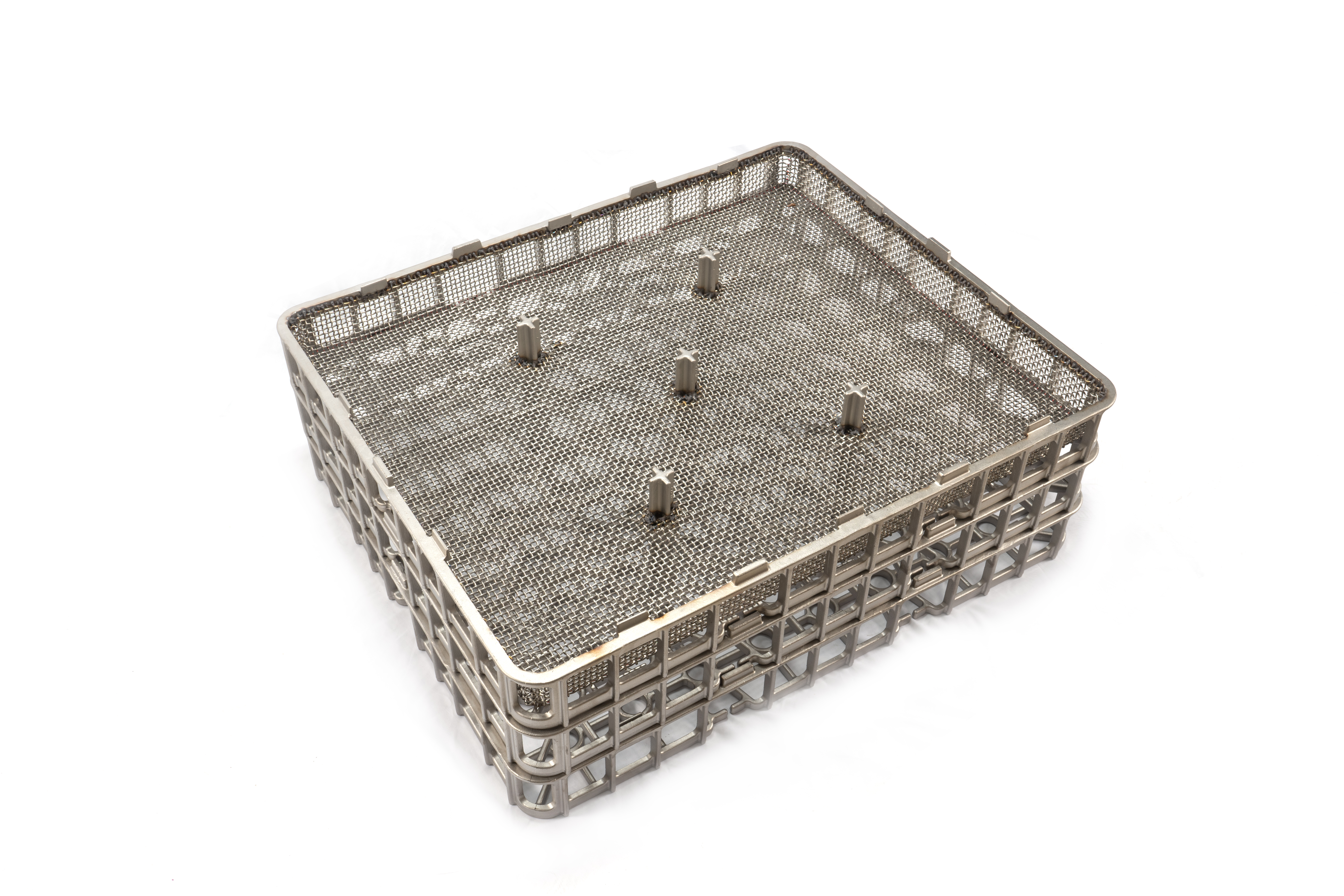
Investment casting represents one of the most versatile and precise metal forming processes available in modern manufacturing. This ancient technique, also known as lost-wax casting, has evolved into a sophisticated manufacturing method that produces components with exceptional dimensional accuracy and surface finish. The process enables manufacturers to create complex geometries that would be difficult or impossible to achieve through traditional machining methods, making it an essential technology across aerospace, automotive, medical, and industrial applications.
The selection of appropriate materials for investment casting operations requires careful consideration of multiple factors including temperature resistance, chemical compatibility, and mechanical properties. Understanding these material characteristics enables manufacturers to optimize their casting processes while ensuring consistent quality and dimensional accuracy. Modern investment casting facilities utilize advanced material science to push the boundaries of what can be achieved through this time-tested manufacturing method.
Foundational Materials in Investment Casting Operations
Wax Pattern Materials and Compositions
The foundation of any successful investment casting operation begins with the selection of appropriate wax materials for pattern creation. Modern investment casting facilities typically employ various wax formulations, each designed for specific applications and temperature requirements. Standard casting waxes consist of natural and synthetic components that provide the necessary flow characteristics, dimensional stability, and burnout properties essential for high-quality castings.
Synthetic wax formulations have become increasingly popular in contemporary investment casting operations due to their consistent properties and enhanced performance characteristics. These materials offer superior dimensional stability compared to traditional natural waxes, reducing pattern distortion during handling and assembly processes. The controlled composition of synthetic waxes also ensures predictable burnout behavior, which is critical for maintaining shell integrity during the dewaxing phase.
Pattern wax selection directly impacts the surface finish and dimensional accuracy of the final cast components. High-quality wax materials produce smoother pattern surfaces, which translate to better surface finishes on the finished castings. Investment casting professionals must balance factors such as injection temperature, cooling time, and pattern removal characteristics when selecting the optimal wax formulation for their specific applications.
Investment Shell Materials and Ceramic Systems
The ceramic shell system forms the heart of the investment casting process, providing the mold cavity that determines the final shape and surface quality of cast components. Primary shell materials typically consist of fine refractory particles suspended in a colloidal silica binder solution. This initial coating, known as the face coat, directly contacts the wax pattern and significantly influences the surface finish of the final casting.
Secondary shell layers utilize progressively coarser refractory materials to build thickness and structural strength while maintaining cost effectiveness. Common refractory materials include fused silica, zircon, alumina, and various specialty ceramics selected based on the casting alloy and temperature requirements. The selection of appropriate refractory materials for each shell layer requires careful consideration of thermal expansion characteristics, chemical reactivity, and mechanical strength properties.
Modern investment casting operations often employ specialized ceramic additives to enhance shell performance characteristics. These additives may include organic burnout aids to improve shell permeability, strength enhancers to reduce shell cracking, and surface active agents to improve coating uniformity. The careful selection and application of these materials enable manufacturers to achieve consistent shell quality while minimizing defect rates in their casting operations.
Metal Alloys and Casting Materials
Ferrous Alloy Systems for Investment Casting
Ferrous alloys represent a significant portion of materials processed through investment casting operations, offering excellent mechanical properties and cost effectiveness for many applications. Stainless steel alloys are particularly well-suited to the investment casting process due to their excellent fluidity characteristics and resistance to oxidation during melting and pouring operations.
Carbon and low-alloy steels can also be successfully processed through investment casting, though special consideration must be given to their reactivity with shell materials at casting temperatures. The selection of appropriate shell systems becomes critical when casting ferrous alloys to prevent chemical reactions that could compromise surface quality or dimensional accuracy. Modern investment casting facilities often employ specialized shell materials designed specifically for ferrous alloy applications.
Tool steels and high-performance ferrous alloys have found increasing application in investment casting as manufacturers seek to produce complex components with superior wear resistance and mechanical properties. These materials require careful temperature control and specialized handling procedures to achieve optimal results, but offer significant advantages in applications where traditional manufacturing methods would be cost prohibitive or technically challenging.
Non-Ferrous Casting Alloys and Applications
Non-ferrous alloys offer unique advantages in investment casting applications, particularly where weight reduction, corrosion resistance, or specialized mechanical properties are required. Aluminum alloys are extensively used in investment casting operations due to their excellent casting characteristics, light weight, and good corrosion resistance properties. These materials are particularly valuable in aerospace and automotive applications where weight reduction is critical.
Copper-based alloys, including bronzes and brasses, have traditionally been important materials for investment casting operations. These alloys offer excellent fluidity and surface finish characteristics, making them ideal for decorative applications and precision components. The good thermal and electrical conductivity of copper alloys also makes them valuable for specialized industrial applications where these properties are essential.
Titanium and its alloys represent the premium end of investment casting materials, offering exceptional strength-to-weight ratios and corrosion resistance properties. Investment casting titanium requires specialized equipment and procedures due to the material's reactivity at casting temperatures, but the process enables the production of complex titanium components that would be extremely expensive to manufacture through traditional machining methods.
Specialized Materials and Advanced Applications
Superalloy Investment Casting Materials
Superalloy investment casting represents one of the most technically demanding applications of the process, requiring specialized materials and procedures to achieve acceptable results. Nickel-based superalloys are extensively used in aerospace applications where components must maintain their mechanical properties at elevated temperatures. These materials present unique challenges in investment casting due to their high melting temperatures and reactivity with conventional shell materials.
Investment casting superalloys requires specialized refractory materials and controlled atmosphere melting systems to prevent contamination and achieve the required mechanical properties. The shell materials must be carefully selected to withstand the high casting temperatures while maintaining dimensional stability and preventing chemical reactions with the molten metal. Advanced ceramic systems have been developed specifically for superalloy investment casting applications.
The development of single-crystal and directionally solidified superalloy components through investment casting has revolutionized gas turbine technology. These advanced casting techniques require precise control of all materials in the casting system, from the shell ceramics to the specialized furnace atmospheres used during solidification. The investment casting process enables the production of complex internal cooling passages and intricate external geometries that are essential for modern turbine blade designs.
Precious Metal and Medical Alloy Systems
Precious metal investment casting requires specialized materials and procedures due to the high value and unique properties of these alloys. Gold, silver, and platinum alloys are commonly processed through investment casting for jewelry, dental, and electronic applications. These materials require careful temperature control and specialized shell systems to prevent contamination and achieve the required surface finish characteristics.
Medical alloys represent a growing segment of investment casting applications, with materials such as cobalt-chromium and titanium alloys used for orthopedic implants and surgical instruments. These applications require strict adherence to material purity standards and traceability requirements. Investment casting enables the production of complex medical components with excellent surface finish and dimensional accuracy characteristics that are essential for biocompatibility.
The processing of reactive metals through investment casting requires specialized atmospheric controls and shell materials designed to prevent contamination. Vacuum investment casting systems have been developed to process these sensitive materials while maintaining their purity and mechanical properties. These advanced systems enable the production of high-performance components for aerospace, medical, and industrial applications where material properties are critical.
Process Equipment and Furnace Materials
Melting and Pouring Equipment Materials
The materials used in investment casting melting and pouring equipment significantly impact the quality and consistency of cast components. Crucible materials must be carefully selected based on the alloys being processed, with options ranging from clay-graphite systems for ferrous alloys to high-purity ceramics for reactive metals. The selection of appropriate crucible materials helps prevent contamination and ensures consistent metal chemistry in the finished castings.
Induction melting systems commonly used in investment casting operations require specialized refractory linings designed to withstand thermal cycling and chemical attack from molten metals. These refractory materials must maintain their structural integrity while providing consistent thermal properties throughout the melting cycle. Modern investment casting facilities often employ monolithic refractory systems that can be easily maintained and replaced as needed.
Pouring systems and runners require materials that can withstand the thermal shock of molten metal while maintaining dimensional stability. Ceramic and refractory metal materials are commonly used for these applications, with selection based on the specific alloys being cast and the required production volumes. The investment casting process benefits from consistent pouring temperatures and flow rates, making the selection of appropriate equipment materials critical for process control.
Heat Treatment and Processing Furnace Components
Heat treatment furnaces used in investment casting operations require specialized refractory materials designed to provide consistent temperature distribution and atmospheric control. The furnace linings must withstand repeated thermal cycling while maintaining their thermal properties and structural integrity. Investment casting components often require precise heat treatment cycles to achieve the specified mechanical properties, making furnace material selection critical for process success.
Controlled atmosphere systems used in investment casting heat treatment require specialized materials for gas handling and distribution components. These materials must be compatible with the processing atmospheres while providing long service life and consistent performance. The investment casting process often utilizes reducing atmospheres or vacuum conditions that require careful material selection to prevent contamination or equipment degradation.
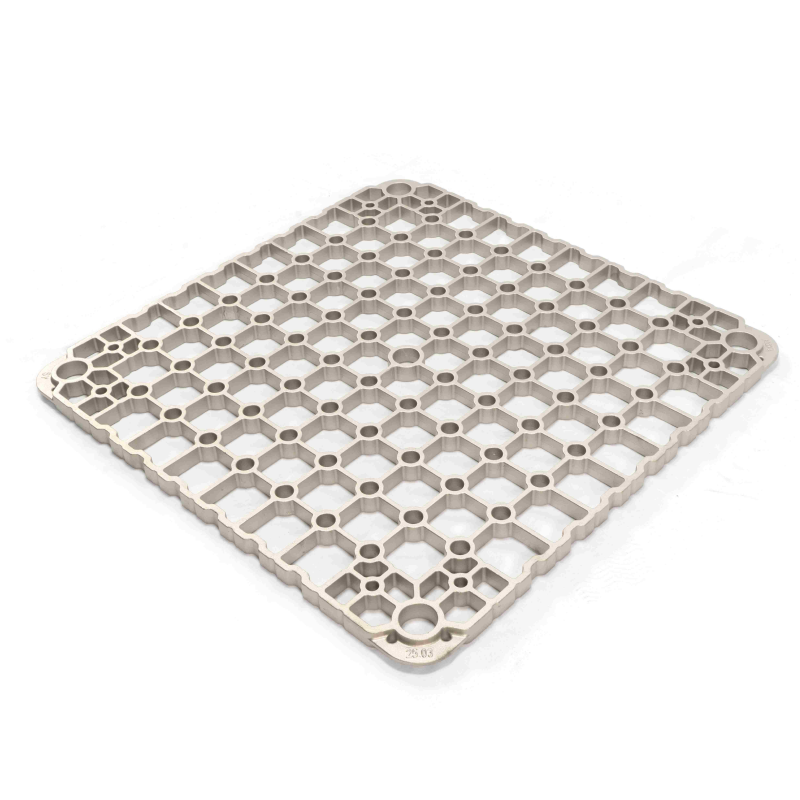
Fixturing materials used in investment casting heat treatment operations must provide dimensional stability while withstanding the processing temperatures and atmospheres. Refractory metals and advanced ceramics are commonly used for these applications, with selection based on the specific alloys being processed and the required dimensional tolerances. Investment casting fixtures often require complex geometries that can only be economically produced through specialized manufacturing methods.
Quality Control and Material Testing
Material Characterization and Analysis Methods
Quality control in investment casting operations requires comprehensive material testing and characterization programs to ensure consistent component properties. Chemical analysis of both raw materials and finished castings is essential for maintaining alloy specifications and traceability requirements. Modern investment casting facilities employ advanced analytical techniques including X-ray fluorescence spectroscopy and optical emission spectroscopy for rapid and accurate chemical analysis.
Mechanical property testing of investment casting materials requires specialized specimen preparation techniques due to the complex geometries often produced through this process. Standard tensile and impact specimens can be cast integrally with production components or manufactured separately using identical processing conditions. Investment casting enables the production of test specimens with material properties representative of actual production components, providing valuable data for design and quality assurance purposes.
Microstructural analysis of investment casting materials provides essential information about solidification patterns, grain structure, and potential defect mechanisms. Metallographic examination techniques including light microscopy, scanning electron microscopy, and X-ray diffraction are commonly employed to characterize cast materials. Investment casting processes can be optimized based on microstructural analysis results to improve mechanical properties and reduce defect rates.
Defect Analysis and Material Compatibility
Defect analysis in investment casting operations requires understanding the interactions between all materials in the casting system. Shell-metal reactions can produce surface defects and dimensional variations that compromise component quality. The selection of compatible shell materials for specific casting alloys is essential for preventing chemical reactions that could affect surface finish or mechanical properties.
Porosity and inclusion formation in investment casting can result from inappropriate material selection or processing conditions. Gas porosity may result from inadequate degassing of molten metal or excessive moisture in shell materials. Investment casting defect analysis often requires correlation of material properties with processing parameters to identify root causes and implement effective corrective actions.
Dimensional accuracy and surface finish problems in investment casting can often be traced to material compatibility issues or inadequate material preparation procedures. Shell expansion coefficients must be matched to the casting alloy to prevent dimensional distortion during solidification. Investment casting success depends on careful attention to all material interactions throughout the process chain from pattern creation to final heat treatment.
Environmental and Safety Considerations
Material Handling and Storage Requirements
Safe handling and storage of investment casting materials requires comprehensive understanding of material properties and potential hazards. Many refractory materials contain crystalline silica, which requires appropriate respiratory protection during handling and processing operations. Investment casting facilities must implement effective dust control measures and provide appropriate personal protective equipment for personnel working with these materials.
Chemical storage and handling procedures for investment casting operations must address the unique properties of colloidal silica binders, wax materials, and various ceramic additives. Many of these materials have specific temperature and humidity storage requirements to maintain their properties and shelf life. Investment casting quality depends on proper material storage conditions and inventory rotation to ensure consistent material performance.
Waste material management in investment casting operations requires specialized procedures for handling spent shell materials, used wax, and metal processing byproducts. Many shell materials can be reclaimed and recycled, reducing both environmental impact and material costs. Investment casting facilities must develop comprehensive waste management programs that address both environmental compliance and economic considerations.
Environmental Impact and Sustainability
Sustainable material selection in investment casting operations focuses on reducing environmental impact while maintaining component quality and performance. Recyclable shell materials and environmentally friendly wax formulations are increasingly important considerations for modern casting operations. Investment casting enables near-net-shape manufacturing that minimizes material waste compared to traditional machining processes.
Energy consumption in investment casting is significantly influenced by material selection, particularly for shell drying and metal melting operations. Optimized shell systems can reduce firing temperatures and cycle times, resulting in lower energy consumption and reduced environmental impact. Investment casting facilities are increasingly adopting energy-efficient equipment and processes to reduce their carbon footprint while maintaining productivity.
Water usage and treatment in investment casting operations requires careful consideration of shell slurry preparation and equipment cleaning procedures. Closed-loop water systems and advanced filtration technologies can significantly reduce water consumption and environmental discharge. Investment casting facilities must balance environmental stewardship with operational efficiency to maintain competitive advantage while meeting sustainability goals.
FAQ
What are the most critical material selection factors for investment casting success
The most critical factors include thermal expansion compatibility between shell and metal, chemical compatibility to prevent reactions, appropriate refractory grain size for desired surface finish, and proper burnout characteristics for wax patterns. Investment casting success depends on careful balance of all these material properties to achieve consistent quality and dimensional accuracy in finished components.
How do material costs impact investment casting project economics
Material costs in investment casting typically represent 30-50% of total production costs, making material selection crucial for project economics. While premium materials may have higher initial costs, they often provide better yields and reduced scrap rates. Investment casting projects must evaluate total cost of ownership including material costs, processing efficiency, and quality considerations to optimize profitability.
What quality control measures are essential for investment casting materials
Essential quality control measures include incoming material inspection and testing, process monitoring during shell building and metal melting, and comprehensive final inspection of cast components. Investment casting operations should maintain material traceability throughout the process and implement statistical process control methods to identify trends and prevent quality problems before they affect production.
How has material technology advanced in modern investment casting operations
Modern material technology has introduced advanced ceramic shell systems with improved thermal shock resistance, synthetic wax formulations with better dimensional stability, and specialized refractory materials for reactive metal casting. Investment casting has also benefited from improved analytical techniques for material characterization and process control, enabling more consistent quality and expanded application ranges for the process.
Table of Contents
- Foundational Materials in Investment Casting Operations
- Metal Alloys and Casting Materials
- Specialized Materials and Advanced Applications
- Process Equipment and Furnace Materials
- Quality Control and Material Testing
- Environmental and Safety Considerations
-
FAQ
- What are the most critical material selection factors for investment casting success
- How do material costs impact investment casting project economics
- What quality control measures are essential for investment casting materials
- How has material technology advanced in modern investment casting operations