
 EN
EN
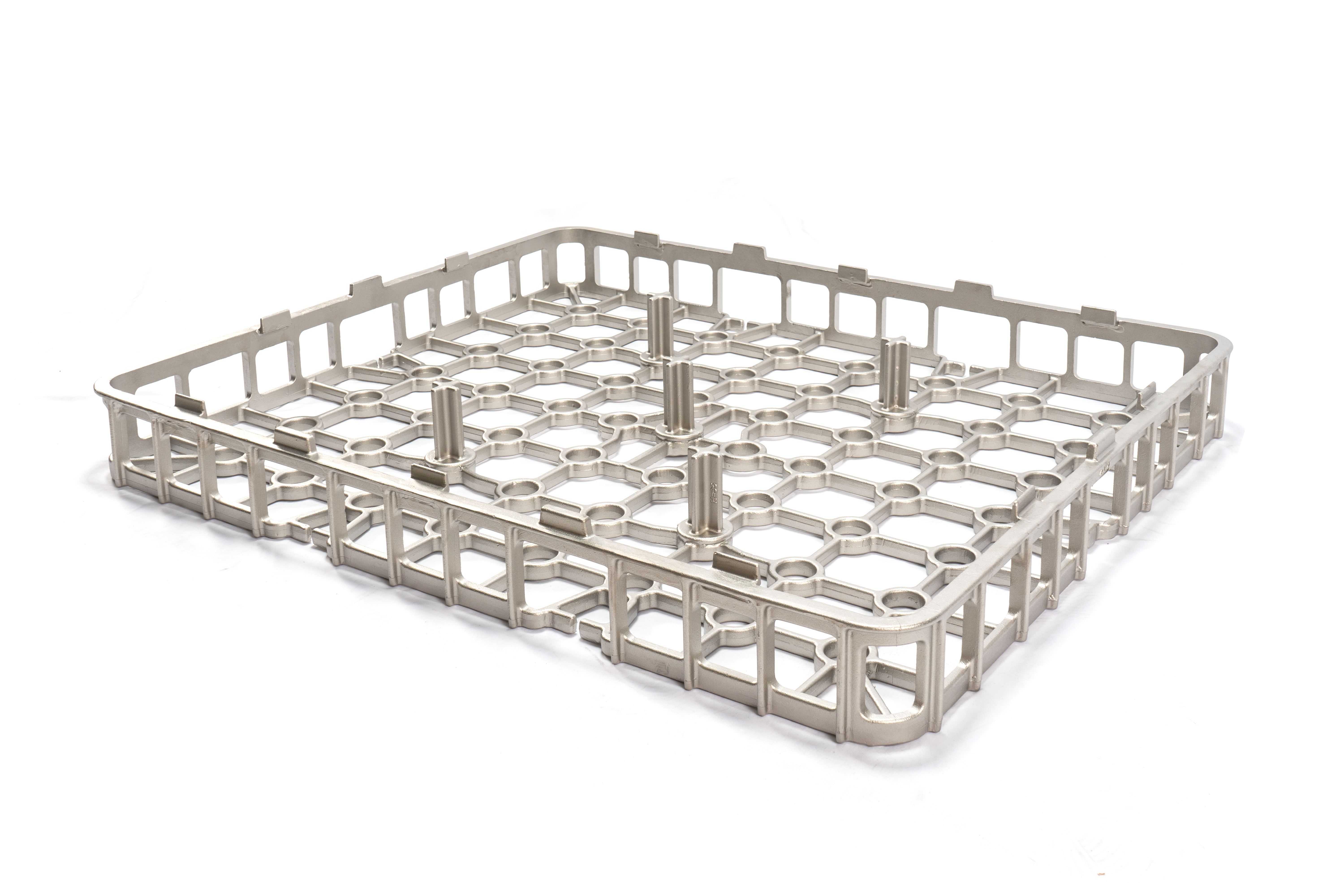
Manufacturing industries worldwide are increasingly recognizing the transformative impact of investment casting on their bottom line. This precision metal forming process delivers exceptional cost benefits that extend far beyond initial production savings. Modern investment casting techniques offer manufacturers a competitive edge through reduced material waste, enhanced design flexibility, and superior component quality that translates directly into operational cost reductions.
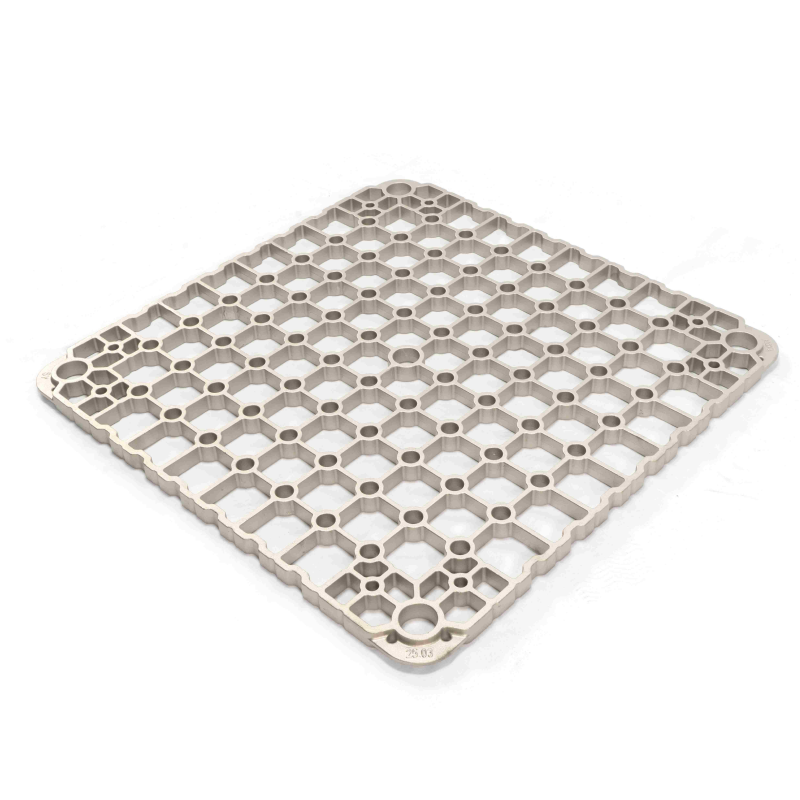
The economic advantages of investment casting become particularly evident when analyzing long-term production costs across various industrial sectors. Companies implementing this technology report significant reductions in secondary machining requirements, improved material utilization rates, and enhanced production efficiency that compounds over time. These benefits make investment casting an increasingly attractive option for manufacturers seeking to optimize their production processes while maintaining high quality standards.
Understanding Investment Casting Economics
Material Utilization Efficiency
Investment casting demonstrates remarkable efficiency in material utilization, achieving waste reduction rates of up to 90% compared to traditional machining processes. This precision manufacturing technique creates near-net-shape components that require minimal secondary processing, effectively maximizing the value extracted from raw materials. The process eliminates the substantial material losses typically associated with subtractive manufacturing methods.
Raw material costs represent a significant portion of manufacturing expenses, particularly when working with expensive alloys or specialized metals. Investment casting optimizes material usage by creating components that closely match final specifications, reducing the need for extensive machining operations that generate costly waste. This efficiency becomes increasingly important as material costs continue to fluctuate in global markets.
The economic impact extends beyond immediate material savings to encompass reduced handling, storage, and disposal costs associated with manufacturing waste. Companies utilizing investment casting report decreased requirements for waste management services and reduced environmental compliance costs, contributing to overall operational efficiency and sustainability goals.
Labor Cost Optimization
Labor represents another significant cost factor where investment casting delivers substantial advantages through process automation and reduced manual intervention requirements. The casting process inherently requires fewer skilled operators per unit produced compared to traditional machining operations, resulting in lower direct labor costs per component.
Secondary processing requirements are dramatically reduced through investment casting, eliminating numerous labor-intensive finishing operations. Components emerge from the casting process requiring minimal additional work to meet final specifications, reducing both skilled and semi-skilled labor requirements across the production line.
Quality control processes also benefit from the inherent consistency of investment casting, requiring fewer inspection points and reducing the labor costs associated with quality assurance activities. This consistency translates into predictable production schedules and reduced rework costs that further enhance overall economic performance.
Production Efficiency Advantages
Cycle Time Reductions
Investment casting significantly reduces overall production cycle times through the elimination of multiple manufacturing steps typically required with conventional production methods. Complex geometries that would require numerous machining operations can be produced in a single casting cycle, dramatically compressing lead times and improving production throughput.
The ability to produce multiple components simultaneously through cluster casting further enhances production efficiency. This approach maximizes furnace utilization while reducing per-unit processing time, creating economies of scale that benefit both high-volume and specialized production runs.
Setup times are minimized through the repeatability of the investment casting process, allowing for rapid transitions between different component types. This flexibility enables manufacturers to respond quickly to changing market demands while maintaining efficient production schedules.
Quality Consistency Benefits
The controlled nature of investment casting produces exceptional dimensional consistency that reduces quality-related costs throughout the production cycle. Components maintain tight tolerances with minimal variation, reducing inspection requirements and eliminating costs associated with dimensional corrections or component rejection.
Surface finish quality achieved through investment casting often eliminates the need for additional finishing operations, reducing both processing time and associated costs. The superior surface characteristics inherent in the casting process contribute to improved component performance while reducing post-processing requirements.
Defect rates are significantly lower with investment casting compared to many alternative manufacturing methods, reducing costs associated with rework, scrap, and warranty claims. This reliability enhances customer satisfaction while protecting profit margins through consistent quality delivery.
Design Flexibility and Cost Impact
Complex Geometry Capabilities
Investment casting enables the production of complex internal passages, undercuts, and intricate geometries that would be impossible or extremely expensive to achieve through traditional machining methods. This capability eliminates the need for assembly operations that combine multiple machined components, reducing both material and labor costs while improving component reliability.
The freedom to incorporate multiple features into a single casting reduces inventory complexity and associated carrying costs. Components that previously required separate manufacturing and assembly operations can be produced as integrated units, simplifying supply chain management and reducing handling costs.
Design optimization opportunities emerge when engineers can incorporate features that enhance component performance without increasing manufacturing complexity. Investment casting allows for the integration of cooling passages, weight reduction features, and performance enhancements that would be cost-prohibitive with other manufacturing methods.
Alloy Selection Flexibility
Investment casting accommodates a wide range of materials, from standard alloys to exotic metals, without requiring significant equipment modifications or tooling changes. This flexibility allows manufacturers to select optimal materials for specific applications while maintaining cost-effective production processes.
The ability to cast materials that are difficult to machine provides access to superior material properties while avoiding the high costs associated with machining challenging alloys. Hard-to-machine materials can be cast to near-net-shape, eliminating expensive machining operations while maintaining desired material characteristics.
Custom alloy development becomes more feasible through investment casting, allowing manufacturers to optimize material properties for specific applications without incurring prohibitive production costs. This capability supports innovation while maintaining economic viability across various production volumes.
Long-term Economic Benefits
Equipment and Tooling Considerations
Investment casting requires lower capital investment in production equipment compared to comprehensive machining centers needed for equivalent component production. The casting process utilizes relatively simple furnaces and handling equipment that offer excellent return on investment through high utilization rates and long service life.
Tooling costs for investment casting are often lower than those required for complex machining setups, particularly for intricate components that would require specialized fixtures and cutting tools. Pattern tooling represents a one-time investment that can produce thousands of castings, distributing tooling costs across large production volumes.
Maintenance requirements for investment casting equipment are typically lower than those for precision machining centers, reducing ongoing operational costs and improving equipment availability. This reliability contributes to predictable production schedules and consistent cost structures.
Scalability and Volume Economics
Investment casting demonstrates excellent scalability characteristics, with per-unit costs decreasing significantly as production volumes increase. The fixed costs associated with pattern development and process setup are distributed across larger quantities, improving economic performance for both medium and high-volume applications.
Production flexibility allows manufacturers to adjust output levels in response to market demands without significant changes in unit costs. This responsiveness provides competitive advantages in dynamic markets while maintaining cost effectiveness across varying production volumes.
The ability to consolidate multiple components into single castings becomes increasingly valuable at higher production volumes, where the economic benefits of reduced assembly operations multiply across thousands of units. This consolidation effect amplifies the cost advantages of investment casting as production scales increase.
Industry-Specific Cost Applications
Aerospace and Defense Sectors
Aerospace applications particularly benefit from investment casting economics due to the high value of materials and the critical importance of weight reduction. The ability to produce hollow, lightweight components with complex internal structures delivers substantial material savings while meeting stringent performance requirements.
Certification costs in aerospace manufacturing make the consistent quality of investment casting particularly valuable, as the process reliability reduces the risk of expensive recertification requirements. The dimensional consistency and material integrity achieved through investment casting support streamlined approval processes.
Defense applications leverage investment casting for cost-effective production of critical components that require exceptional durability and performance. The process enables the use of advanced materials while maintaining reasonable production costs, supporting both current production and long-term sustainment requirements.
Automotive and Industrial Applications
Automotive manufacturers utilize investment casting to achieve cost reductions in high-volume production while maintaining the quality standards required for safety-critical components. The process enables the production of complex engine components, transmission parts, and suspension elements with excellent cost performance ratios.
Industrial equipment manufacturers benefit from investment casting through the production of wear-resistant components that demonstrate extended service life. The superior material properties and dimensional accuracy achieved through casting translate into reduced maintenance costs and improved equipment reliability for end users.
The automotive industry's emphasis on weight reduction for fuel efficiency improvements aligns perfectly with investment casting capabilities, allowing manufacturers to produce lightweight components without compromising strength or durability while maintaining cost competitiveness.
FAQ
How does investment casting reduce overall production costs compared to machining
Investment casting reduces production costs through multiple mechanisms including material waste elimination, reduced labor requirements, and shortened production cycles. The near-net-shape capability minimizes material usage while eliminating numerous machining operations, resulting in cost savings of 20-40% compared to traditional machining for complex components. Additionally, the process consistency reduces quality control costs and eliminates expensive rework operations.
What factors determine the economic viability of investment casting for specific applications
Economic viability depends on component complexity, production volume, material type, and quality requirements. Investment casting becomes particularly cost-effective for complex geometries that would require multiple machining operations, components using expensive materials where waste reduction is critical, and applications requiring high dimensional accuracy. Production volumes above 100 units typically justify the initial tooling investment, with economics improving significantly at higher quantities.
How do material costs compare between investment casting and alternative manufacturing methods
Investment casting typically achieves 85-95% material utilization compared to 30-60% for machining operations, resulting in substantial material cost savings particularly when working with expensive alloys. The process eliminates the need for oversized billets and reduces scrap generation, making it especially economical for precious metals, superalloys, and other high-value materials commonly used in aerospace and industrial applications.
What are the long-term cost benefits of implementing investment casting in manufacturing operations
Long-term benefits include reduced equipment maintenance costs due to lower tooling wear, decreased inventory requirements through component consolidation, and improved product reliability leading to reduced warranty costs. The process scalability provides cost advantages as production volumes increase, while the ability to produce complex geometries enables design optimizations that improve component performance and reduce assembly costs over the product lifecycle.
Table of Contents
- Understanding Investment Casting Economics
- Production Efficiency Advantages
- Design Flexibility and Cost Impact
- Long-term Economic Benefits
- Industry-Specific Cost Applications
-
FAQ
- How does investment casting reduce overall production costs compared to machining
- What factors determine the economic viability of investment casting for specific applications
- How do material costs compare between investment casting and alternative manufacturing methods
- What are the long-term cost benefits of implementing investment casting in manufacturing operations