
 EN
EN

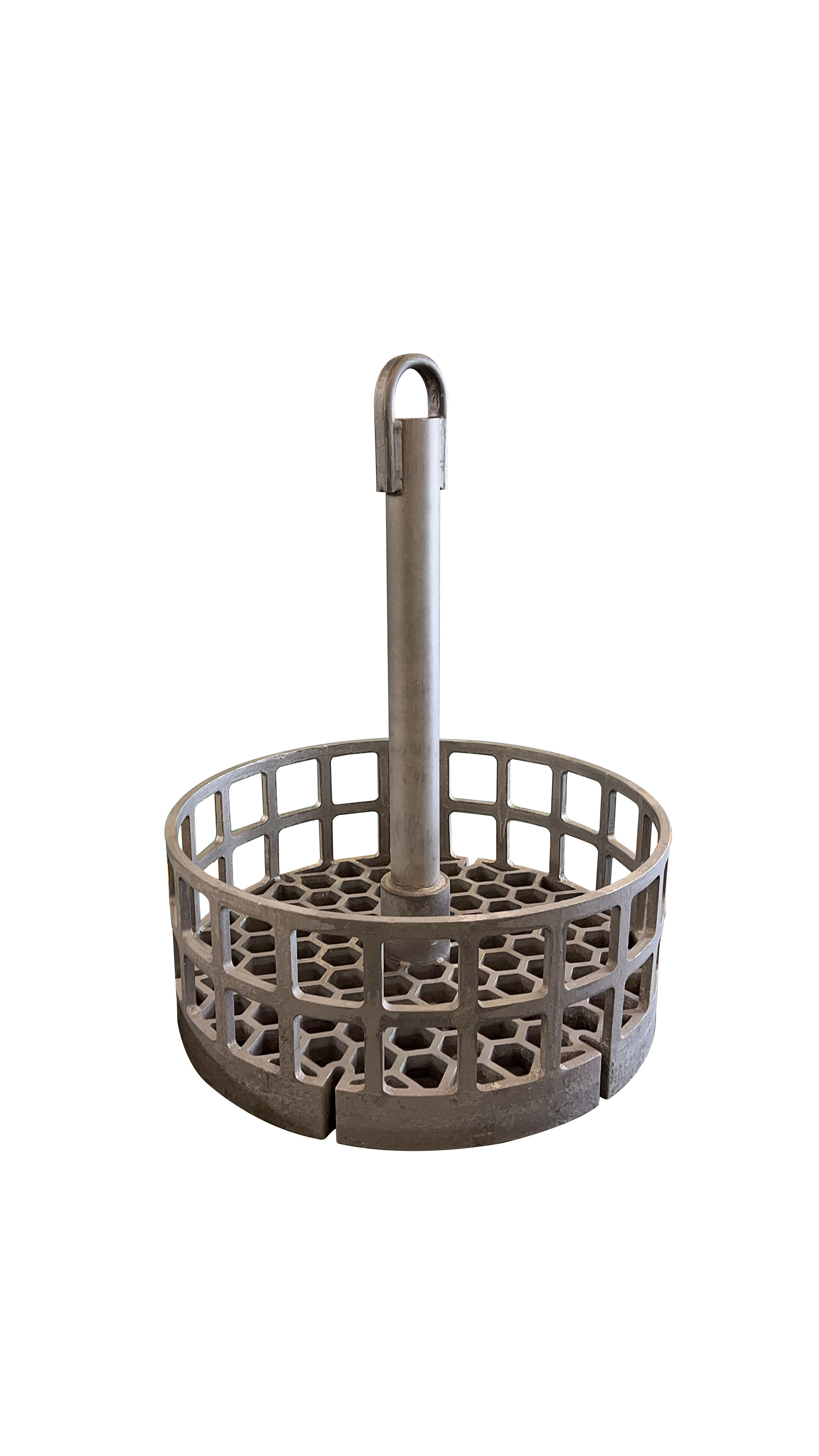
Cast steel represents one of the most versatile and reliable materials in industrial manufacturing, offering exceptional strength characteristics that make it indispensable across numerous applications. Understanding the fundamental properties of cast steel is crucial for engineers, procurement specialists, and manufacturing professionals who need to make informed decisions about material selection for critical components and structures.
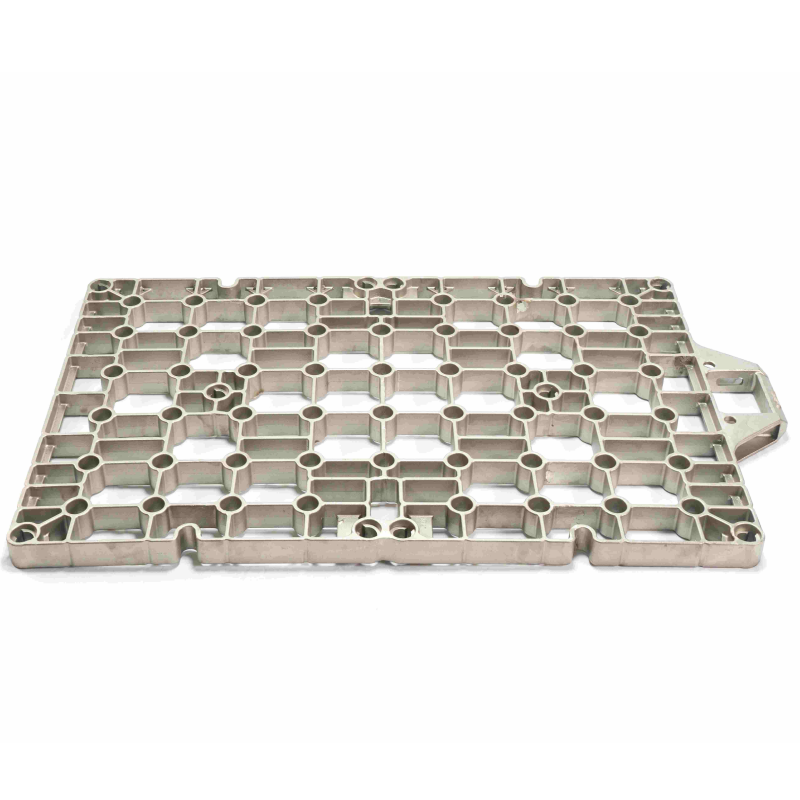
The strength and durability characteristics of cast steel derive from its unique manufacturing process and metallurgical structure, which allows for precise control over mechanical properties while maintaining cost-effectiveness. These attributes have established cast steel as a preferred material for applications ranging from heavy machinery components to architectural elements, where both structural integrity and longevity are paramount considerations.
Fundamental Strength Properties of Cast Steel
Tensile Strength Characteristics
The tensile strength of cast steel typically ranges from 400 to 800 MPa, depending on the specific alloy composition and heat treatment applied during manufacturing. This broad range allows engineers to select cast steel grades that precisely match the mechanical requirements of their applications, ensuring optimal performance without over-engineering costs.
Cast steel demonstrates excellent ductility compared to other casting materials, with elongation values often exceeding 20% in standard grades. This ductility enables the material to absorb energy during loading, providing a safety margin against sudden failure and making it particularly suitable for dynamic loading conditions.
The yield strength of cast steel generally falls between 250 and 600 MPa, offering substantial load-bearing capacity for structural applications. This property is particularly important in designs where permanent deformation must be avoided, as the yield strength represents the maximum stress the material can withstand while maintaining its original dimensions.
Compressive Strength Performance
Cast steel exhibits exceptional compressive strength, often exceeding its tensile strength by significant margins. This characteristic makes it ideal for applications involving heavy loads, compression forces, and bearing applications where material crushing resistance is critical.
The compressive strength values typically range from 600 to 1200 MPa in standard cast steel grades, providing substantial safety margins for most industrial applications. This property, combined with the material's ability to distribute loads effectively, contributes to the overall structural integrity of cast steel components.
Under sustained compressive loading, cast steel demonstrates minimal creep deformation at normal operating temperatures, ensuring dimensional stability over extended service periods. This behavior is particularly valuable in precision applications where maintaining tight tolerances is essential for proper function.
Durability and Longevity Factors
Corrosion Resistance Properties
The corrosion resistance of cast steel varies significantly based on alloy composition, with standard carbon grades requiring protective coatings or surface treatments for optimal durability. However, specialty cast steel alloys incorporating chromium, nickel, or other alloying elements can provide substantial corrosion resistance without additional treatments.
In marine and chemical environments, properly selected cast steel alloys can deliver service lives comparable to more expensive materials while maintaining superior mechanical properties. The key lies in understanding the specific corrosive environment and selecting appropriate alloy compositions to match those conditions.
Surface preparation and protective coating systems can dramatically extend the service life of cast steel in corrosive environments. Modern coating technologies, when properly applied to prepared cast steel surfaces, can provide decades of reliable service even in challenging industrial atmospheres.
Wear Resistance and Surface Durability
Cast steel offers excellent wear resistance properties, particularly in applications involving metal-to-metal contact or abrasive conditions. The material's hardness can be controlled through heat treatment processes, allowing optimization for specific wear conditions while maintaining acceptable toughness levels.
The microstructure of cast steel provides natural resistance to galling and seizing, making it suitable for bearing surfaces and sliding contact applications. This property reduces maintenance requirements and extends component life in machinery applications where relative motion occurs between parts.
Through selective hardening processes, cast steel components can achieve surface hardness values exceeding 60 HRC while maintaining a tough, ductile core. This combination provides optimal wear resistance at contact surfaces while preserving impact resistance and overall component integrity.
Temperature Performance and Thermal Properties
High-Temperature Strength Retention
Cast steel maintains significant strength at elevated temperatures, with many grades retaining over 80% of room temperature strength at 400°C. This temperature stability makes cast steel suitable for applications in power generation, petrochemical processing, and other high-temperature industrial environments.
The thermal expansion coefficient of cast steel remains relatively constant across normal operating temperature ranges, ensuring predictable dimensional changes during thermal cycling. This predictability is crucial for maintaining proper clearances and fits in precision machinery applications.
Specialized high-temperature cast steel alloys can maintain useful strength properties at temperatures exceeding 600°C, making them suitable for furnace components, heat treatment fixtures, and other extreme temperature applications where material integrity is paramount.
Thermal Fatigue Resistance
Cast steel demonstrates excellent resistance to thermal fatigue, withstanding repeated heating and cooling cycles without developing significant crack networks. This property is particularly valuable in applications such as engine components, heat exchangers, and thermal processing equipment.
The material's ability to accommodate thermal stresses through controlled deformation helps prevent catastrophic failure modes associated with brittle materials. This toughness under thermal cycling conditions contributes significantly to the overall reliability and service life of cast steel components.
Proper design considerations, including appropriate section thickness variations and stress concentration minimization, can maximize the thermal fatigue resistance of cast steel components. These design principles, combined with the material's inherent properties, enable extended service life in challenging thermal environments.
Mechanical Property Optimization Through Processing
Heat Treatment Effects on Strength
Heat treatment processes can significantly modify the mechanical properties of cast steel, allowing customization of strength, hardness, and toughness to match specific application requirements. Normalized cast steel typically provides a good balance of strength and ductility for general-purpose applications.
Quenching and tempering treatments can achieve strength levels approaching those of forged steels while maintaining the geometric flexibility advantages of casting. These processes enable the production of high-strength cast steel components with tensile strengths exceeding 1000 MPa in some alloy systems.
Stress relief treatments are particularly important for large or complex cast steel components, as they reduce residual stresses that could affect dimensional stability or fatigue performance. Proper stress relief procedures ensure that the mechanical properties measured on test specimens are representative of actual component performance.
Alloy Design for Enhanced Durability
Strategic alloying of cast steel can dramatically improve specific durability characteristics while maintaining manufacturability and cost-effectiveness. Chromium additions enhance corrosion resistance and hardenability, while molybdenum improves high-temperature strength and creep resistance.
Nickel alloying improves toughness at low temperatures and enhances overall ductility, making cast steel suitable for cryogenic applications or impact-loading conditions. These alloy additions must be carefully balanced to achieve desired properties without compromising castability or weldability.
Microalloying with elements such as vanadium or titanium can provide grain refinement and precipitation strengthening effects, resulting in improved strength-to-weight ratios and enhanced fatigue resistance. These advanced alloying approaches enable cast steel to compete effectively with more expensive material alternatives.
Design Considerations for Optimal Performance
Section Thickness Effects on Properties
The mechanical properties of cast steel can vary significantly with section thickness due to differences in cooling rates during solidification. Thin sections typically exhibit higher strength and hardness but may have reduced toughness compared to thick sections of the same alloy.
Understanding these section sensitivity effects is crucial for proper component design, as it allows engineers to predict property variations within complex castings and design accordingly. Critical load-bearing areas can be positioned in sections where optimal properties are expected.
Uniform section thickness design, where possible, helps ensure consistent properties throughout cast steel components. When section thickness variations are necessary, gradual transitions and appropriate fillet radii can minimize stress concentrations and property variations.
Joint Design and Welding Considerations
Cast steel offers excellent weldability compared to many other high-strength materials, enabling repair, modification, and joining operations without significant property degradation. Proper welding procedures and post-weld heat treatment can achieve joint strengths approaching those of the base material.
The thermal mass of cast steel components must be considered during welding operations, as preheating may be necessary to prevent rapid cooling and potential cracking. Controlled cooling rates after welding help ensure optimal microstructure and properties in the heat-affected zone.
Hybrid designs combining cast steel with other materials can leverage the unique advantages of each material type while minimizing individual limitations. These approaches require careful consideration of thermal expansion differences and joint design to ensure long-term reliability.
FAQ
What factors most significantly influence cast steel strength properties?
The primary factors affecting cast steel strength include alloy composition, heat treatment, section thickness, and cooling rate during solidification. Carbon content directly impacts strength and hardness, while alloying elements like chromium, nickel, and molybdenum provide specific property enhancements. Heat treatment processes such as normalizing, quenching, and tempering allow precise control over mechanical properties to match application requirements.
How does cast steel durability compare to other manufacturing materials?
Cast steel offers superior durability compared to most other casting materials, with excellent resistance to wear, impact, and thermal cycling. While not inherently corrosion-resistant like stainless alloys, cast steel can be protected through coatings or alloying to achieve comparable service life. Its combination of strength, toughness, and repairability often provides better long-term value than higher-cost alternatives in many industrial applications.
Can cast steel properties be modified after initial manufacturing?
Yes, cast steel properties can be significantly modified through post-casting heat treatment processes. Normalizing, hardening, tempering, and stress relief treatments allow adjustment of strength, hardness, and toughness to meet specific requirements. Surface treatments such as carburizing or nitriding can enhance wear resistance, while welding enables repair and modification of existing components without complete replacement.
What temperature limitations should be considered for cast steel applications?
Standard cast steel grades maintain useful strength properties up to approximately 450°C, with gradual strength reduction at higher temperatures. Specialized high-temperature alloys can operate effectively at temperatures exceeding 600°C with appropriate alloy design. At low temperatures, cast steel maintains toughness better than many alternatives, though impact properties may decrease below -20°C depending on alloy composition and heat treatment.