
 EN
EN

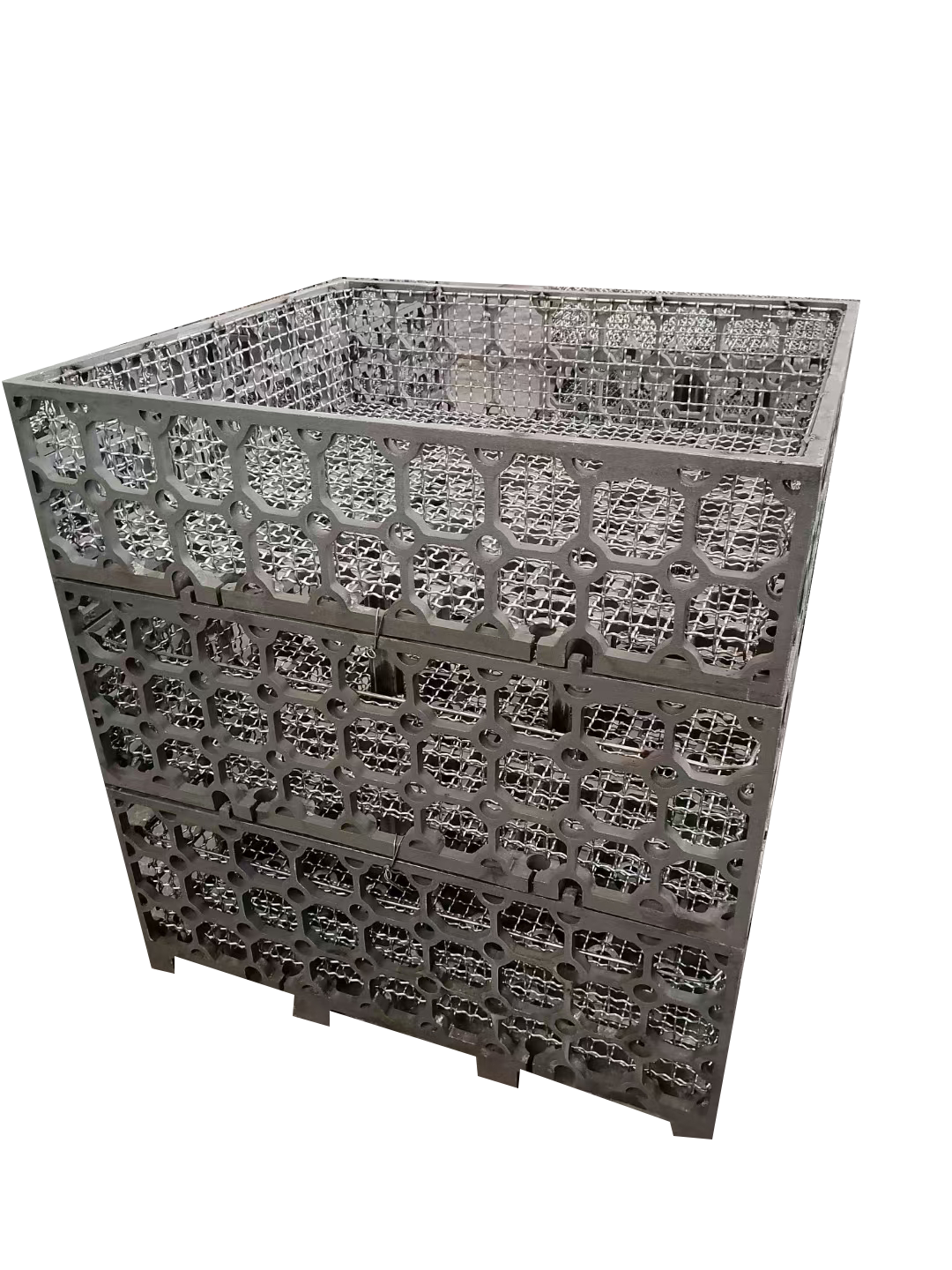
Selecting high-quality cast steel products requires a deep understanding of metallurgical properties, manufacturing processes, and application-specific requirements. The decision process involves evaluating multiple technical factors that directly impact performance, durability, and cost-effectiveness in industrial applications. Cast steel components serve critical functions across industries including energy, automotive, aerospace, and heavy machinery, where material failure can result in significant operational disruptions and safety concerns.
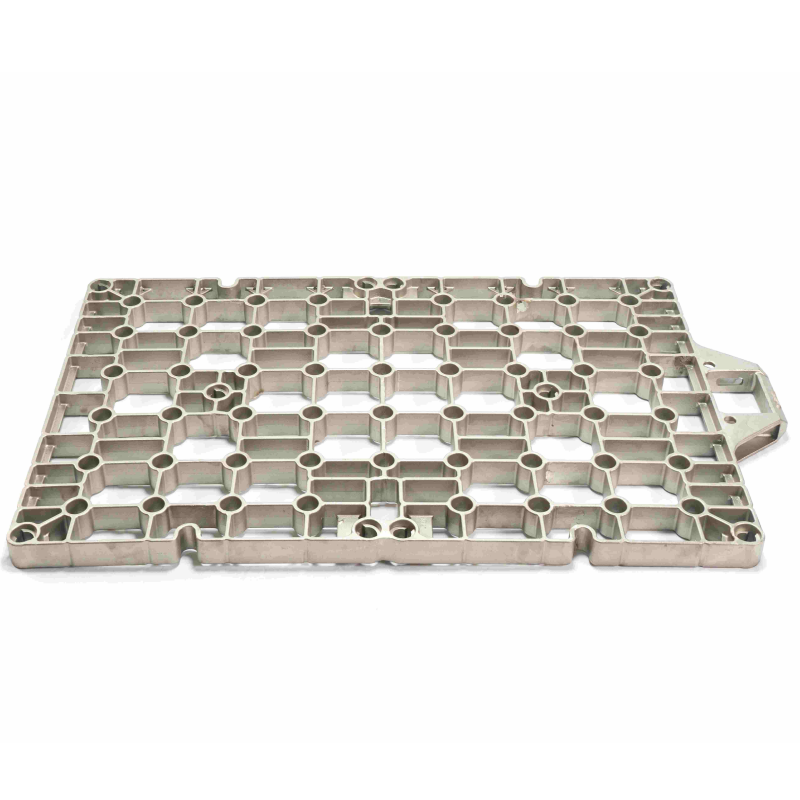
Quality cast steel selection demands systematic evaluation of material specifications, supplier capabilities, and long-term performance expectations. This comprehensive approach ensures that the chosen cast steel products will meet operational demands while providing optimal value throughout their service life. Understanding the key selection criteria enables procurement professionals and engineers to make informed decisions that align with both technical requirements and business objectives.
Understanding Cast Steel Material Properties
Chemical Composition Analysis
The chemical composition of cast steel fundamentally determines its mechanical properties and suitability for specific applications. Carbon content typically ranges from 0.1% to 1.7%, directly influencing hardness, strength, and ductility characteristics. Higher carbon content increases tensile strength and hardness but reduces ductility and weldability. Alloying elements such as chromium, nickel, molybdenum, and manganese enhance specific properties including corrosion resistance, high-temperature stability, and impact toughness.
Quality cast steel products require precise chemical composition control during the melting and casting process. Suppliers should provide detailed chemical analysis certificates showing actual composition versus specified ranges. Silicon content affects fluidity during casting and deoxidation properties, while sulfur and phosphorus levels must be controlled to prevent brittleness and poor machinability. Understanding these compositional relationships enables better selection of cast steel grades that match application requirements.
Advanced cast steel alloys may incorporate specialized elements like vanadium for grain refinement or copper for atmospheric corrosion resistance. The interaction between different alloying elements creates synergistic effects that enhance overall performance. Evaluating the complete chemical analysis ensures that the selected cast steel will deliver the expected mechanical properties and service performance.
Mechanical Property Requirements
Mechanical properties serve as primary selection criteria for cast steel applications, with tensile strength, yield strength, elongation, and impact toughness being key parameters. These properties vary significantly based on chemical composition, heat treatment, and casting methodology. Quality cast steel products should meet or exceed specified minimum values while maintaining consistent properties throughout the casting.
Hardness testing provides valuable insight into material uniformity and heat treatment effectiveness. Brinell hardness measurements across different sections of the casting reveal potential variations in cooling rates or chemical composition. Impact toughness, particularly at operating temperatures, becomes critical for applications involving dynamic loading or low-temperature service. Charpy V-notch testing at specified temperatures ensures adequate fracture toughness.
Fatigue strength characteristics become essential for components subjected to cyclic loading conditions. High-quality cast steel exhibits superior fatigue resistance through controlled microstructure and minimal casting defects. Creep resistance properties matter significantly for high-temperature applications where long-term dimensional stability is required. These mechanical property considerations guide the selection process toward cast steel grades that provide reliable long-term performance.
Evaluating Manufacturing Quality Standards
Casting Process Assessment
The casting process significantly influences the final quality of cast steel products, making process evaluation a critical selection factor. Sand casting, investment casting, and centrifugal casting each offer distinct advantages depending on component geometry, size, and precision requirements. Quality suppliers employ controlled melting practices using electric arc furnaces or induction melting systems that ensure consistent temperature and chemical composition.
Mold design and gating systems directly impact casting soundness by controlling metal flow patterns and solidification rates. Proper risering ensures adequate feeding of shrinkage during solidification, minimizing internal defects like porosity and shrinkage cavities. Advanced cast steel manufacturers utilize computer simulation software to optimize casting designs before production.
Heat treatment processes following casting are essential for achieving specified mechanical properties and relieving residual stresses. Normalizing, quenching, and tempering cycles must be carefully controlled to ensure uniform microstructure development. Quality suppliers maintain detailed process documentation and temperature recording systems that demonstrate consistent heat treatment practices. This process control ensures reproducible properties across production batches.
Quality Control and Testing Procedures
Comprehensive quality control systems distinguish superior cast steel suppliers from basic manufacturers. Non-destructive testing methods including ultrasonic inspection, magnetic particle testing, and penetrant testing detect internal and surface defects that could compromise performance. These testing procedures should be performed according to established standards such as ASTM or ISO specifications.
Dimensional inspection capabilities ensure that cast steel components meet geometric tolerances and surface finish requirements. Coordinate measuring machines and optical scanning systems provide precise dimensional verification for complex geometries. Surface roughness measurements confirm machining allowances and final finish specifications. Quality suppliers maintain calibrated measurement equipment and traceability records.
Chemical analysis capabilities at the supplier facility enable real-time composition verification during production. Spectrometric analysis equipment should be regularly calibrated against certified reference standards. Mechanical testing facilities must be equipped to perform tensile, impact, and hardness testing according to applicable standards. These testing capabilities ensure consistent quality monitoring throughout the production process.
Application-Specific Selection Criteria
Operating Environment Considerations
Operating environment conditions strongly influence cast steel selection decisions, as different environments demand specific material characteristics. High-temperature applications require cast steel grades with excellent creep resistance and oxidation resistance properties. Chromium-containing alloys provide superior high-temperature performance while maintaining structural integrity under thermal cycling conditions.
Corrosive environments necessitate cast steel compositions with enhanced corrosion resistance through alloying additions or protective coatings. Marine environments demand consideration of chloride-induced corrosion, while chemical processing applications may involve exposure to acids, bases, or organic solvents. Understanding the specific corrosive media enables selection of appropriate cast steel grades with proven resistance characteristics.
Wear resistance requirements vary significantly based on application conditions including abrasive particle size, impact intensity, and operating temperatures. Cast steel products for mining, construction, and material handling applications benefit from optimized microstructures that balance hardness with toughness. The selection process must consider both initial wear resistance and the ability to maintain performance throughout the service life.
Load and Stress Analysis
Accurate assessment of service loads and stress conditions guides the selection of cast steel products with appropriate strength and fatigue characteristics. Static loading conditions allow focus on tensile and yield strength properties, while dynamic applications require consideration of fatigue strength and impact toughness. Stress concentration factors around geometric features influence local stress levels and potential failure modes.
Finite element analysis of component geometry under service loads reveals critical stress areas that may require enhanced material properties. Cast steel selection must account for peak stresses, stress gradients, and potential failure mechanisms. Components subjected to multiaxial stress states require careful evaluation of material behavior under complex loading conditions.
Safety factors incorporated into the design process influence the required strength levels and reliability characteristics of cast steel components. Critical applications may require higher safety margins and more stringent quality requirements. The selection process should consider both normal operating loads and potential overload conditions that might occur during service.
Supplier Evaluation and Quality Assurance
Certification and Standards Compliance
Quality cast steel suppliers maintain certifications from recognized standards organizations such as ISO 9001, AS9100, or industry-specific certifications. These certifications demonstrate commitment to quality management systems and continuous improvement processes. Verification of current certification status and scope ensures that the supplier maintains appropriate quality systems for cast steel production.
Material specifications should comply with recognized standards such as ASTM, ASME, or equivalent international standards. Cast steel products meeting these standards have undergone standardized testing procedures and meet established property requirements. Suppliers should provide material test certificates that document compliance with specified standards and customer requirements.
Traceability systems enable tracking of material history from melting through final delivery. Quality suppliers maintain records linking chemical composition, heat treatment parameters, and test results to specific castings or production lots. This traceability proves essential for failure analysis, quality investigations, and regulatory compliance requirements.
Production Capacity and Delivery Performance
Evaluation of supplier production capacity ensures ability to meet project schedules and volume requirements. Cast steel production involves significant lead times for pattern making, casting, heat treatment, and machining operations. Suppliers with adequate capacity and scheduling flexibility can better accommodate changing project requirements and delivery schedules.
Historical delivery performance provides insight into supplier reliability and project management capabilities. Consistent on-time delivery demonstrates effective production planning and quality control systems. Late deliveries often indicate capacity constraints, quality issues, or inadequate production management systems that could impact project schedules.
Technical support capabilities including engineering assistance, material selection guidance, and application expertise add value beyond basic manufacturing. Suppliers with metallurgical expertise can recommend optimized cast steel grades and suggest design improvements that enhance performance or reduce costs. This technical partnership approach contributes to successful project outcomes and long-term supplier relationships.
FAQ
What are the most important properties to consider when selecting cast steel?
The most critical properties for cast steel selection include tensile strength, yield strength, impact toughness, and hardness, all of which must align with the specific application requirements. Chemical composition directly influences these mechanical properties, while casting quality affects property consistency throughout the component. Operating environment factors such as temperature, corrosion exposure, and wear conditions also significantly influence the selection of appropriate cast steel grades.
How can I verify the quality of cast steel products from a supplier?
Quality verification involves reviewing material test certificates, inspecting manufacturing facilities, and evaluating quality control procedures. Request documentation of chemical analysis, mechanical property testing, and non-destructive examination results. Supplier audits provide direct assessment of production capabilities, quality systems, and testing equipment calibration. Third-party inspection services can provide independent verification of cast steel quality when required.
What certifications should a cast steel supplier have?
Reputable cast steel suppliers should maintain ISO 9001 certification as a minimum requirement, with additional industry-specific certifications depending on the application. Aerospace applications may require AS9100 certification, while pressure vessel applications might need ASME certification. Nuclear applications demand additional quality assurance certifications, and defense applications may require specific security clearances and manufacturing certifications.
How do I determine the right cast steel grade for high-temperature applications?
High-temperature cast steel selection requires evaluation of creep strength, oxidation resistance, and thermal expansion characteristics at operating temperatures. Chromium content typically needs to exceed 5% for oxidation resistance above 1000°F, while nickel additions enhance high-temperature strength. Review creep rupture data at the specific operating temperature and stress levels to ensure adequate long-term performance. Consider thermal cycling effects and dimensional stability requirements throughout the service life.