
 EN
EN

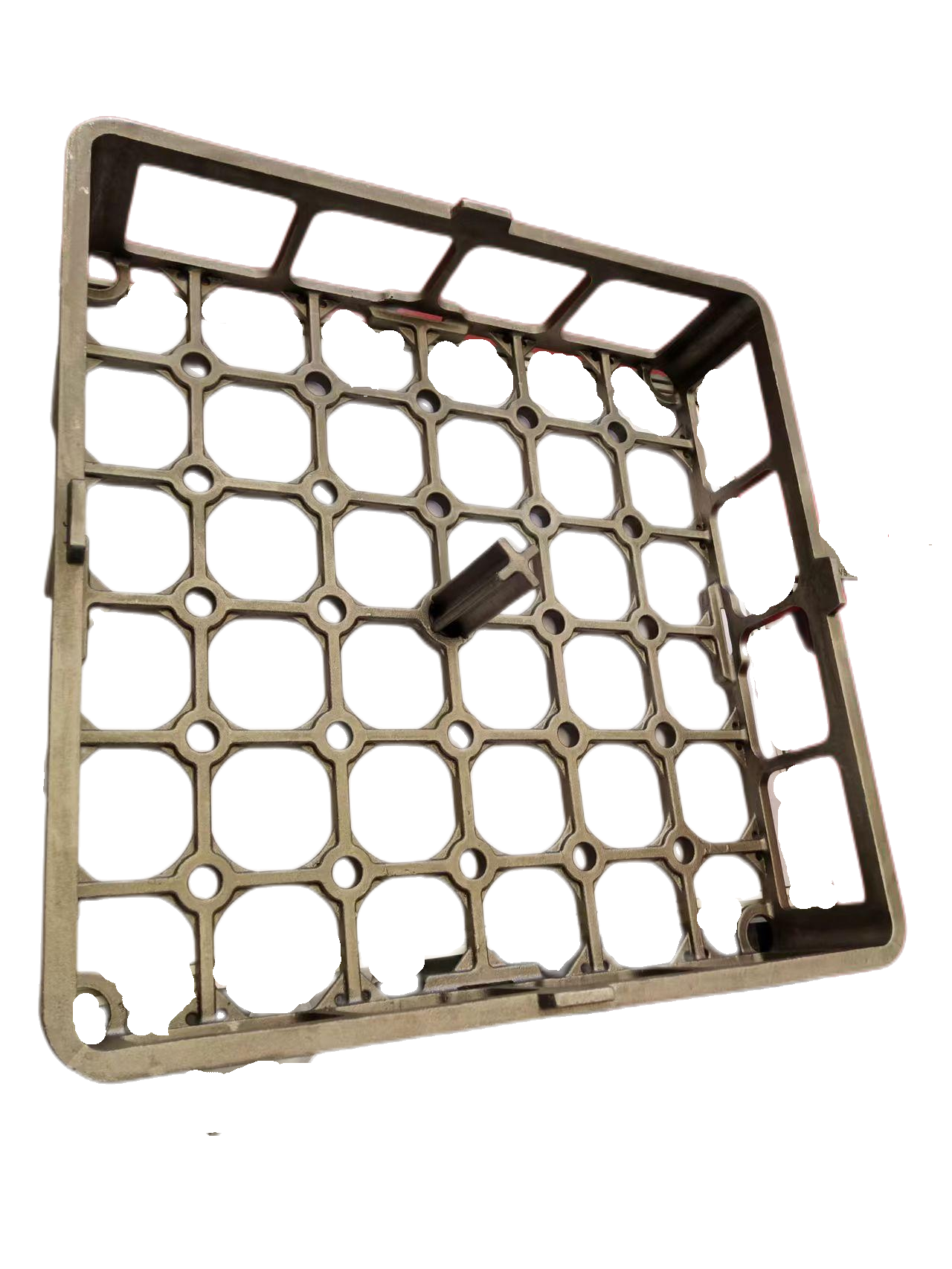
The choice between cast steel and forged steel represents one of the most critical material selection decisions in industrial manufacturing, directly impacting product performance, cost efficiency, and long-term reliability. When engineers and procurement teams evaluate these two steel processing methods, they must consider factors ranging from mechanical properties and manufacturing complexity to production volumes and application-specific requirements. Understanding the fundamental differences between cast steel and forged steel enables better decision-making for applications spanning heavy machinery, automotive components, aerospace parts, and industrial equipment manufacturing.
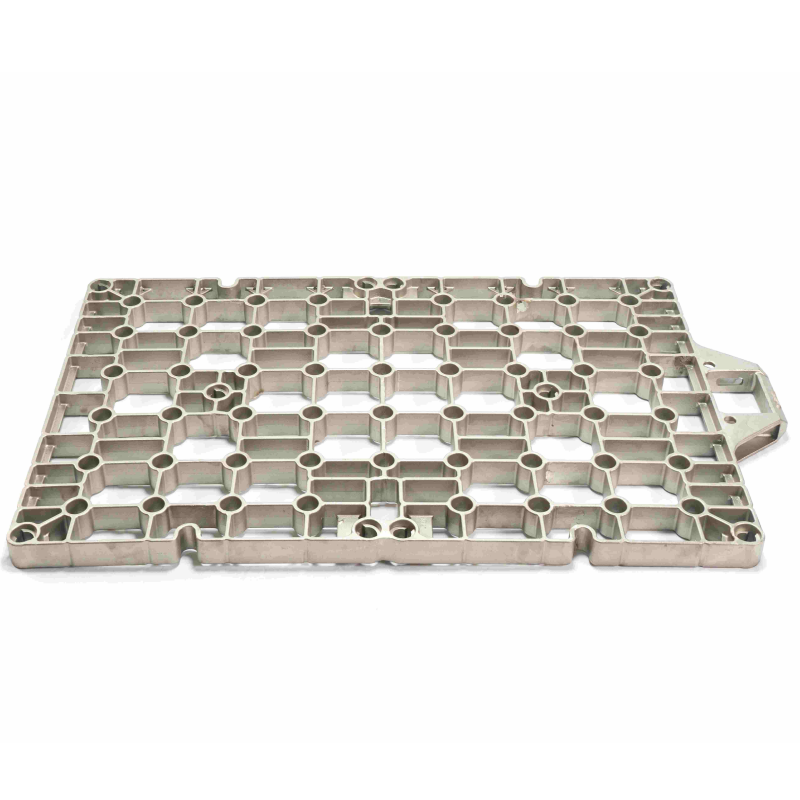
Neither cast steel nor forged steel can be universally declared superior, as the optimal choice depends entirely on specific application requirements, design constraints, and economic considerations. Cast steel excels in complex geometries, high-volume production, and applications where dimensional accuracy matters most, while forged steel delivers superior mechanical properties, grain structure refinement, and performance under extreme stress conditions. The key lies in matching the material selection to the intended use case, considering factors such as load requirements, environmental conditions, production quantities, and budget constraints throughout the component's lifecycle.
Understanding Cast Steel Manufacturing and Properties
Cast Steel Production Process
Cast steel manufacturing involves melting steel in furnaces and pouring the molten metal into molds to create the desired shape. This process allows for complex geometries and intricate designs that would be difficult or impossible to achieve through forging. The molten cast steel fills every detail of the mold, creating components with excellent dimensional accuracy and surface finish. Modern casting techniques include sand casting, investment casting, and continuous casting, each offering specific advantages for different applications.
The casting process enables manufacturers to produce large, heavy components with minimal material waste compared to machining from solid billets. Cast steel components can incorporate complex internal passages, undercuts, and varying wall thicknesses in a single manufacturing operation. This capability makes cast steel particularly valuable for pump housings, valve bodies, turbine components, and other complex industrial equipment where intricate geometries are essential for proper function.
Mechanical Properties of Cast Steel
Cast steel typically exhibits isotropic mechanical properties, meaning the material characteristics remain consistent in all directions. This uniformity results from the random grain orientation that develops during the solidification process. Cast steel generally provides good tensile strength, ranging from 400 to 800 MPa depending on the alloy composition and heat treatment. The yield strength typically falls between 200 and 600 MPa, with elongation values ranging from 15 to 30 percent.
The microstructure of cast steel consists of relatively coarse grains due to the slower cooling rates inherent in the casting process. This grain structure contributes to good machinability and welding characteristics, though it may result in slightly lower impact toughness compared to wrought materials. Cast steel demonstrates excellent fatigue resistance in many applications, particularly when proper heat treatment is applied to optimize the microstructure for specific service conditions.
Applications and Limitations of Cast Steel
Cast steel finds widespread application in industries requiring complex shapes, moderate to high strength, and cost-effective production methods. Typical applications include railroad components, mining equipment, power generation machinery, and marine hardware. The ability to cast near-net-shape components reduces machining requirements and material waste, making cast steel economically attractive for medium to high-volume production runs.
However, cast steel has inherent limitations that must be considered during material selection. The casting process can introduce porosity, inclusions, and residual stresses that may affect mechanical properties. Cast steel components typically require stress relief or normalization heat treatments to optimize performance. Additionally, the coarser grain structure of cast steel may limit its suitability for applications requiring maximum toughness or dynamic loading resistance.
Forged Steel Characteristics and Manufacturing
Forging Process Fundamentals
Forged steel production involves mechanically deforming heated steel billets or ingots using hammers, presses, or specialized forging equipment. This plastic deformation process refines the grain structure, eliminates porosity, and creates directional strength properties that enhance mechanical performance. Forging can be performed at various temperatures, from hot forging above the recrystallization temperature to cold forging at room temperature, each offering distinct advantages for specific applications.
The forging process breaks up the as-cast grain structure and creates a fibrous grain flow pattern that follows the component's contours. This grain flow alignment significantly improves the material's resistance to fatigue, impact, and stress concentration. Modern forging techniques include open-die forging, closed-die forging, ring rolling, and isothermal forging, allowing manufacturers to optimize the process for different component geometries and performance requirements.
Superior Mechanical Properties of Forged Steel
Forged steel consistently demonstrates superior mechanical properties compared to cast steel, particularly in terms of strength, toughness, and fatigue resistance. The refined grain structure and elimination of casting defects result in tensile strengths typically 10-20% higher than equivalent cast steel grades. Forged steel exhibits excellent impact toughness, often two to three times higher than cast steel, making it ideal for applications involving shock loading or dynamic stress conditions.
The directional properties of forged steel provide enhanced performance when the loading direction aligns with the grain flow. This anisotropic behavior allows engineers to optimize component orientation for maximum strength in critical loading directions. Forged steel also demonstrates excellent fatigue life, often exceeding cast steel performance by 50-100% in rotating or cyclically loaded applications. The absence of porosity and inclusions typical in cast steel contributes to more predictable and reliable mechanical behavior.
Forged Steel Applications and Design Considerations
Forged steel components dominate applications requiring maximum mechanical performance, reliability, and safety factors. Aerospace landing gear, automotive crankshafts, pressure vessel components, and high-performance tools typically utilize forged steel to achieve the necessary strength-to-weight ratios and durability requirements. The superior grain structure of forged steel makes it particularly suitable for critical rotating components where fatigue failure could have catastrophic consequences.
Design considerations for forged steel include the need for relatively simple geometries due to the deformation process limitations. Complex shapes may require multiple forging operations or subsequent machining, increasing production costs. Forged steel components often require careful attention to grain flow direction during the design phase to maximize strength in critical areas. Material utilization may be lower than cast steel due to the need for draft angles, flash allowances, and machining stock removal.
Comparative Analysis for Material Selection
Strength and Performance Comparison
When directly comparing cast steel and forged steel performance, forged steel generally provides 15-25% higher tensile and yield strengths due to its refined microstructure and absence of casting defects. The improved grain structure in forged steel results in significantly better impact toughness, often 2-4 times higher than cast steel of similar composition. This performance advantage becomes more pronounced in dynamic loading conditions where crack propagation resistance is critical.
Cast steel offers more predictable and isotropic properties, making it suitable for applications where loading directions are variable or complex. The uniform properties of cast steel simplify design calculations and reduce the need for detailed stress analysis in multiple orientations. However, the inherent porosity and coarser grain structure in cast steel limit its performance ceiling compared to properly processed forged steel components.
Cost and Manufacturing Efficiency
Cast steel typically offers significant cost advantages for complex geometries and moderate production volumes. The ability to create near-net-shape components reduces machining time and material waste, making cast steel economically attractive for many applications. Tooling costs for cast steel are generally lower than forging dies, particularly for complex shapes or limited production runs. The casting process can efficiently produce large, heavy components that would require multiple forging operations.
Forged steel production involves higher initial tooling costs and more complex manufacturing processes, particularly for large or complex components. However, forged steel offers better material utilization for simple shapes and can achieve closer tolerances in critical dimensions. The superior mechanical properties of forged steel may justify higher production costs in applications where performance, reliability, or weight savings are paramount considerations.
Design Flexibility and Manufacturing Constraints
Cast steel provides unmatched design flexibility for complex internal geometries, undercuts, and varying wall thicknesses that cannot be achieved through forging processes. This capability enables engineers to optimize component designs for specific functional requirements without manufacturing constraints. Cast steel allows for the integration of multiple functions into single components, reducing assembly complexity and potential failure points.
Forged steel design must accommodate the limitations of the deformation process, requiring consideration of material flow, draft angles, and parting line locations. Complex geometries may require multi-step forging operations or significant post-forging machining, increasing production complexity and costs. However, the superior mechanical properties of forged steel often justify these manufacturing constraints in critical applications where performance outweighs design flexibility considerations.
Industry-Specific Selection Criteria
Aerospace and Defense Applications
The aerospace industry predominantly favors forged steel for critical structural components due to stringent safety requirements and weight optimization needs. Landing gear components, engine parts, and structural fittings typically utilize forged steel to achieve the necessary strength-to-weight ratios and fatigue life requirements. The traceability and quality control standards in aerospace manufacturing align well with forged steel's predictable and superior mechanical properties.
Cast steel finds limited application in aerospace primarily in non-critical components or where complex geometries are essential. However, advanced casting techniques and rigorous quality control have expanded cast steel applications to include certain engine casings and structural brackets where the geometry advantages outweigh the mechanical property limitations. The choice between cast steel and forged steel in aerospace applications ultimately depends on the criticality of the component and the specific performance requirements.
Automotive Industry Considerations
The automotive industry utilizes both cast steel and forged steel extensively, with selection criteria based on performance requirements, production volumes, and cost considerations. Forged steel dominates in critical drivetrain components such as crankshafts, connecting rods, and transmission gears where fatigue resistance and strength are paramount. The high-volume production in automotive manufacturing justifies the tooling investment required for forged steel components.
Cast steel finds widespread use in automotive applications for engine blocks, suspension components, and brackets where complex geometries and cost effectiveness are priorities. The ability to cast intricate cooling passages, mounting points, and integration features makes cast steel attractive for many automotive applications. Recent advances in casting technology have improved the mechanical properties of cast steel, expanding its suitability for more demanding automotive applications.
Heavy Industrial and Mining Equipment
Heavy industrial and mining equipment applications often favor cast steel due to the large component sizes, complex geometries, and moderate production volumes typical in these industries. Cast steel provides an economical solution for large pump housings, mill components, and structural elements where the casting process can efficiently produce the required shapes. The good machinability of cast steel facilitates the precision machining often required for these applications.
Forged steel is selected for heavy industrial applications where maximum strength and reliability are required, particularly in components subject to high impact or cyclic loading. Mining equipment subjected to extreme operating conditions often benefits from the superior toughness and fatigue resistance of forged steel components. The choice between cast steel and forged steel in heavy industry depends on balancing performance requirements against manufacturing feasibility and cost constraints.
FAQ
Is cast steel stronger than forged steel?
No, forged steel typically exhibits 15-25% higher strength than cast steel of similar composition. The forging process refines the grain structure and eliminates porosity, resulting in superior tensile strength, yield strength, and impact toughness. However, cast steel provides more uniform, isotropic properties that may be advantageous in applications with complex loading patterns.
Why would you choose cast steel over forged steel?
Cast steel is preferred when complex geometries, intricate internal features, or near-net-shape manufacturing are priorities. It offers significant cost advantages for moderate production volumes and provides excellent dimensional accuracy. Cast steel is ideal for components requiring complex cooling passages, undercuts, or varying wall thicknesses that cannot be achieved through forging processes.
Can cast steel be heat treated like forged steel?
Yes, cast steel responds well to various heat treatment processes including annealing, normalizing, quenching, and tempering. While the coarser grain structure of cast steel limits the extent of property improvement compared to forged steel, proper heat treatment can significantly enhance strength, toughness, and dimensional stability. The heat treatment selection depends on the specific cast steel composition and intended application requirements.
Which is more cost-effective for small production runs?
Cast steel is generally more cost-effective for small production runs, particularly when complex geometries are involved. The lower tooling costs and ability to produce near-net-shape components reduce overall manufacturing expenses. Forged steel requires substantial investment in dies and tooling that may not be economically justified for small quantities, though it may be preferred if superior mechanical properties are essential for the application.