
 EN
EN

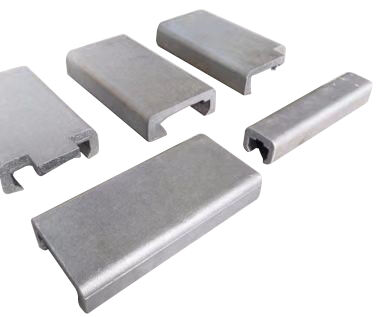
Cast steel has emerged as one of the most versatile and critical materials in modern industrial applications, combining the strength of steel with the design flexibility of casting processes. This metallurgical solution enables manufacturers to create complex geometries and high-performance components that would be difficult or impossible to achieve through traditional forging or machining methods. The unique properties of cast steel, including excellent mechanical strength, superior wear resistance, and exceptional durability, make it an indispensable material across diverse industrial sectors.
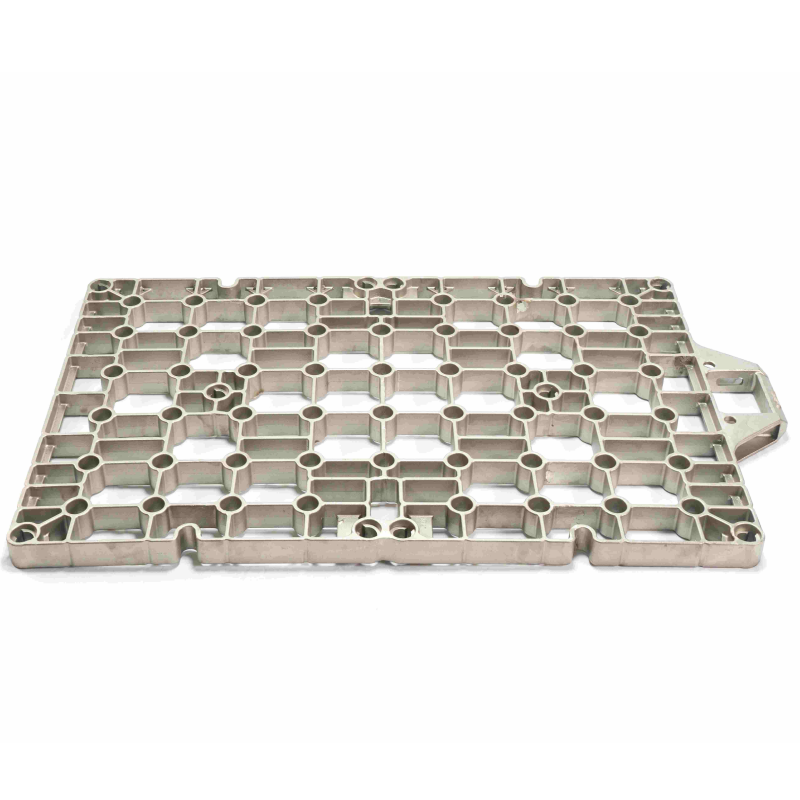
The widespread adoption of cast steel across multiple industries reflects its exceptional balance of performance characteristics and manufacturing efficiency. From heavy machinery components to precision automotive parts, cast steel applications continue to expand as industries demand materials that can withstand extreme operating conditions while maintaining dimensional accuracy and structural integrity. Understanding the top applications of cast steel provides valuable insights into its critical role in supporting modern industrial operations and technological advancement.
Heavy Machinery and Equipment Components
Mining Equipment Applications
The mining industry relies extensively on cast steel for manufacturing critical equipment components that must withstand extreme operational stresses and abrasive environments. Cast steel crusher jaws, grinding mill liners, and excavator bucket teeth represent prime examples of how this material excels in demanding mining applications. These components benefit from cast steel's exceptional wear resistance and impact toughness, which directly translate to extended service life and reduced maintenance costs in harsh mining operations.
Mining machinery manufacturers choose cast steel for dragline buckets, shovel dippers, and conveyor system components because of its superior fatigue resistance and ability to maintain structural integrity under cyclical loading conditions. The material's excellent weldability also enables field repairs and modifications, reducing downtime and operational costs. Cast steel components in mining equipment typically demonstrate service lives that are significantly longer than alternatives, making them economically advantageous despite higher initial material costs.
Construction Equipment Parts
Construction equipment manufacturers extensively utilize cast steel for producing hydraulic cylinder components, track chains, and structural framework elements. The material's high tensile strength and excellent ductility make it ideal for components that experience both static and dynamic loading conditions. Cast steel track pads for bulldozers and excavators provide superior ground engagement while maintaining dimensional stability under heavy loads and aggressive operating conditions.
The versatility of cast steel enables construction equipment designers to create complex component geometries that optimize weight distribution and stress concentration management. This design flexibility is particularly valuable in hydraulic system components, where intricate internal passages and mounting features can be integrated into single cast steel pieces, eliminating multiple joints and potential failure points that would exist in assembled alternatives.
Transportation and Automotive Industry
Railway Infrastructure Components
Railway systems worldwide depend on cast steel for critical infrastructure components that ensure safe and reliable train operations. Railway wheel sets, brake components, and coupling systems manufactured from cast steel provide the durability and precision required for high-speed rail applications. The material's excellent thermal conductivity and heat dissipation properties make it particularly suitable for brake discs and drums that must manage significant thermal cycling during operation.
Cast steel railway components demonstrate exceptional resistance to rolling contact fatigue, a critical performance requirement for wheels and rail infrastructure elements. The material's microstructural homogeneity achieved through controlled casting processes ensures consistent performance characteristics throughout the component, reducing the risk of localized failures that could compromise operational safety. Modern railway systems increasingly specify cast steel components for their superior dimensional stability and predictable service life characteristics.
Marine Propulsion Systems
The marine industry extensively employs cast steel for propulsion system components, including propeller hubs, rudder assemblies, and engine mounting brackets. These applications benefit from cast steel's excellent corrosion resistance when properly alloyed and its ability to maintain mechanical properties in marine environments. Cast steel propeller components provide superior cavitation resistance compared to alternative materials, ensuring efficient propulsion performance and reduced maintenance requirements.
Marine equipment manufacturers value cast steel for its excellent machinability and surface finishing characteristics, which are essential for propulsion components that require precise hydrodynamic profiles. The material's resistance to stress corrosion cracking in saltwater environments makes it particularly suitable for critical safety components such as anchor windlass mechanisms and steering gear assemblies that must maintain reliable operation throughout extended service periods.
Power Generation and Energy Systems
Steam Turbine Components
Power generation facilities rely on cast steel for manufacturing steam turbine casings, valve bodies, and rotor components that operate under extreme temperature and pressure conditions. The material's excellent creep resistance at elevated temperatures makes it indispensable for steam turbine applications where components must maintain dimensional stability and mechanical properties over extended operating periods. Cast steel turbine casings provide the structural integrity required to contain high-pressure steam while accommodating thermal expansion and contraction cycles.
The superior thermal shock resistance of cast steel enables power plant operators to implement rapid startup and shutdown procedures without compromising component integrity. This operational flexibility is increasingly important in modern power grids that require rapid response to changing electrical demand. Cast steel components in steam turbines typically demonstrate service lives exceeding 25 years with proper maintenance, representing significant economic value in power generation applications.
Hydroelectric System Components
Hydroelectric power installations utilize cast steel for manufacturing runner blades, wicket gates, and spiral case components that must withstand continuous water flow and hydraulic pressures. The material's excellent erosion resistance and ability to maintain smooth surface finishes under hydraulic loading make it ideal for components that directly interact with flowing water. Cast steel runner assemblies in hydroelectric turbines provide the mechanical strength required to harness water energy while maintaining precise blade geometries that optimize energy conversion efficiency.
Hydroelectric facility operators choose cast steel for penstock components and valve assemblies because of its superior pressure-containing capabilities and resistance to hydraulic fatigue. The material's excellent weldability enables field assembly of large hydroelectric components, reducing transportation costs and installation complexity. Cast steel components in hydroelectric systems require minimal maintenance while providing decades of reliable service, making them economically attractive for long-term power generation investments.
Oil and Gas Industry Applications
Drilling Equipment Components
The oil and gas industry extensively utilizes cast steel for manufacturing drilling equipment components that must operate reliably in harsh downhole environments. Cast steel drill collars, blowout preventer components, and wellhead assemblies provide the mechanical strength and corrosion resistance required for safe drilling operations. These components benefit from cast steel's excellent impact toughness and ability to maintain mechanical properties under extreme pressure and temperature conditions encountered in deep drilling applications.
Drilling equipment manufacturers choose cast steel for rotary table components and mud pump assemblies because of its superior wear resistance and ability to withstand abrasive drilling fluid environments. The material's excellent machinability enables precise manufacturing of complex internal passages and sealing surfaces that are critical for maintaining hydraulic system integrity. Cast steel drilling components typically demonstrate extended service lives that reduce equipment replacement costs and operational downtime.
Refinery Process Equipment
Petroleum refining facilities depend on cast steel for manufacturing process equipment components that must withstand corrosive hydrocarbon environments and elevated operating temperatures. Cast steel reactor vessels, heat exchanger components, and piping system elements provide the chemical resistance and thermal stability required for refinery applications. The material's excellent pressure-containing capabilities make it suitable for high-pressure process systems that operate at temperatures where many alternative materials would fail.
Refinery operators value cast steel for its predictable aging characteristics and resistance to hydrogen embrittlement, which are critical performance requirements for long-term process equipment reliability. The material's superior weldability enables field repairs and modifications without compromising structural integrity, reducing maintenance costs and extending equipment service life. Cast steel components in refinery applications typically provide decades of reliable service with proper materials selection and maintenance procedures.
Aerospace and Defense Systems
Aircraft Landing Gear Components
The aerospace industry utilizes specialized cast steel alloys for manufacturing aircraft landing gear components that must meet stringent safety and performance requirements. Cast steel shock strut components, wheel assemblies, and brake system elements provide the exceptional strength-to-weight ratios required for aircraft applications. These components benefit from cast steel's excellent fatigue resistance and ability to withstand repeated landing impact loads throughout extended service life cycles.
Aircraft manufacturers choose cast steel for landing gear applications because of its superior fracture toughness and predictable failure characteristics, which are essential for maintaining flight safety margins. The material's excellent surface finishing capabilities enable precise manufacturing of aerodynamic components that minimize drag and optimize aircraft performance. Cast steel landing gear components undergo rigorous testing and certification processes that validate their performance under extreme operating conditions.
Defense Equipment Applications
Defense applications employ cast steel for manufacturing armored vehicle components, weapons systems, and naval equipment that must provide reliable performance under combat conditions. Cast steel armor components and structural elements offer superior ballistic protection while maintaining manageable weight characteristics for mobile military platforms. The material's excellent impact absorption capabilities make it valuable for applications where blast resistance and fragment protection are critical performance requirements.
Military equipment manufacturers utilize cast steel for artillery components and missile system elements because of its ability to withstand extreme mechanical and thermal stresses. The material's consistent quality and predictable performance characteristics are essential for defense applications where equipment failure could have catastrophic consequences. Cast steel components in military systems typically undergo extensive testing and quality assurance procedures that ensure reliable performance in demanding operational environments.
FAQ
What makes cast steel superior to other casting materials for industrial applications?
Cast steel offers a unique combination of high tensile strength, excellent ductility, and superior impact toughness that surpasses most other casting materials. Unlike cast iron, cast steel provides better weldability and fatigue resistance, while offering greater design flexibility than forged steel alternatives. The material's ability to achieve complex geometries through casting processes, combined with mechanical properties approaching those of wrought steel, makes it ideal for demanding industrial applications where both performance and manufacturing efficiency are critical.
How does the cost-effectiveness of cast steel components compare to alternatives in industrial applications?
While cast steel components may have higher initial material costs compared to some alternatives, they typically provide superior long-term value through extended service life, reduced maintenance requirements, and improved operational reliability. The material's excellent wear resistance and fatigue properties often result in total lifecycle costs that are significantly lower than alternatives, particularly in demanding applications where component failure could result in costly downtime or safety hazards.
What quality control measures ensure consistent performance in cast steel industrial components?
Modern cast steel production employs advanced quality control measures including chemical composition analysis, non-destructive testing methods, and mechanical property verification to ensure consistent component performance. These quality assurance procedures include ultrasonic testing for internal defects, magnetic particle inspection for surface discontinuities, and standardized heat treatment processes that optimize microstructural properties. Additionally, dimensional inspection and surface finish verification ensure that cast steel components meet precise manufacturing specifications required for critical industrial applications.
Which industries benefit most from implementing cast steel components in their operations?
Industries that benefit most from cast steel implementation include mining, power generation, oil and gas, transportation, and heavy manufacturing sectors where components must withstand extreme operating conditions while maintaining reliable performance. These industries typically experience significant operational advantages through improved equipment reliability, extended service life, and reduced maintenance costs when utilizing properly selected cast steel components. The material's versatility makes it particularly valuable in applications where custom component geometries and superior mechanical properties are essential for operational success.
Table of Contents
- Heavy Machinery and Equipment Components
- Transportation and Automotive Industry
- Power Generation and Energy Systems
- Oil and Gas Industry Applications
- Aerospace and Defense Systems
-
FAQ
- What makes cast steel superior to other casting materials for industrial applications?
- How does the cost-effectiveness of cast steel components compare to alternatives in industrial applications?
- What quality control measures ensure consistent performance in cast steel industrial components?
- Which industries benefit most from implementing cast steel components in their operations?