
 EN
EN

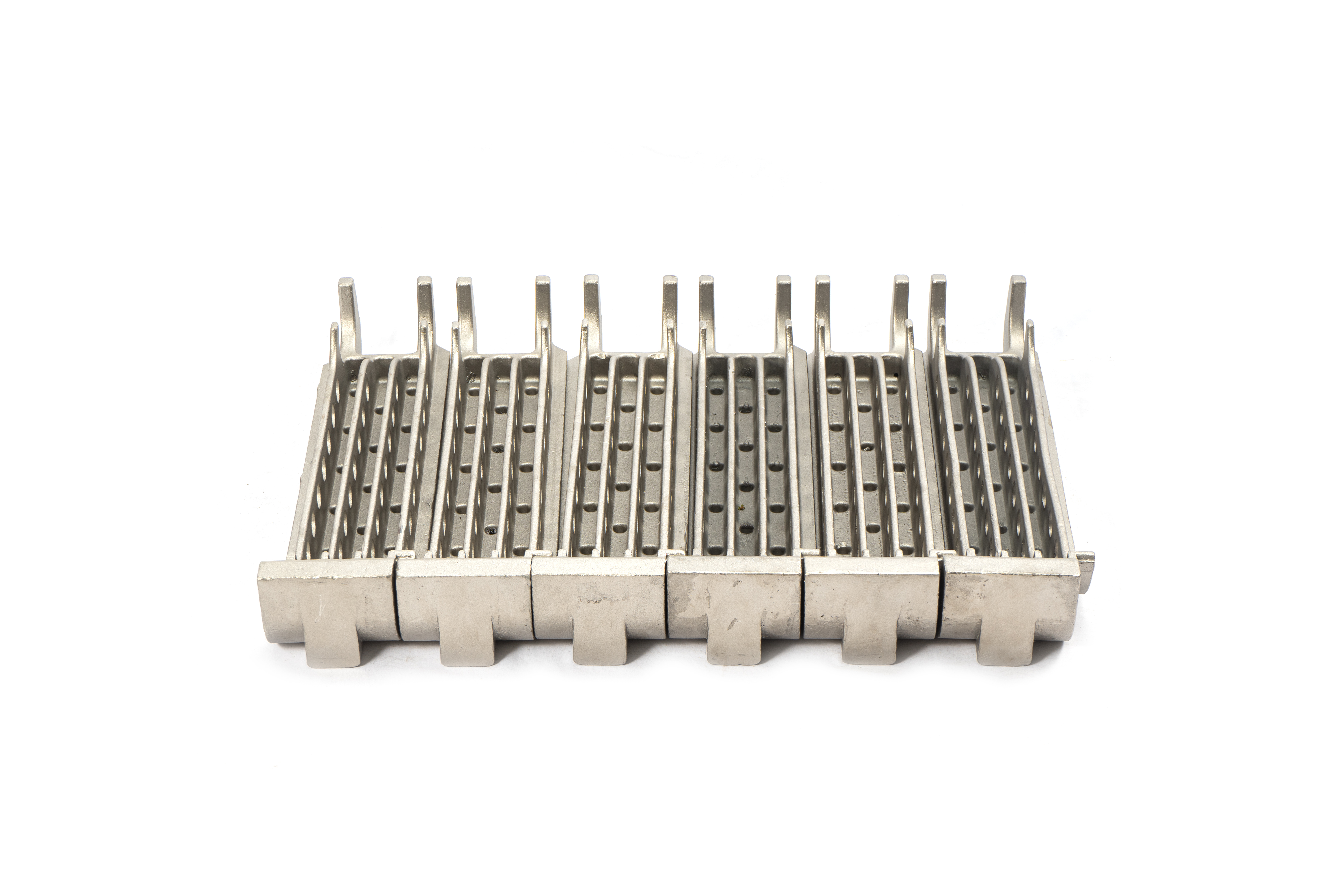
When selecting a grate sheet for industrial applications, the choice between stainless steel and carbon steel represents one of the most critical decisions engineers and facility managers face. This comparison affects not only initial costs but also long-term performance, maintenance requirements, and operational efficiency across diverse industrial environments.
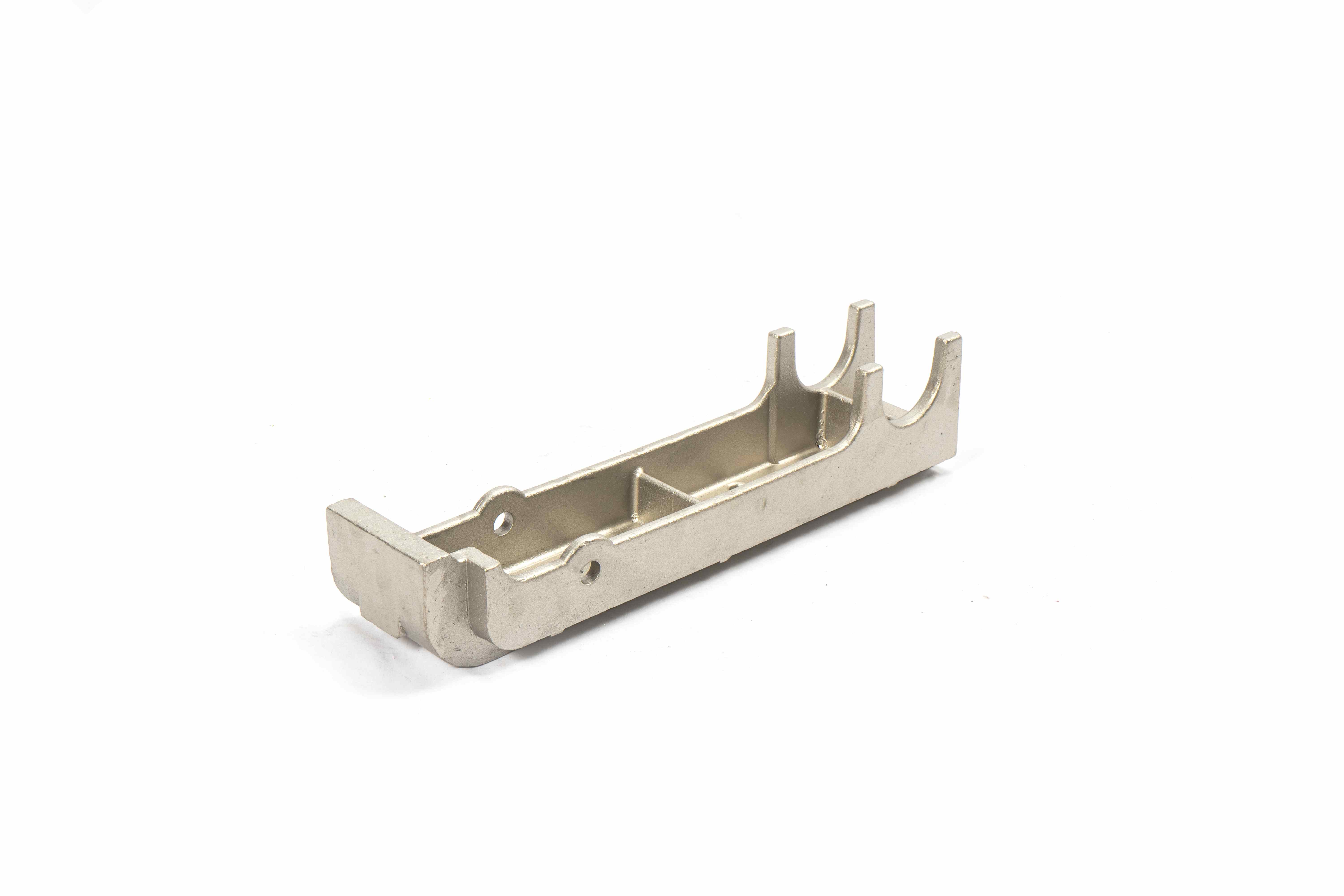
Both stainless steel and carbon steel grate sheets offer distinct advantages depending on the specific requirements of your application. Understanding the fundamental differences in composition, performance characteristics, and cost implications enables informed decision-making that aligns with both immediate needs and long-term operational goals in industrial settings.
Material Composition and Basic Properties
Stainless Steel Grate Sheet Characteristics
Stainless steel grate sheet contains chromium as its primary alloying element, typically comprising 10.5% or more of the total composition. This chromium content creates a passive oxide layer on the surface, providing the material's signature corrosion resistance. Common grades include 304 and 316 stainless steel, with 316 offering enhanced resistance to chloride environments through molybdenum additions.
The microstructure of stainless steel grate sheet exhibits austenitic properties in most commercial grades, resulting in excellent ductility and formability. This composition allows for precise manufacturing of complex grating patterns while maintaining structural integrity under various loading conditions. The material's inherent strength-to-weight ratio makes it particularly suitable for applications requiring both durability and weight optimization.
Temperature stability represents another key advantage of stainless steel grate sheet construction. The material maintains its mechanical properties across a wide temperature range, from cryogenic applications to high-temperature industrial processes. This thermal stability, combined with low thermal expansion coefficients, ensures dimensional accuracy in varying operating conditions.
Carbon Steel Grate Sheet Properties
Carbon steel grate sheet primarily consists of iron and carbon, with carbon content typically ranging from 0.15% to 0.30% for most industrial applications. This composition provides excellent strength characteristics and superior machinability compared to stainless alternatives. The material's ferromagnetic properties also offer advantages in specific industrial processes requiring magnetic separation or electromagnetic compatibility.
The crystalline structure of carbon steel grate sheet allows for various heat treatment options, enabling customization of mechanical properties to meet specific application requirements. Through controlled heating and cooling processes, manufacturers can optimize hardness, tensile strength, and impact resistance according to operational demands.
Cost-effectiveness represents a primary advantage of carbon steel grate sheet selection. The abundant availability of raw materials and established manufacturing processes contribute to lower initial costs compared to stainless steel alternatives. This economic advantage makes carbon steel grate sheet particularly attractive for large-scale installations where budget constraints are significant considerations.
Corrosion Resistance and Environmental Performance
Stainless Steel Environmental Durability
The corrosion resistance of stainless steel grate sheet stems from its self-healing oxide layer, which automatically reforms when damaged. This passive protection mechanism provides excellent resistance to atmospheric corrosion, chemical exposure, and galvanic corrosion when in contact with dissimilar metals. Marine environments, chemical processing facilities, and food production areas particularly benefit from this inherent protection.
Pitting and crevice corrosion resistance varies among stainless steel grades, with 316 grade grate sheet offering superior performance in chloride-rich environments. The molybdenum content in 316 stainless steel enhances resistance to localized corrosion, making it suitable for coastal installations and chemical processing applications.
Long-term performance data indicates that properly selected stainless steel grate sheet can maintain structural integrity for decades with minimal maintenance intervention. This longevity factor becomes particularly important in applications where replacement costs include significant downtime expenses or safety considerations.
Carbon Steel Corrosion Challenges
Carbon steel grate sheet exhibits susceptibility to oxidation when exposed to moisture and oxygen, forming iron oxide commonly known as rust. This corrosion process can compromise structural integrity over time without proper protective measures. The rate of corrosion depends on environmental factors including humidity, temperature, chemical exposure, and atmospheric pollutants.
Protective coatings play a crucial role in extending carbon steel grate sheet service life. Hot-dip galvanizing provides zinc protection through both barrier and sacrificial mechanisms, while organic coatings offer chemical resistance and aesthetic benefits. Regular inspection and maintenance of these protective systems are essential for optimal performance.
Environmental monitoring becomes particularly important for carbon steel grate sheet installations in aggressive atmospheres. Facilities near coastal areas, chemical processing plants, or high-humidity environments require enhanced protection strategies and more frequent maintenance schedules to prevent premature failure.
Strength and Load-Bearing Capabilities
Mechanical Performance Comparison
Load-bearing capacity varies significantly between stainless and carbon steel grate sheet options, with carbon steel generally offering higher tensile strength per unit cost. Standard carbon steel grades typically exhibit yield strengths ranging from 250 to 400 MPa, while stainless steel grades vary from 200 to 300 MPa for austenitic types, though precipitation-hardened grades can achieve much higher values.
Fatigue resistance represents a critical consideration for grate sheet applications subject to cyclic loading. Stainless steel grate sheet demonstrates superior fatigue performance in corrosive environments due to the absence of stress concentration points created by surface corrosion. Carbon steel grate sheet may experience reduced fatigue life if protective coatings fail and corrosion initiates.
Impact resistance characteristics differ between the two materials, with stainless steel maintaining ductility at lower temperatures compared to carbon steel. This property becomes significant in applications involving thermal cycling or low-temperature operation where brittle fracture risk must be minimized.
Design Considerations for Structural Applications
Deflection limits often govern grate sheet selection in structural applications, where excessive deflection can affect operational safety or equipment alignment. The modulus of elasticity for both materials remains relatively similar, making span-to-thickness ratios the primary factor in deflection calculations rather than material selection.
Safety factors must account for potential strength reduction over time, particularly for carbon steel grate sheet installations in corrosive environments. Conservative design approaches may require increased section thickness or reduced allowable loads to compensate for anticipated corrosion effects during the structure's service life.
Connection details and fastener compatibility influence overall system performance regardless of grate sheet material selection. Galvanic compatibility considerations become particularly important when mixing stainless and carbon steel components, requiring careful attention to isolation techniques and material specifications.
Cost Analysis and Economic Considerations
Initial Investment Comparison
Initial material costs show significant differences between stainless and carbon steel grate sheet options, with stainless steel typically costing 2-4 times more than equivalent carbon steel products. This cost differential reflects raw material prices, manufacturing complexity, and market demand factors that fluctuate with global commodity markets.
Fabrication and installation costs may also vary between materials, with stainless steel requiring specialized cutting tools and welding procedures. However, the superior corrosion resistance of stainless steel grate sheet often eliminates the need for protective coating applications, which can offset some of the material cost premium.
Project scale significantly influences the economic impact of material selection, with large installations amplifying cost differences between stainless and carbon steel options. Budget constraints often drive initial material selection, though life-cycle cost analysis may reveal different optimal choices.
Long-term Economic Implications
Maintenance costs represent a significant factor in total ownership economics, with carbon steel grate sheet requiring periodic coating renewal, corrosion monitoring, and potential section replacement. These ongoing expenses can accumulate substantially over a 20-30 year service life, particularly in aggressive environments.
Replacement frequency affects both direct costs and operational disruption expenses. Stainless steel grate sheet installations typically require replacement less frequently than carbon steel alternatives, reducing both material costs and production downtime associated with maintenance activities.
Salvage value considerations favor stainless steel grate sheet due to its recyclability and retained material value at end-of-life. Carbon steel with failed coatings may have reduced scrap value and require additional processing for recycling, affecting overall project economics when viewed across complete life cycles.
Application-Specific Selection Guidelines
Industrial Environment Suitability
Chemical processing facilities typically favor stainless steel grate sheet due to exposure to corrosive substances and cleaning chemicals. The material's resistance to chemical attack and ease of decontamination make it essential for applications involving acids, bases, and organic solvents that would rapidly degrade carbon steel alternatives.
Food and pharmaceutical industries require grate sheet materials that meet stringent hygiene standards and resist contamination. Stainless steel grades 304 and 316 provide FDA-approved surfaces that resist bacterial growth and facilitate thorough cleaning protocols required in these regulated environments.
Marine and offshore applications present some of the most challenging corrosion environments for grate sheet installations. Salt spray, high humidity, and chloride exposure make stainless steel grate sheet the preferred choice despite higher initial costs, as carbon steel alternatives typically fail prematurely even with premium protective coatings.
Performance Requirements Assessment
Load-bearing requirements must be carefully evaluated against material capabilities and safety factors. High-traffic areas or heavy equipment installations may benefit from carbon steel grate sheet's superior strength characteristics, provided adequate corrosion protection can be maintained throughout the service life.
Temperature considerations affect material selection, with stainless steel grate sheet offering better performance at both temperature extremes. Applications involving thermal cycling, cryogenic conditions, or elevated temperatures often justify the premium cost of stainless steel through improved reliability and reduced maintenance requirements.
Aesthetic requirements increasingly influence grate sheet selection in architectural applications where appearance matters. Stainless steel's natural luster and resistance to staining provide long-term visual appeal without requiring regular cleaning or refinishing that carbon steel installations often demand.
FAQ
What is the typical lifespan difference between stainless and carbon steel grate sheet?
Stainless steel grate sheet typically lasts 20-30 years or more in most environments without major maintenance, while carbon steel grate sheet may require replacement every 10-15 years depending on environmental conditions and coating maintenance. In highly corrosive environments, this difference becomes even more pronounced, with stainless steel potentially lasting twice as long as carbon steel alternatives.
Can carbon steel grate sheet be upgraded to match stainless steel performance?
While premium coatings and treatments can significantly improve carbon steel grate sheet performance, they cannot fully match the inherent corrosion resistance of stainless steel. Advanced coating systems may extend service life to approach stainless steel performance in mild environments, but require ongoing maintenance and eventual renewal to maintain effectiveness.
How do welding and fabrication requirements differ between these materials?
Stainless steel grate sheet requires specialized welding procedures, consumables, and post-weld treatments to maintain corrosion resistance. Carbon steel welding is generally simpler and less expensive, but welded joints become vulnerable points requiring additional protective coating attention. Both materials can be successfully fabricated, but stainless steel demands more specialized expertise and equipment.
Which material offers better value in high-maintenance environments?
Stainless steel grate sheet typically provides superior value in environments requiring frequent cleaning, chemical exposure, or difficult access for maintenance. The elimination of coating maintenance, reduced replacement frequency, and lower cleaning costs often justify the higher initial investment. Carbon steel may offer better value only in mild environments where access for maintenance is convenient and coating systems can be properly maintained.
Table of Contents
- Material Composition and Basic Properties
- Corrosion Resistance and Environmental Performance
- Strength and Load-Bearing Capabilities
- Cost Analysis and Economic Considerations
- Application-Specific Selection Guidelines
-
FAQ
- What is the typical lifespan difference between stainless and carbon steel grate sheet?
- Can carbon steel grate sheet be upgraded to match stainless steel performance?
- How do welding and fabrication requirements differ between these materials?
- Which material offers better value in high-maintenance environments?