
 EN
EN

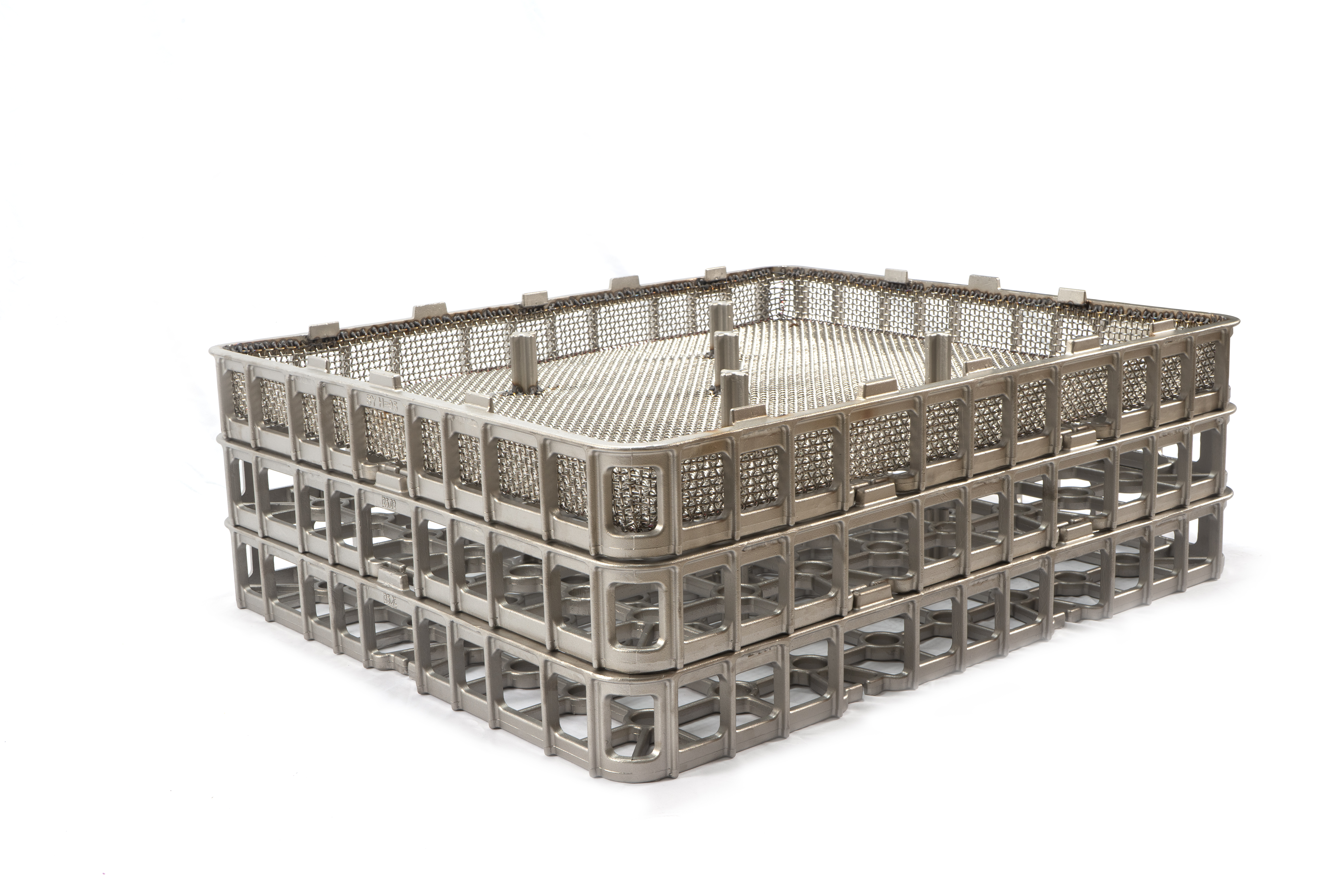
Industrial applications operating at extreme temperatures demand materials that can withstand thermal stress without compromising structural integrity. Heat resistant steel has emerged as the cornerstone solution for industries ranging from aerospace to petrochemical processing, where conventional materials fail under intense thermal conditions. These specialized alloys are engineered to maintain their mechanical properties, resist oxidation, and prevent thermal fatigue even when exposed to temperatures exceeding 1000°F for extended periods.
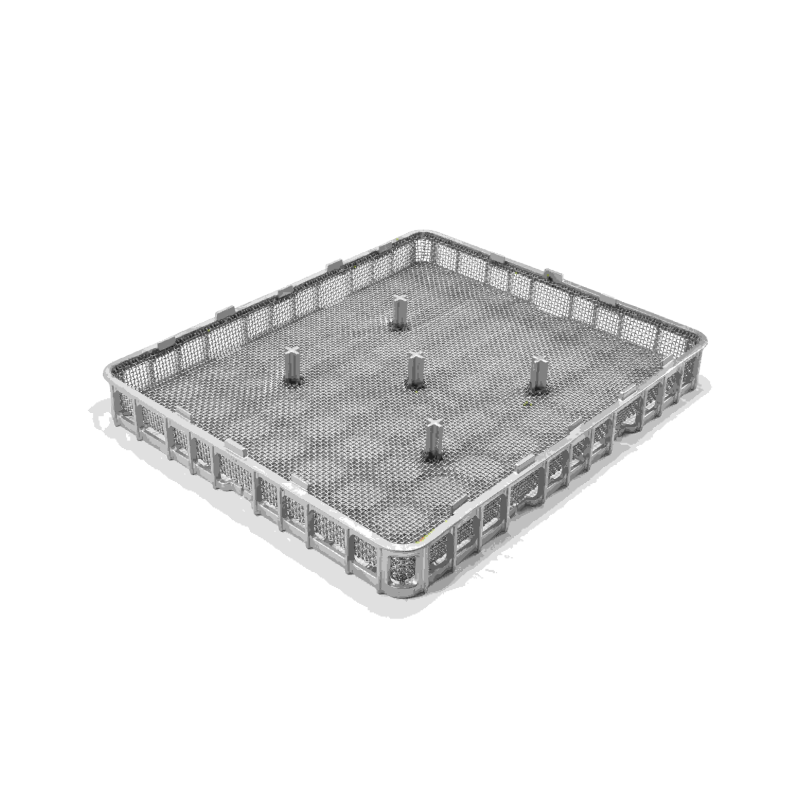
The selection of appropriate heat resistant steel grades directly impacts operational efficiency, maintenance costs, and equipment longevity. Understanding the metallurgical properties, application requirements, and performance characteristics becomes crucial for engineers and procurement specialists tasked with specifying materials for high-temperature environments. Modern industrial processes continue to push temperature boundaries, making the choice of heat resistant steel more critical than ever before.
Understanding Heat Resistant Steel Fundamentals
Metallurgical Composition and Alloying Elements
Heat resistant steel derives its exceptional thermal properties from carefully balanced alloying elements that enhance its ability to resist thermal degradation. Chromium serves as the primary alloying element, typically comprising 12-30% of the composition, forming a protective oxide layer that prevents further oxidation at elevated temperatures. Nickel additions ranging from 8-35% improve thermal stability and enhance the steel's ability to maintain austenitic structure under thermal stress.
Silicon and aluminum act as deoxidizers and contribute to oxidation resistance, while molybdenum and tungsten provide solid solution strengthening at high temperatures. These elements work synergistically to create a matrix that resists creep deformation, thermal shock, and cyclic temperature variations. The precise balance of these alloying elements determines the steel's maximum operating temperature and specific application suitability.
Thermal Properties and Performance Characteristics
The thermal conductivity of heat resistant steel varies significantly based on composition, typically ranging from 15-25 W/m·K at room temperature. This relatively low thermal conductivity compared to carbon steels helps minimize thermal gradients and reduces thermal stress in structural applications. The coefficient of thermal expansion generally falls between 10-18 × 10⁻⁶/°C, requiring careful consideration in design calculations to accommodate thermal growth.
Creep resistance represents another critical characteristic, as heat resistant steel must maintain dimensional stability under sustained loading at elevated temperatures. The creep rupture strength decreases exponentially with temperature increase, making proper grade selection essential for long-term reliability. Understanding these thermal properties enables engineers to predict material behavior and design appropriate safety factors for specific operating conditions.
Classification and Grade Selection Criteria
Austenitic Stainless Steel Grades
Austenitic heat resistant steels, including grades like 304H, 316H, and 321, offer excellent high-temperature strength and oxidation resistance up to 1500°F. These grades maintain their austenitic structure throughout their operating temperature range, providing superior ductility and formability compared to other stainless steel families. The 'H' designation indicates higher carbon content, typically 0.04-0.10%, which enhances creep strength at elevated temperatures.
Grade 310SS represents the premium austenitic option for extreme temperature applications, containing 25% chromium and 20% nickel for superior oxidation resistance up to 2100°F. The high alloy content makes this grade ideal for furnace components, heat exchangers, and thermal processing equipment. However, the increased alloy content also results in higher material costs, requiring careful economic evaluation against performance requirements.
Ferritic and Martensitic Options
Ferritic heat resistant steels like 409 and 446 provide cost-effective solutions for moderate temperature applications up to 1500°F. These grades offer good thermal conductivity and low thermal expansion coefficients, making them suitable for automotive exhaust systems and residential heating equipment. The absence of nickel in ferritic grades significantly reduces material costs while maintaining adequate performance for many industrial applications.
Martensitic grades such as 410 and 420 combine hardenability with moderate heat resistance, making them suitable for applications requiring both strength and temperature resistance up to 1200°F. These grades can be heat treated to achieve specific hardness levels, providing versatility in component design. However, their limited temperature capability restricts their use in high-temperature industrial processes where austenitic grades excel.
Industrial Applications and Performance Requirements
Petrochemical and Refining Industry Applications
The petrochemical industry relies heavily on heat resistant steel for critical process equipment including reformer tubes, cracking furnaces, and heat exchanger components. These applications typically operate at temperatures ranging from 1000-1800°F while handling corrosive hydrocarbon streams that accelerate material degradation. Grade selection must consider both thermal requirements and chemical compatibility to prevent premature failure.
Reformer tube applications represent one of the most demanding uses for heat resistant steel, requiring materials that can withstand thermal cycling, hydrogen attack, and carburization. Grades like HP-Modified (25Cr-35Ni-Nb) have been specifically developed for these applications, incorporating niobium additions to prevent carbide precipitation and maintain long-term creep strength. The investment in premium heat resistant steel grades pays dividends through extended service life and reduced maintenance downtime.
Power Generation and Energy Sector Requirements
Power generation facilities utilize heat resistant steel in boiler tubes, superheater components, and turbine casings where steam temperatures can exceed 1100°F and pressures reach 3500 psi. The combination of high temperature, pressure, and oxidizing steam environment creates one of the most challenging service conditions for metallic materials. Creep strength becomes the limiting factor in material selection, as components must maintain structural integrity over 25-30 year service lives.
Advanced ultra-supercritical power plants push operating parameters even higher, requiring specialized heat resistant steel grades with enhanced creep properties. These applications often specify grades like Super 304H or 347HFG, which incorporate fine-grain structures and controlled chemistry to optimize high-temperature strength. The stringent quality requirements for power generation applications necessitate comprehensive material testing and certification to ensure reliable long-term performance.
Selection Methodology and Design Considerations
Temperature and Environment Assessment
Proper selection of heat resistant steel begins with accurate assessment of operating conditions including maximum temperature, temperature cycling frequency, and environmental factors. Continuous operation at maximum design temperature requires different material properties than intermittent exposure to peak temperatures. The presence of oxidizing or reducing atmospheres significantly influences grade selection, as some alloys perform better in specific chemical environments.
Thermal shock resistance becomes critical in applications with rapid temperature changes, requiring materials with low thermal expansion and high thermal conductivity. Heat resistant steel grades with balanced thermal properties minimize internal stresses during thermal transients, reducing the risk of cracking and premature failure. Environmental factors such as sulfur content, oxygen levels, and presence of corrosive species must be evaluated to select appropriate grades with adequate resistance to specific degradation mechanisms.
Mechanical Property Requirements and Safety Factors
The mechanical properties of heat resistant steel must align with structural requirements while accounting for property degradation at elevated temperatures. Tensile strength typically decreases by 50-70% as temperature increases from room temperature to maximum operating conditions. Yield strength reduction follows similar trends, requiring careful stress analysis to ensure adequate safety margins throughout the operating temperature range.
Creep rupture data provides the foundation for long-term design calculations, as traditional yield strength criteria become inadequate for high-temperature applications. ASME Boiler and Pressure Vessel Code provides allowable stress values based on extensive creep testing, but designers must interpolate data for specific operating conditions. The time-dependent nature of creep deformation requires consideration of both primary and secondary creep stages in structural analysis, ensuring components maintain dimensional stability throughout their intended service life.
Economic Factors and Cost Optimization
Initial Material Costs and Budget Considerations
Heat resistant steel pricing varies significantly based on alloy content, with premium grades costing 3-5 times more than standard carbon steels. Austenitic grades with high nickel content are particularly sensitive to commodity price fluctuations, requiring careful timing of procurement to minimize cost impact. The initial material cost represents only a portion of total project economics, as fabrication complexity and specialized welding requirements add additional expenses.
Volume requirements and availability also influence material selection, as some specialized heat resistant steel grades have limited production capacity and longer lead times. Standard grades like 304H and 316H offer better availability and competitive pricing due to higher production volumes. Strategic material selection balances performance requirements with economic constraints, often favoring proven grades with established supply chains over exotic alternatives with marginal performance advantages.
Life Cycle Cost Analysis and Value Engineering
Total cost of ownership extends far beyond initial material procurement, encompassing fabrication, installation, maintenance, and replacement costs over the equipment's operational life. Premium heat resistant steel grades with superior performance characteristics often justify higher initial costs through extended service life and reduced maintenance requirements. Unplanned shutdowns for equipment repair can cost thousands of dollars per hour, making reliability a critical economic factor.
Value engineering approaches evaluate multiple heat resistant steel options against specific performance criteria and economic metrics. Life cycle cost models incorporate factors such as material degradation rates, maintenance frequency, and replacement scheduling to determine optimal grade selection. These analyses often reveal that premium grades provide better long-term value despite higher initial costs, particularly in critical applications where equipment failure results in significant production losses.
Quality Assurance and Testing Requirements
Material Certification and Documentation
Heat resistant steel procurement requires comprehensive material certification including chemical composition analysis, mechanical property testing, and metallurgical examination. Mill test certificates must document compliance with specified grade requirements and applicable standards such as ASTM, ASME, or international equivalents. Third-party testing and inspection may be required for critical applications, adding additional quality assurance layers to ensure material integrity.
Traceability documentation becomes essential for high-temperature applications where material performance directly impacts safety and reliability. Heat numbers, lot identification, and processing history must be maintained throughout the supply chain to enable effective quality control and failure analysis if issues arise. Advanced tracking systems using digital certificates and blockchain technology are emerging to enhance traceability and reduce documentation errors in heat resistant steel procurement.
Performance Validation and Field Testing
Laboratory testing provides baseline material properties, but field validation confirms performance under actual operating conditions. Pilot installations and demonstration projects allow evaluation of heat resistant steel performance before full-scale implementation. These programs provide valuable data on material behavior, maintenance requirements, and long-term reliability that inform future material selections.
Non-destructive testing techniques including ultrasonic examination, radiographic inspection, and eddy current testing monitor heat resistant steel condition during service. Regular inspection schedules detect early signs of degradation such as oxidation, carburization, or creep damage before they progress to failure. Condition monitoring data helps optimize maintenance schedules and provides feedback for material selection in future projects.
Future Trends and Advanced Alloy Development
Next-Generation Heat Resistant Steel Technologies
Ongoing research in heat resistant steel development focuses on improving high-temperature strength while reducing alloy costs through optimized chemistry and processing techniques. Advanced manufacturing methods including powder metallurgy and additive manufacturing enable production of complex geometries with superior material properties. These technologies open new possibilities for heat resistant steel applications in aerospace, energy, and industrial processing sectors.
Nanotechnology applications in heat resistant steel development show promise for enhancing oxidation resistance and thermal stability through controlled precipitation of nano-scale particles. These developments could enable operation at higher temperatures or extend service life at current operating conditions. Research institutions and steel manufacturers collaborate on fundamental alloy development programs that may revolutionize heat resistant steel capabilities within the next decade.
Sustainability and Environmental Considerations
Environmental regulations and sustainability initiatives increasingly influence heat resistant steel selection, favoring grades with lower environmental impact and improved recyclability. Reduced nickel content formulations and alternative alloying strategies help minimize dependence on critical raw materials while maintaining performance characteristics. Life cycle assessment methodologies evaluate environmental impact from raw material extraction through end-of-life recycling.
Energy efficiency improvements enabled by advanced heat resistant steel grades contribute to reduced carbon emissions in industrial processes. Higher operating temperatures and improved heat transfer characteristics allow process optimization that reduces energy consumption and environmental impact. These sustainability benefits add value beyond traditional performance metrics, supporting corporate environmental goals and regulatory compliance requirements.
FAQ
What temperature range can heat resistant steel withstand in industrial applications
Heat resistant steel can operate effectively across a wide temperature range depending on the specific grade selected. Standard austenitic grades like 304H and 316H perform reliably up to 1500°F, while premium grades such as 310SS can withstand temperatures up to 2100°F. Specialized alloys for extreme applications can handle temperatures exceeding 2200°F, though these represent niche applications with specific chemistry requirements. The exact temperature capability depends on factors including stress levels, environment, and required service life.
How does heat resistant steel differ from regular stainless steel in high-temperature performance
Heat resistant steel contains higher levels of chromium, nickel, and other alloying elements specifically designed to maintain strength and resist oxidation at elevated temperatures. Regular stainless steel typically begins losing strength significantly above 1000°F and may experience accelerated oxidation, while heat resistant grades maintain structural integrity and corrosion resistance at much higher temperatures. The 'H' designation in grades like 304H indicates higher carbon content that enhances creep strength for sustained high-temperature operation.
What are the key factors to consider when selecting heat resistant steel for furnace applications
Furnace applications require careful evaluation of maximum operating temperature, atmosphere composition, thermal cycling frequency, and mechanical loading conditions. Oxidizing atmospheres favor high-chromium grades, while reducing environments may require specialized chemistry to prevent carburization. Thermal shock resistance becomes critical for applications with rapid temperature changes, requiring grades with balanced thermal expansion properties. Component geometry and fabrication requirements also influence grade selection, as some heat resistant steels have limited formability or weldability.
How long can heat resistant steel components typically last in high-temperature service
Service life for heat resistant steel components varies dramatically based on operating conditions, grade selection, and application requirements. Well-designed components using appropriate grades can achieve 20-30 year service lives in power generation applications, while more severe conditions like reformer tubes may require replacement every 5-10 years. Regular inspection and condition monitoring help optimize replacement schedules and identify opportunities for grade upgrades that extend service life. Proper material selection and design practices significantly impact long-term reliability and total cost of ownership.
Table of Contents
- Understanding Heat Resistant Steel Fundamentals
- Classification and Grade Selection Criteria
- Industrial Applications and Performance Requirements
- Selection Methodology and Design Considerations
- Economic Factors and Cost Optimization
- Quality Assurance and Testing Requirements
- Future Trends and Advanced Alloy Development
-
FAQ
- What temperature range can heat resistant steel withstand in industrial applications
- How does heat resistant steel differ from regular stainless steel in high-temperature performance
- What are the key factors to consider when selecting heat resistant steel for furnace applications
- How long can heat resistant steel components typically last in high-temperature service