
 EN
EN

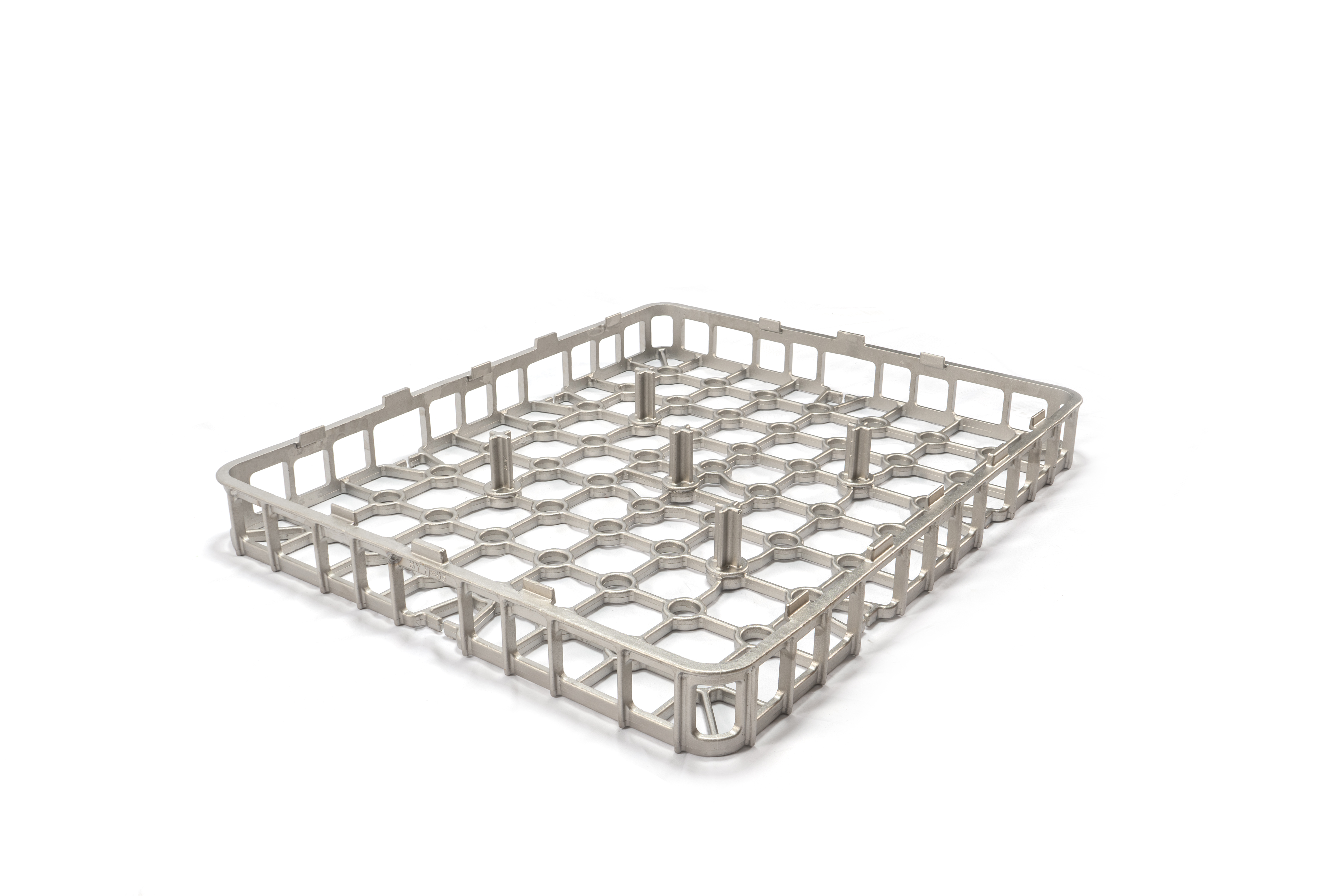
Heat treatment processes are fundamental to manufacturing operations across aerospace, automotive, tooling, and heavy machinery industries. These controlled heating and cooling cycles transform the microstructure of metal components to achieve desired mechanical properties such as hardness, strength, ductility, and wear resistance. However, even minor deviations in process parameters, atmospheric conditions, or handling procedures can introduce defects that compromise component integrity and performance. Understanding the root causes of common heat treatment defects and implementing targeted prevention strategies enables manufacturers to maintain consistent quality, reduce scrap rates, and meet stringent industry specifications.
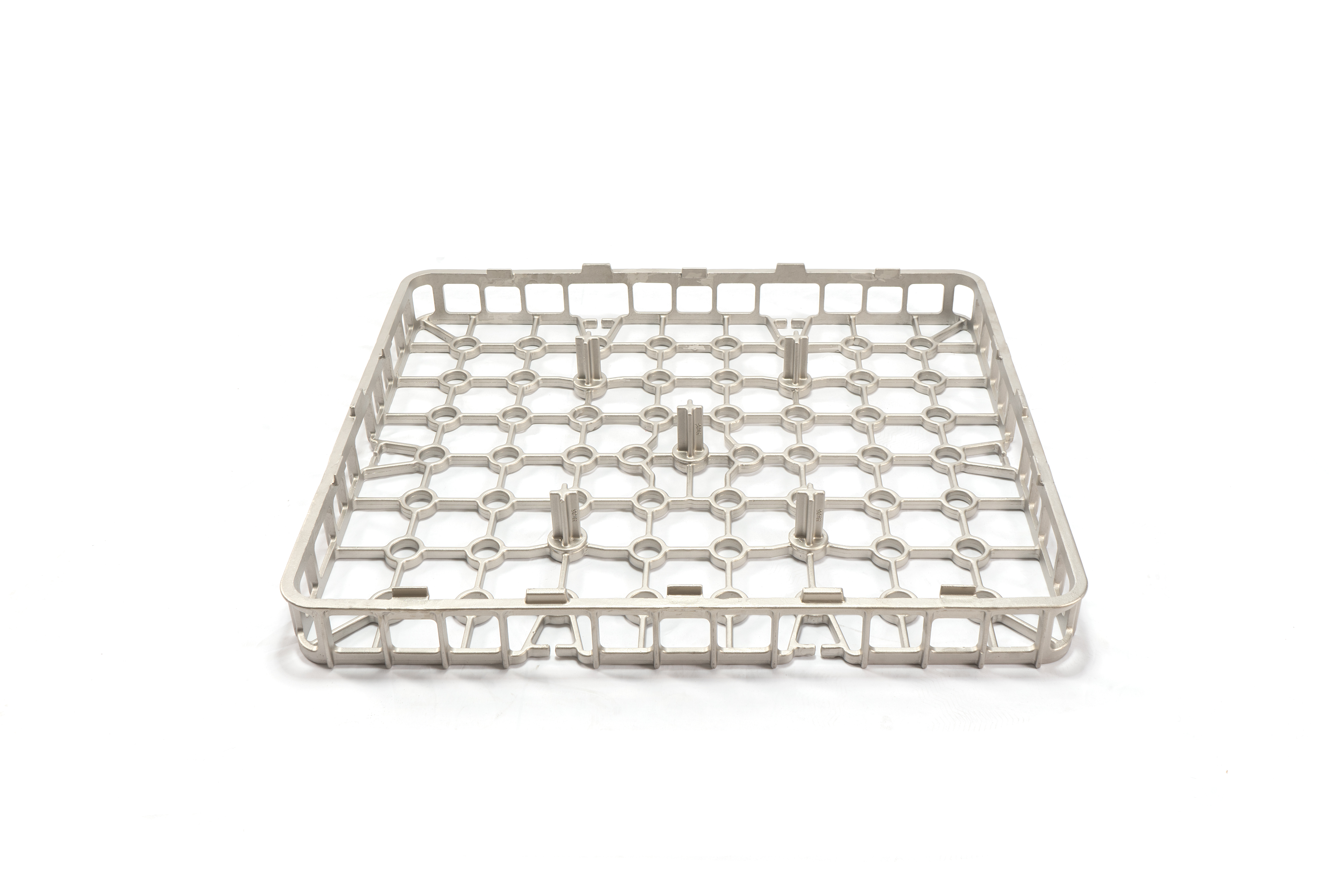
This article examines three of the most prevalent defects encountered during heat treatment operations: decarburization, cracking, and warping. Each defect presents distinct challenges rooted in specific process variables, material characteristics, and equipment design. By analyzing the metallurgical mechanisms behind these failures and exploring practical mitigation techniques, industrial professionals can develop robust process controls that preserve component geometry, surface integrity, and internal structure. The following sections provide actionable guidance for identifying risk factors, adjusting operational parameters, and implementing quality assurance measures that prevent costly defects before they occur.
Understanding Decarburization in Heat Treatment Operations
Mechanisms Driving Carbon Loss at Component Surfaces
Decarburization refers to the loss of carbon from the surface layer of steel components during heat treatment, resulting in a softer, less wear-resistant outer zone that undermines functional performance. This phenomenon occurs when carbon atoms diffuse from the steel surface into the surrounding atmosphere at elevated temperatures, particularly when oxygen or water vapor is present in the furnace environment. The rate of carbon loss accelerates exponentially with temperature increases, making high-temperature austenitizing operations especially vulnerable. The affected surface depth can range from a few thousandths of an inch to several hundredths, depending on exposure time, temperature, and atmospheric composition.
The metallurgical consequences of decarburization extend beyond simple hardness reduction. The carbon-depleted surface layer exhibits altered transformation behavior during quenching, often forming soft ferrite or pearlite structures while the core achieves the intended martensite. This creates a hardness gradient that reduces fatigue strength, wear resistance, and contact stress tolerance. Components subject to surface loading, such as gears, bearings, and cutting tools, experience premature failure when decarburization compromises the critical working surfaces. The defect becomes particularly problematic when subsequent grinding operations cannot remove sufficient material to reach unaffected substrate without violating dimensional tolerances.
Protective Atmospheres and Their Implementation
Preventing decarburization requires establishing a controlled furnace atmosphere that either maintains carbon equilibrium with the steel surface or creates a mildly carburizing environment. Endothermic gas generated from natural gas or propane provides a cost-effective protective atmosphere containing carbon monoxide, hydrogen, and nitrogen that prevents oxidation and carbon loss. The carbon potential of this atmosphere must be carefully monitored and adjusted to match the carbon content of the steel being processed, typically maintaining a slight positive carbon potential to offset any minor leakage or consumption.
For critical applications demanding zero tolerance for surface carbon variation, vacuum heat treatment eliminates atmospheric interaction entirely by processing components in chambers evacuated to pressures below one torr. This approach proves especially valuable for tool steels, high-alloy stainless grades, and precision components where even minimal decarburization cannot be tolerated. Alternative protective methods include salt bath heat treatment, where molten salt physically isolates component surfaces from air, and pack carburizing techniques that surround parts with carbon-rich media during heating. Each method presents distinct advantages regarding capital cost, operating expense, component geometry compatibility, and production throughput.
Process Design Modifications to Minimize Carbon Loss
Beyond atmospheric control, several heat treatment process modifications reduce decarburization risk. Minimizing time at peak temperature decreases the duration available for carbon diffusion without compromising the necessary austenitizing and homogenization reactions. Rapid heating rates that reduce total furnace exposure time prove beneficial, though they must be balanced against thermal stress considerations for complex geometries. Pre-oxidation removal through mechanical or chemical cleaning eliminates scale and contaminants that can catalyze localized decarburization by creating oxidizing microenvironments at the metal surface.
Equipment selection significantly influences decarburization outcomes. Continuous pusher furnaces with tight atmospheric seals and multiple zone control maintain more consistent protection than batch furnaces subject to door opening and atmospheric disturbances. When using heat treatment fixtures and baskets, selecting materials and designs that minimize flow disruption and shadowing ensures uniform atmospheric protection across all component surfaces. Regular furnace maintenance including door seal inspection, atmosphere delivery system verification, and carbon potential probe calibration forms the foundation of consistent defect prevention.
Cracking Mechanisms and Prevention Strategies
Thermal Stress Cracking During Quenching Operations
Cracking represents one of the most catastrophic heat treatment defects, rendering components completely unserviceable and often undetectable until failure occurs in service. Thermal stress cracking develops when rapid cooling during quenching creates differential contraction between surface and core regions, generating tensile stresses that exceed the material's fracture strength. The temperature gradient established during quenching drives this stress development, with surface layers attempting to contract while hotter interior regions remain expanded. Sharp corners, section thickness variations, holes, keyways, and other geometric stress concentrations amplify local stresses, making these features preferred crack initiation sites.
The severity of thermal stress increases with quench severity, which relates directly to the cooling power of the quenchant. Water quenching generates the most aggressive cooling rates and highest thermal stresses, while oil quenching provides intermediate severity, and gas quenching offers the gentlest cooling. Material properties significantly influence crack susceptibility, with higher carbon content, alloying element levels, and prior cold work increasing hardenability while simultaneously reducing thermal shock resistance. Components with complex geometries, large section size variations, or sharp transitions face elevated risk even under moderate quenching conditions.
Transformation Stress and Martensitic Cracking
A second cracking mechanism arises from transformation stresses generated during the austenite-to-martensite phase change that occurs below the martensite start temperature. This transformation involves approximately four percent volume expansion as the face-centered cubic austenite structure converts to body-centered tetragonal martensite. When different regions transform at different times due to thermal gradients, the expanding zones generate internal stresses against surrounding material. These transformation stresses combine with residual thermal stresses, often pushing total stress levels beyond the material's fracture threshold.
Martensitic transformation cracking typically exhibits distinctive features including crack surfaces perpendicular to component geometry, intergranular fracture paths following prior austenite grain boundaries, and frequently occur during or immediately after quenching before the component reaches room temperature. High hardenability steels that transform to martensite throughout their cross-section face greater transformation stress risk than shallow-hardening grades where only surface regions transform. The problem intensifies when components contain residual stresses from prior manufacturing operations such as machining, welding, or forming, as these pre-existing stresses superimpose on heat treatment stresses to reach critical levels.
Practical Crack Prevention Through Process Optimization
Preventing heat treatment cracking requires a systematic approach addressing material selection, component design, process parameter optimization, and quality control. Selecting grades with appropriate hardenability for the section size avoids excessive quench severity requirements while achieving target core properties. Design modifications that eliminate sharp corners through generous radii, minimize section thickness variations through tapered transitions, and relocate holes and keyways away from high-stress zones substantially reduce crack susceptibility.
Quenchant selection and application method critically influence crack prevention. Using oil or polymer quenchants instead of water reduces thermal shock for many applications, while interrupted quenching techniques such as marquenching or austempering allow thermal equalization before transformation begins, dramatically reducing stress development. Spray quenching with controlled flow patterns and intensity variation by zone enables customized cooling that protects vulnerable features while adequately hardening critical areas. Preheating components before quenching reduces the total temperature differential, while quenching from the lowest effective austenitizing temperature minimizes retained heat that drives subsequent stress accumulation.
Immediate tempering following quenching provides essential stress relief before cracks can propagate. Double tempering cycles ensure complete transformation of retained austenite and maximum stress reduction. For particularly crack-sensitive components, cryogenic treatment between quenching and tempering stabilizes retained austenite and promotes its transformation under controlled conditions rather than allowing spontaneous transformation that can trigger delayed cracking hours or days after initial processing. Magnetic particle inspection, liquid penetrant testing, or ultrasonic examination performed after heat treatment detects any cracks that did form, preventing defective components from reaching service applications.
Warping and Distortion Control
Sources of Dimensional Change During Heat Treatment
Warping and distortion describe unwanted dimensional changes that occur during heat treatment cycles, causing components to deviate from specified geometry and potentially rendering them unusable without costly straightening or remachining operations. Multiple mechanisms contribute to distortion including thermal expansion and contraction, phase transformation volume changes, stress relief from prior manufacturing operations, and plastic deformation under the component's own weight at elevated temperatures. Unlike cracking, warping typically does not compromise material properties but creates assembly interference, concentricity errors, flatness deviations, and dimensional tolerance violations that affect function.
Thermal expansion occurs as components heat to austenitizing temperature, with different crystal structures exhibiting distinct expansion coefficients. Non-uniform heating generates temporary thermal gradients that cause differential expansion across the component, creating transient distortion that may become permanent if plastic deformation occurs while certain zones remain hot and soft. During cooling, thermal contraction follows a reverse pattern, with surface regions contracting before core areas, establishing stress fields that can exceed yield strength and produce permanent set. The magnitude of thermal distortion scales with component size, temperature differential, and section thickness variation.
Transformation-Induced Distortion Mechanisms
Phase transformations during heat treatment generate volume changes independent of thermal expansion effects. The austenite-to-martensite transformation produces approximately four percent expansion, while other transformation products such as bainite or pearlite generate different volume changes. When transformation occurs non-uniformly due to section size variations, hardenability differences, or quenching pattern irregularities, the resulting differential expansion causes warping. Thin sections and surface regions that cool rapidly transform first, expanding while interior zones remain austenitic, establishing stress patterns that deflect the component.
Residual stress relief represents another significant distortion source. Prior manufacturing processes including casting, forging, machining, welding, and forming introduce locked-in stresses that remain dormant until heat treatment elevates temperatures sufficiently to allow stress relaxation through plastic flow or creep mechanisms. As these pre-existing stresses release, the component distorts toward a lower energy configuration. This phenomenon explains why apparently identical components from different production lots may exhibit different distortion patterns during heat treatment, reflecting their unique manufacturing histories and residual stress distributions.
Distortion Mitigation Through Fixturing and Process Control
Controlling heat treatment distortion requires addressing both intrinsic material behavior and external processing variables. Symmetrical component design with uniform section thickness, balanced geometry, and elimination of heavy unsupported features reduces inherent distortion tendency. When asymmetry is unavoidable, strategic fixturing during heat treatment constrains distortion by supporting vulnerable sections and preventing deflection under gravitational loading at temperature. Fixtures must accommodate thermal expansion while providing adequate restraint, typically using materials with similar expansion coefficients to minimize differential movement.
Process parameter optimization significantly influences distortion outcomes. Slower, more uniform heating rates reduce thermal gradients that drive differential expansion, while controlled quenching patterns that cool components symmetrically minimize transformation stress imbalances. Press quenching applies mechanical restraint during cooling to maintain flatness of plate-like components, while fixtures and dies constrain more complex shapes during the critical transformation temperature range. For precision components with tight tolerances, vacuum heat treatment with gas quenching provides highly uniform heating and controlled cooling that minimizes distortion compared to conventional atmosphere furnace processing.
Strategic process sequencing reduces distortion by positioning heat treatment appropriately within the manufacturing flow. Performing rough machining before heat treatment and reserving final precision operations for after thermal processing accommodates distortion through subsequent material removal. Stress-relief annealing before final heat treatment eliminates residual stresses from prior operations, preventing their release during hardening. When distortion consistently exceeds acceptable limits despite process optimization, straightening operations using presses or dedicated fixtures while components remain warm after tempering can restore dimensional conformance, though this adds cost and requires careful control to avoid cracking or property degradation.
Integrated Quality Assurance for Defect Prevention
Process Monitoring and Control Systems
Preventing heat treatment defects requires robust process monitoring and control systems that maintain critical parameters within established tolerances throughout each cycle. Temperature uniformity surveys verify that all furnace zones achieve target temperatures within acceptable ranges, identifying heating element degradation, thermocouple drift, or airflow problems before they cause processing deviations. Continuous chart recording or digital data logging documents actual time-temperature profiles for each load, providing traceability and enabling correlation between process variations and defect occurrences.
Atmosphere control systems for decarburization prevention demand particularly rigorous monitoring. Oxygen probes continuously measure atmosphere carbon potential in real-time, triggering automatic adjustments to enriching gas flow rates that maintain target values despite furnace loading variations, air infiltration, or gas supply fluctuations. Regular calibration of monitoring instruments using standard reference materials ensures measurement accuracy, while alarm systems alert operators to out-of-specification conditions requiring immediate corrective action before defects develop.
Material Verification and Traceability Protocols
Many heat treatment defects trace back to material chemistry variations, grade substitutions, or unknown prior processing that alters response to thermal cycles. Implementing incoming material verification through optical emission spectroscopy, X-ray fluorescence analysis, or portable chemical testing confirms alloy composition matches specifications before components enter production. Maintaining complete material traceability from raw material receipt through final inspection enables rapid root cause investigation when defects occur, identifying whether material variability contributed to the problem.
Prior processing history significantly influences heat treatment outcomes, making documentation of manufacturing sequence, intermediate annealing treatments, and cold work levels essential for consistent results. Components that received excessive cold work, localized heating from welding, or surface contamination from forming lubricants require special handling or cleaning before heat treatment to prevent defects. Establishing standardized pre-heat treatment inspection procedures that verify surface condition, geometry conformance, and proper identification ensures only acceptable components enter thermal processing.
Validation Testing and Continuous Improvement
Systematic validation testing verifies heat treatment effectiveness and detects defects before components reach critical applications. Hardness testing at specified locations confirms achieved properties meet requirements and reveals decarburization through reduced surface readings. Metallographic examination of representative samples documents microstructure, transformation completeness, and surface integrity including decarburization depth measurement. Non-destructive testing methods detect cracks and other internal discontinuities without destroying components, enabling inspection of actual production parts rather than relying solely on test coupons.
Continuous improvement programs analyze defect data to identify patterns, common causes, and opportunities for process enhancement. Statistical process control charts track key variables including hardness results, distortion measurements, and defect rates over time, revealing trends that indicate developing problems before they produce major quality issues. Root cause analysis of defects using structured methodologies such as fishbone diagrams or five-whys investigations identifies contributing factors across materials, methods, equipment, and human factors, leading to targeted corrective actions that prevent recurrence. Regular review of heat treatment procedures, training refreshers for operators, and technology updates incorporating new equipment or process innovations maintain competitiveness while reducing defect risk.
FAQ
What temperature range causes the most severe decarburization during heat treatment?
Decarburization accelerates dramatically at temperatures above 1600°F (870°C), which corresponds to the austenitizing range for most carbon and low-alloy steels. At these elevated temperatures, carbon diffusion rates increase exponentially, and oxidizing atmospheres aggressively extract carbon from surface layers. The severity depends on both temperature level and exposure time, with longer soak periods at high temperatures producing deeper decarburization. Protective atmospheres become increasingly critical as processing temperatures rise, and even brief exposure to air during loading or unloading can cause measurable carbon loss on heated components.
Can all heat treatment cracks be detected immediately after quenching?
Not all heat treatment cracks manifest immediately after quenching. While most thermal stress cracks form during or shortly after the quench, delayed cracking can occur hours or even days later due to hydrogen embrittlement, gradual stress redistribution, or spontaneous transformation of retained austenite at room temperature. This delayed cracking phenomenon makes immediate post-quench inspection insufficient for high-reliability applications. Best practice includes a holding period of at least 24 hours after tempering before final inspection, allowing any time-dependent crack formation to occur before components are approved for service. Critical aerospace and automotive components often undergo multiple inspections at different intervals to catch delayed defects.
How much distortion should be expected during typical steel hardening operations?
Distortion magnitude varies widely depending on component geometry, steel grade, heat treatment process, and section size, making universal predictions difficult. Simple, symmetrical shapes with uniform sections may experience dimensional changes of only 0.001 to 0.003 inches per inch of length, while complex asymmetric components can distort ten times that amount or more. Long, slender shafts commonly experience several thousandths of an inch runout, while thin discs may develop flatness deviations exceeding 0.010 inches. Experienced heat treaters develop distortion databases for specific part families and adjust machining allowances accordingly. For precision applications requiring minimal distortion, vacuum heat treatment with controlled gas quenching typically produces 30 to 50 percent less dimensional change compared to conventional oil quenching.
What role does tempering play in preventing heat treatment defects?
Tempering serves as the critical final stage that relieves quenching stresses, transforms retained austenite, and reduces crack susceptibility while adjusting hardness to specified levels. Immediate tempering after quenching prevents delayed cracking by reducing internal stress levels before they can cause fracture, particularly important for high-carbon and highly-alloyed steels that retain significant stress after martensitic transformation. The tempering process also stabilizes dimensions by allowing controlled relaxation and transformation completion, minimizing subsequent distortion during service. Double or triple tempering cycles provide additional stress relief and ensure complete austenite transformation, especially critical for tool steels and bearing components where retained austenite would compromise dimensional stability and wear resistance.
Table of Contents
- Understanding Decarburization in Heat Treatment Operations
- Cracking Mechanisms and Prevention Strategies
- Warping and Distortion Control
- Integrated Quality Assurance for Defect Prevention
-
FAQ
- What temperature range causes the most severe decarburization during heat treatment?
- Can all heat treatment cracks be detected immediately after quenching?
- How much distortion should be expected during typical steel hardening operations?
- What role does tempering play in preventing heat treatment defects?