
 EN
EN

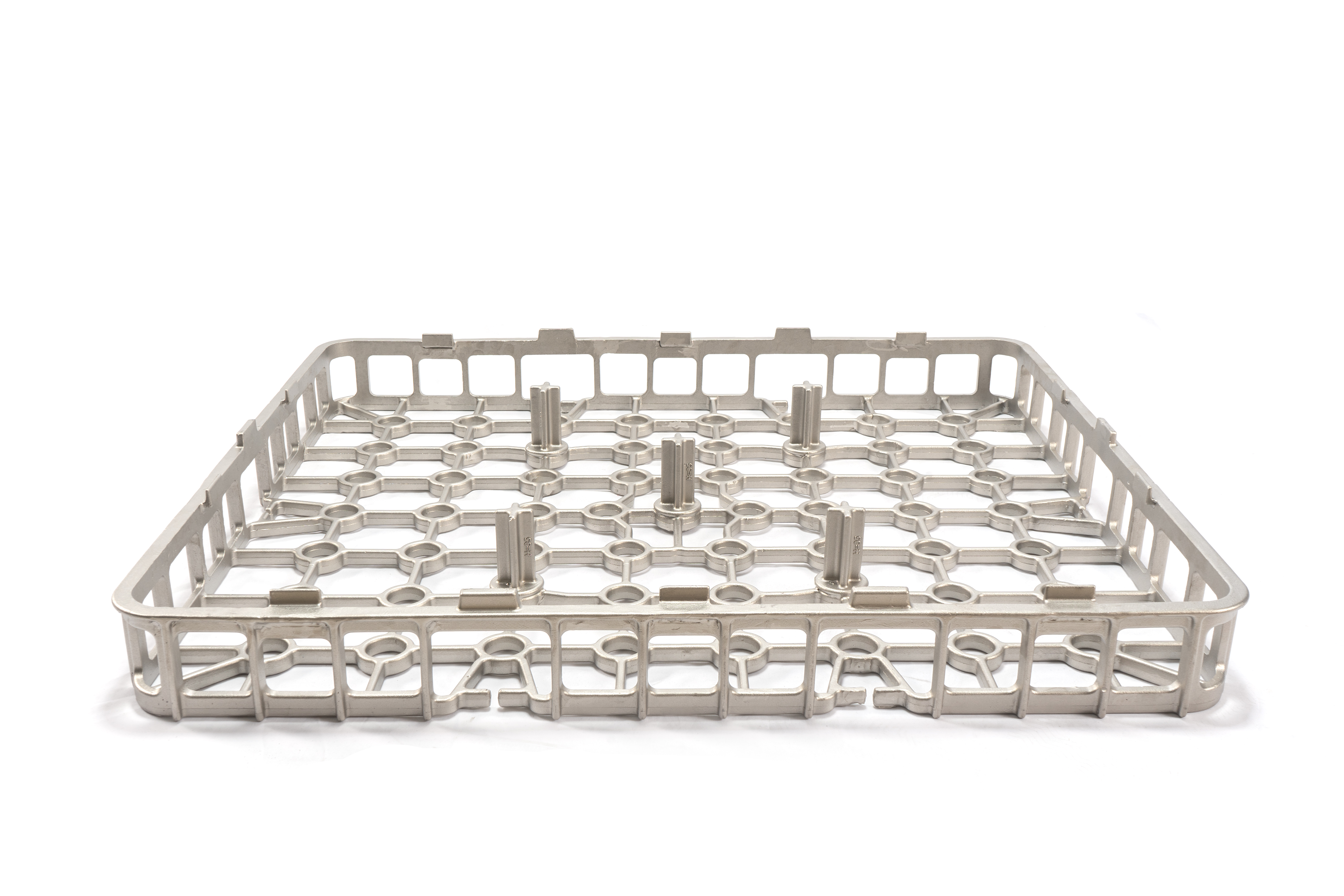
Selecting the appropriate heat treatment process for metal components is a critical engineering decision that directly impacts material performance, operational longevity, and manufacturing cost efficiency. Whether you're working with structural steel, precision machinery parts, or high-stress industrial components, understanding the functional differences between annealing, tempering, and quenching enables you to optimize mechanical properties for specific application requirements. The heat treatment method you choose determines hardness, ductility, residual stress levels, and microstructural integrity—all of which govern how your metal will perform under real-world loading conditions.
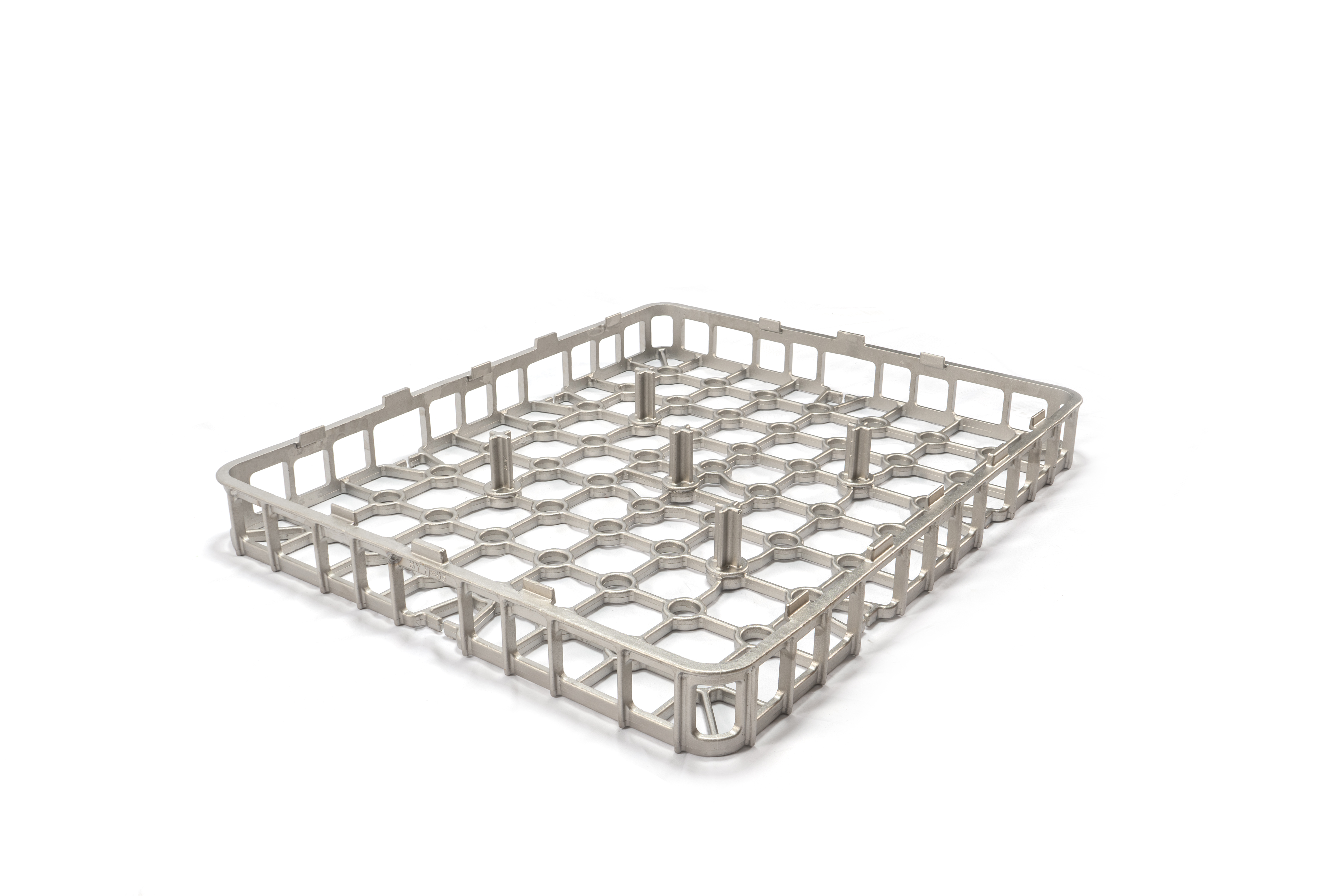
The decision framework for selecting the right heat treatment begins with a clear assessment of your component's functional demands, material composition, and downstream processing requirements. Annealing softens metal and relieves internal stresses, making it ideal for improving machinability and formability. Quenching hardens metal by locking in a martensitic structure through rapid cooling, which is essential for wear-resistant applications. Tempering reduces brittleness in quenched parts while maintaining acceptable hardness levels, balancing toughness with strength. This article provides a structured approach to evaluating these three processes, examining their metallurgical mechanisms, comparative performance outcomes, and decision criteria tailored to industrial manufacturing contexts.
Understanding the Metallurgical Basis of Heat Treatment Processes
Phase Transformation and Microstructural Control
Heat treatment fundamentally manipulates the crystalline structure of metals by controlling heating rates, peak temperatures, holding times, and cooling velocities. In ferrous alloys, the austenitic phase forms at elevated temperatures, and the subsequent cooling rate determines whether the final structure becomes pearlite, bainite, or martensite. Each microstructure exhibits distinct mechanical properties: pearlite offers moderate strength with good ductility, bainite provides enhanced toughness, and martensite delivers maximum hardness but reduced ductility. Understanding these phase transformations is essential for selecting the correct heat treatment strategy aligned with your component's performance specifications.
The time-temperature-transformation diagram for a given alloy serves as the metallurgical roadmap for process selection. Annealing processes typically involve slow cooling within the furnace, allowing sufficient time for carbon diffusion and the formation of equilibrium structures. Quenching interrupts this transformation by cooling the metal faster than the critical cooling rate, trapping carbon atoms in a supersaturated solid solution that forms martensite. Tempering reheats quenched material to a subcritical temperature, precipitating fine carbides and relieving internal stresses without sacrificing significant hardness. The interplay between thermal cycle parameters and resulting microstructures directly governs mechanical behavior in service conditions.
Material Composition and Hardenability Considerations
Carbon content and alloying elements profoundly influence how a metal responds to heat treatment. Low-carbon steels with less than 0.3% carbon exhibit limited hardenability and respond primarily to annealing for grain refinement and stress relief. Medium-carbon steels ranging from 0.3% to 0.6% carbon achieve substantial hardening through quenching, making them suitable for components requiring both strength and toughness after tempering. High-carbon steels exceeding 0.6% carbon can attain extreme surface hardness but require careful tempering to avoid excessive brittleness in the core.
Alloying elements such as chromium, molybdenum, nickel, and manganese modify hardenability by shifting transformation curves and altering critical cooling rates. These elements enable through-hardening in thicker sections and allow the use of less severe quenching media, reducing distortion and cracking risks. When selecting a heat treatment process, engineers must account for the material's chemical composition to predict achievable hardness depths, required quenching intensity, and appropriate tempering temperatures. Hardenability curves and Jominy end-quench tests provide quantitative data for matching process parameters to material specifications and component geometry.
Comparative Analysis of Annealing Applications and Performance Outcomes
Stress Relief and Ductility Enhancement Through Annealing
Annealing serves as the primary heat treatment method for softening metals, refining grain structures, and eliminating residual stresses introduced during forming, machining, or welding operations. Full annealing involves heating steel to above its upper critical temperature, holding for complete austenitization, then furnace-cooling at controlled rates to produce a coarse pearlitic structure with maximum softness. This process is particularly valuable for heavily cold-worked materials that have become excessively hard and difficult to machine, as it restores ductility and enables further fabrication without tool wear or workpiece cracking.
Process annealing or subcritical annealing operates at lower temperatures below the lower critical point, providing partial softening without complete phase transformation. This variant is commonly applied between successive cold-working stages to restore formability while minimizing cycle time and energy consumption. Spheroidize annealing produces a globular carbide morphology in high-carbon steels, optimizing machinability for subsequent manufacturing operations. The choice among annealing variants depends on the degree of softening required, the material's initial condition, and whether complete recrystallization or partial recovery is sufficient for the intended application.
Grain Structure Refinement and Homogenization Benefits
Beyond stress relief, heat treatment through annealing improves material uniformity by homogenizing chemical composition gradients and refining coarse cast or forged grain structures. Normalizing, a specific annealing variant involving air cooling rather than furnace cooling, produces finer pearlite spacing and improved mechanical properties compared to full annealing. This makes normalizing preferable for structural components requiring better strength-to-weight ratios while maintaining adequate ductility for fabrication and field service.
Solution annealing in austenitic stainless steels and non-ferrous alloys dissolves precipitates and carbides, creating a homogeneous solid solution that maximizes corrosion resistance. The rapid cooling following solution annealing prevents sensitization and maintains the material's passivation characteristics. For manufacturing workflows involving subsequent forming or welding, annealing establishes the optimal starting microstructure that minimizes springback, reduces forming loads, and prevents heat-affected zone embrittlement. Selecting annealing as your primary heat treatment strategy is appropriate when component requirements prioritize machinability, formability, or stress-free assemblies over maximum hardness.
Evaluating Quenching Methods for Maximum Hardness and Wear Resistance
Rapid Cooling Dynamics and Martensitic Transformation
Quenching represents the most aggressive heat treatment approach, designed to lock in maximum hardness by suppressing diffusion-controlled transformations and forcing martensitic shear transformation. The process requires heating steel above its austenitizing temperature until carbon fully dissolves in the face-centered cubic iron lattice, followed by immersion in a quenching medium that extracts heat faster than the material's critical cooling rate. Water quenching provides the most severe cooling intensity, suitable for low-alloy steels with poor hardenability, while oil quenching offers moderate cooling rates that reduce distortion and cracking risks in complex geometries.
Polymer quenchants and salt baths enable precise control over cooling characteristics by adjusting concentration, temperature, and agitation rates. These engineered quenching media deliver intermediate cooling velocities between water and oil, allowing optimization of hardness penetration while minimizing thermal gradients that cause warping. Gas quenching in vacuum furnaces provides the gentlest cooling profile, reserved for high-alloy tool steels and precipitation-hardening alloys where dimensional stability is paramount. The selection of quenching medium must balance hardness requirements against distortion tolerances, with component geometry and material hardenability dictating the minimum cooling rate necessary to achieve through-hardening or specified case depths.
Surface Hardening Techniques and Case Depth Control
When component design requires a hard wear-resistant surface combined with a tough ductile core, surface heat treatment methods such as flame hardening, induction hardening, or carburizing followed by quenching deliver optimal property gradients. Induction hardening uses electromagnetic fields to rapidly heat surface layers before immediate quenching, producing shallow hardened cases typically ranging from 1 to 5 millimeters deep. This localized heat treatment approach minimizes bulk distortion and enables selective hardening of critical wear surfaces while leaving other areas machinable for subsequent operations.
Carburizing introduces additional carbon into the surface layer through high-temperature diffusion in a carbon-rich atmosphere, followed by quenching to transform the enriched case into high-hardness martensite. This process achieves surface hardness levels exceeding 60 HRC while maintaining core toughness, making it ideal for gears, bearings, and shafts subjected to contact fatigue and bending stresses. The case depth and carbon gradient profile are controlled through carburizing time and temperature, with typical case depths ranging from 0.5 to 2.5 millimeters for industrial applications. Choosing quenching as your heat treatment method is appropriate when wear resistance, fatigue strength, or surface durability govern component performance, provided subsequent tempering addresses brittleness concerns.
Implementing Tempering for Toughness and Dimensional Stability
Tempering Temperature Selection and Property Optimization
Tempering is the essential follow-up heat treatment applied to quenched components to relieve internal stresses, reduce brittleness, and adjust the hardness-toughness balance according to application requirements. The process involves reheating hardened steel to temperatures typically ranging from 150°C to 650°C, holding for sufficient time to allow carbon diffusion and carbide precipitation, then air cooling to room temperature. Low-temperature tempering between 150°C and 250°C produces tempered martensite with minimal hardness loss, suitable for cutting tools and wear parts where maximum hardness retention is critical.
Medium-temperature tempering from 250°C to 400°C achieves an optimal balance between hardness and toughness for structural components, springs, and machine parts exposed to impact loading. High-temperature tempering above 400°C substantially increases ductility and impact resistance while reducing hardness to levels comparable to normalized steel, creating a structure called tempered martensite or sorbite. The tempering temperature directly correlates with final hardness according to predictable tempering curves specific to each alloy composition, enabling precise property targeting through thermal cycle control.
Stress Redistribution and Crack Prevention Mechanisms
Beyond property modification, tempering serves a critical function in relieving residual stresses that develop during the martensitic transformation. The volume expansion accompanying martensite formation creates high internal stresses that can lead to delayed cracking hours or days after quenching if left untempered. Prompt tempering within two to four hours of quenching prevents this phenomenon by allowing localized plastic deformation and stress redistribution before crack initiation occurs. For complex geometries or large sections with significant thermal mass variations, double or triple tempering cycles ensure complete stress relief and dimensional stability.
The tempering parameter, a function of temperature and time, governs the extent of carbide coarsening and mechanical property evolution. Isothermal tempering at constant temperature produces uniform properties throughout the section, while step tempering with progressively increasing temperatures can optimize surface-to-core property gradients. Selecting the appropriate heat treatment sequence of quenching followed by tempering is essential when components must withstand dynamic loading, thermal cycling, or operating stresses that would cause brittle fracture in untempered martensite. The tempering stage transforms inherently brittle quenched structures into engineering materials capable of reliable service performance.
Decision Framework for Process Selection Based on Component Requirements
Mechanical Property Targets and Loading Condition Analysis
The selection of the optimal heat treatment process begins with a comprehensive analysis of the component's mechanical property requirements derived from its loading conditions, operating environment, and failure mode risks. Components subjected primarily to static or slowly varying loads benefit from annealing or normalizing processes that emphasize ductility and toughness over maximum hardness. Structural members, pressure vessels, and welded assemblies typically fall into this category, where stress relief and uniformity take precedence over wear resistance.
For parts experiencing sliding wear, abrasive contact, or surface fatigue, quenching followed by tempering provides the necessary surface hardness to resist material removal while maintaining core toughness to support the hardened layer. Gears, cams, shafts, and bearing races represent typical applications where through-hardening or case-hardening heat treatment methods deliver optimal performance. Components exposed to impact loading or shock conditions require careful tempering to achieve the right balance between strength and energy absorption capacity, with tempering temperatures selected to maximize toughness within acceptable hardness limits.
Manufacturing Process Integration and Cost Considerations
Heat treatment selection must account for upstream and downstream manufacturing operations to optimize the overall production workflow. When extensive machining is required, initial annealing softens the material for efficient cutting and drilling, with final heat treatment applied after near-net shaping to minimize post-hardening finish operations. This sequence reduces tool wear and machining time but requires careful control of final dimensions to accommodate growth or distortion during hardening. Alternatively, through-hardening before machining necessitates grinding or hard turning capabilities, increasing manufacturing costs but eliminating distortion concerns.
Batch processing capabilities, furnace availability, and quenching infrastructure influence practical heat treatment choices. Annealing requires extended furnace occupancy due to slow cooling cycles, limiting throughput compared to quench-and-temper sequences that utilize separate heating and cooling equipment. Energy consumption varies significantly among processes, with normalizing offering reduced cycle times compared to full annealing, and induction hardening providing localized heating efficiency for selective surface treatment. The cost optimization must balance material property requirements against processing time, energy consumption, equipment utilization, and quality control requirements to determine the most economical heat treatment strategy for your specific production volume and component complexity.
Material Grade Selection and Heat Treatment Compatibility
The effectiveness of any heat treatment process depends critically on starting material selection, with steel grades designed specifically for particular thermal processing routes. Low-carbon steels below 0.25% carbon respond poorly to quenching and are typically specified for applications requiring only annealing or normalizing. Medium-carbon grades from 0.30% to 0.50% carbon provide good hardenability for through-hardening applications, achieving hardness levels of 45 to 55 HRC after quenching and tempering. High-carbon steels and tool steels enable maximum surface hardness but require careful attention to austenitizing temperature, quenching intensity, and tempering parameters to avoid cracking or excessive distortion.
Alloy steels containing chromium, molybdenum, and nickel offer improved hardenability, enabling oil quenching instead of water quenching to reduce distortion while achieving through-hardening in thicker sections. These materials command higher raw material costs but may reduce overall manufacturing expenses by enabling less severe quenching media and minimizing distortion correction operations. The decision framework for selecting the right heat treatment process must therefore include material grade optimization, recognizing that alloy selection and thermal processing are interdependent variables that collectively determine component performance and manufacturing efficiency. Matching material chemistry to heat treatment capability ensures that specified properties are reliably achievable within production constraints.
FAQ
What is the primary difference between annealing and quenching in heat treatment processes?
Annealing involves slow, controlled cooling to produce soft, ductile structures with relieved internal stresses, maximizing machinability and formability. Quenching uses rapid cooling to trap carbon in a supersaturated solution, forming hard, wear-resistant martensite. The fundamental distinction lies in cooling rate: annealing allows equilibrium transformation to soft phases like pearlite, while quenching prevents diffusion-controlled transformation, creating metastable hard structures that require subsequent tempering to achieve usable toughness levels.
How do I determine the appropriate tempering temperature after quenching?
Tempering temperature selection depends on your required hardness-toughness balance, determined by the component's loading conditions and failure mode risks. Consult tempering curves specific to your material grade, which plot hardness versus tempering temperature. For maximum wear resistance with acceptable brittleness, use low-temperature tempering around 200°C to 250°C. For structural components requiring impact resistance, select medium to high tempering temperatures from 400°C to 600°C. Always verify final properties through hardness testing and, for critical applications, impact or fracture toughness testing to confirm the tempered structure meets specification requirements.
Can all steel grades be effectively hardened through quenching?
No, only steels with sufficient carbon content and appropriate alloying elements can be effectively hardened through quenching. Low-carbon steels below 0.25% carbon lack adequate carbon to form significant martensite and achieve only marginal hardness increases through quenching. Medium-carbon steels from 0.30% to 0.60% carbon and high-carbon steels above 0.60% carbon respond well to quenching, with achievable hardness correlating to carbon content. Hardenability, which determines the depth of hardening penetration, depends on alloy composition and section size, requiring consideration of both material chemistry and component geometry when specifying heat treatment parameters.
When should I choose normalizing instead of full annealing for stress relief?
Normalizing is preferable when you need faster processing cycles and slightly higher strength compared to full annealing, while still achieving adequate softening and stress relief. The air cooling used in normalizing produces finer grain structures and improved mechanical properties compared to furnace cooling in full annealing, making it suitable for structural components where moderate strength enhancement is beneficial. Choose full annealing when maximum softness is required for extensive machining or when component geometry creates significant thermal gradients that necessitate slower cooling to prevent residual stress development. Normalizing typically reduces cycle time by 50% to 70% compared to full annealing, offering cost advantages for high-volume production.
Table of Contents
- Understanding the Metallurgical Basis of Heat Treatment Processes
- Comparative Analysis of Annealing Applications and Performance Outcomes
- Evaluating Quenching Methods for Maximum Hardness and Wear Resistance
- Implementing Tempering for Toughness and Dimensional Stability
- Decision Framework for Process Selection Based on Component Requirements
-
FAQ
- What is the primary difference between annealing and quenching in heat treatment processes?
- How do I determine the appropriate tempering temperature after quenching?
- Can all steel grades be effectively hardened through quenching?
- When should I choose normalizing instead of full annealing for stress relief?