
 EN
EN
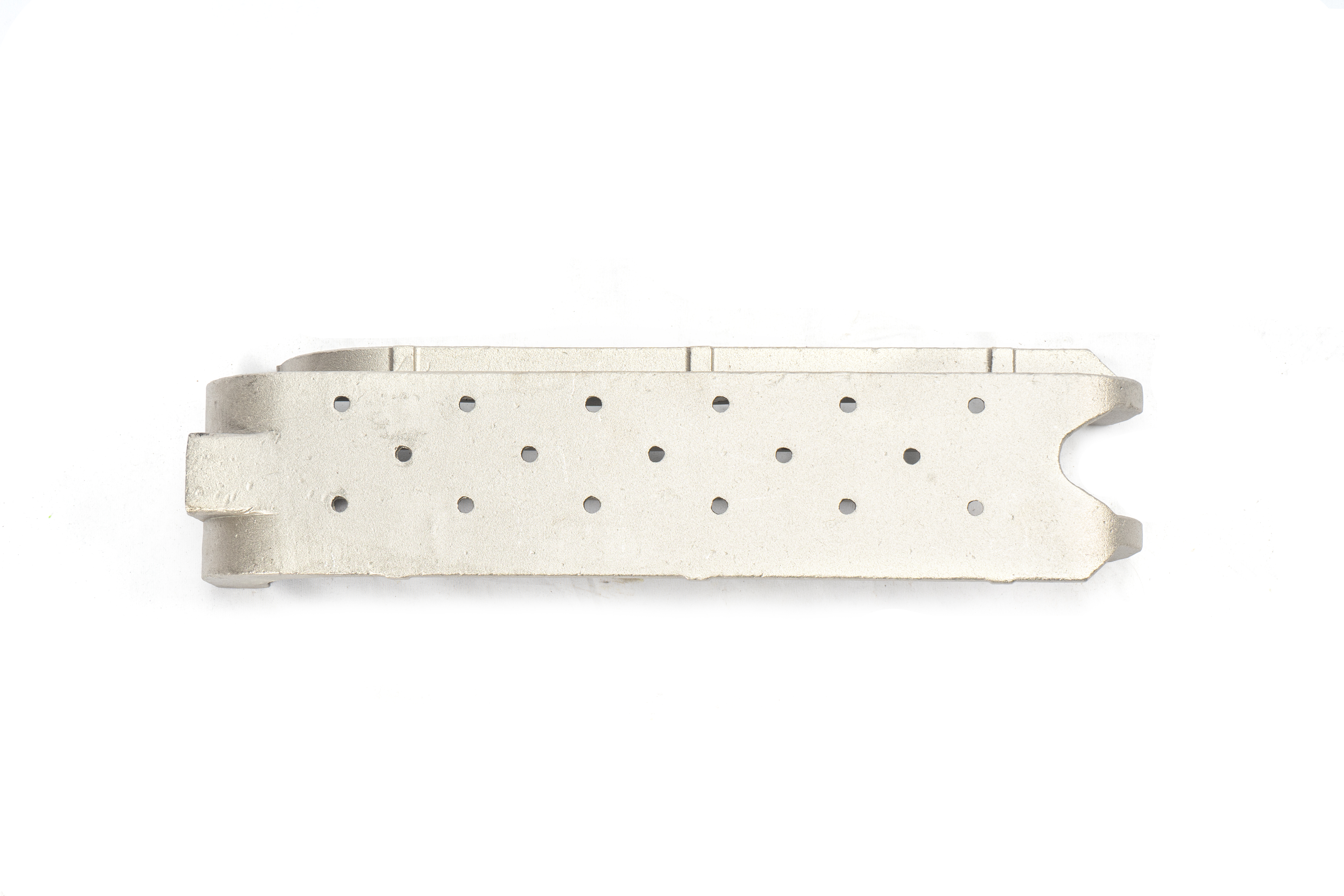
Manufacturing professionals constantly face critical decisions when selecting the optimal casting method for their production needs. Two prominent techniques that dominate the metalworking industry are investment casting and die casting, each offering distinct advantages for different applications. Understanding the fundamental differences between these processes enables engineers and procurement specialists to make informed choices that directly impact product quality, cost efficiency, and manufacturing timelines. The selection between investment casting and die casting depends on multiple factors including material requirements, production volume, dimensional accuracy, and surface finish specifications.
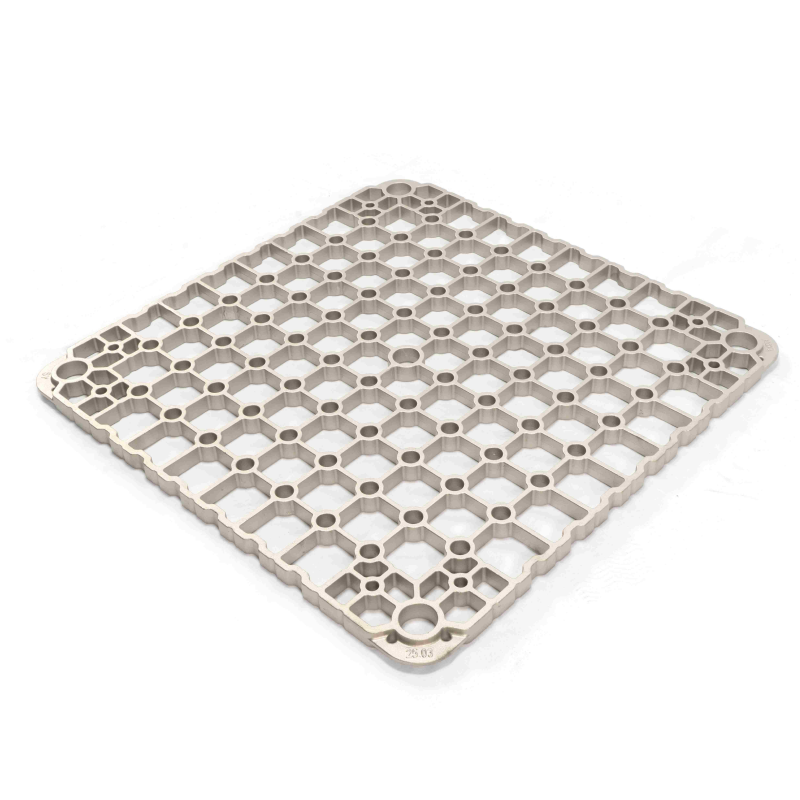
The casting industry has evolved significantly over decades, with both investment casting and die casting establishing themselves as essential manufacturing processes across aerospace, automotive, medical device, and industrial equipment sectors. Modern manufacturing demands require precise understanding of each method's capabilities, limitations, and economic implications to optimize production strategies and maintain competitive advantages in global markets.
Understanding Investment Casting Fundamentals
Process Overview and Core Principles
Investment casting, also known as lost-wax casting, represents one of the oldest and most precise metal forming techniques available to modern manufacturers. The process begins with creating a detailed wax pattern that exactly replicates the desired final component geometry. This wax pattern undergoes coating with ceramic slurry multiple times, building up layers that form a robust shell mold capable of withstanding high-temperature metal pouring operations.
The ceramic shell creation involves systematic dipping, stucco application, and drying cycles that gradually build wall thickness and structural integrity. Once the ceramic shell reaches sufficient strength, manufacturers heat the assembly to remove the wax pattern, leaving behind a hollow cavity that precisely matches the original design specifications. This cavity receives molten metal under controlled conditions, ensuring complete filling and optimal material properties throughout the casting.
Material Compatibility and Alloy Options
Investment casting accommodates an extensive range of metallic materials, including stainless steels, carbon steels, aluminum alloys, titanium alloys, superalloys, and precious metals. The process particularly excels with high-melting-point materials that present challenges for alternative casting methods. Aerospace applications frequently utilize investment casting for turbine blades, structural components, and critical engine parts requiring exceptional material properties and dimensional precision.
The flexibility in material selection enables manufacturers to optimize mechanical properties, corrosion resistance, and thermal characteristics according to specific application requirements. Investment casting processes maintain excellent material integrity, preserving grain structure and minimizing internal stresses that could compromise component performance under demanding operating conditions.
Die Casting Process Analysis
High-Pressure Injection Methodology
Die casting employs high-pressure injection systems to force molten metal into precision-machined steel dies at velocities reaching several meters per second. The rapid injection and subsequent cooling create dense, fine-grained structures with excellent mechanical properties and superior surface finishes. Modern die casting machines incorporate sophisticated pressure control systems, temperature monitoring, and automated cycle management to ensure consistent quality across high-volume production runs.
The steel dies used in die casting undergo extensive machining and surface treatment processes to achieve mirror-like finishes and precise dimensional tolerances. These permanent molds enable rapid cycle times, typically ranging from thirty seconds to several minutes depending on component size and complexity. The combination of high pressure, controlled cooling, and permanent tooling results in components with exceptional dimensional consistency and minimal secondary machining requirements.
Material Limitations and Alloy Restrictions
Die casting primarily utilizes non-ferrous alloys including aluminum, zinc, magnesium, and copper-based materials due to the process requirements and die durability considerations. Aluminum die casting dominates automotive and consumer electronics applications, providing excellent strength-to-weight ratios, corrosion resistance, and thermal conductivity properties. Zinc die casting offers superior dimensional accuracy and surface finish quality, making it ideal for decorative hardware and precision mechanical components.
The material limitations stem from the interaction between molten metal and steel dies, where ferrous materials would cause rapid die wear and potential metallurgical reactions. However, within the suitable alloy range, die casting produces components with consistent mechanical properties and excellent surface characteristics that often eliminate the need for additional finishing operations.
Dimensional Accuracy and Surface Quality Comparison
Precision Capabilities and Tolerance Achievement
Investment casting achieves exceptional dimensional accuracy, typically maintaining tolerances within ±0.003 to ±0.005 inches per inch, depending on component size and complexity. The ceramic shell molding process eliminates parting lines and allows for intricate internal geometries, undercuts, and complex surface contours that would be impossible or extremely costly to achieve through machining operations. This precision capability makes investment casting particularly valuable for components requiring minimal post-casting machining.
Die casting also delivers impressive dimensional accuracy, generally achieving tolerances of ±0.002 to ±0.004 inches per inch across most component features. The permanent die construction and high-pressure injection create excellent surface finish quality, often eliminating the need for additional surface treatment processes. However, die casting components typically exhibit parting lines and may require additional machining for critical dimensional features or threaded connections.
Surface Finish Characteristics
The surface finish quality differs significantly between investment casting and die casting processes. Investment casting produces components with as-cast surface finishes ranging from 125 to 250 microinches Ra, depending on ceramic shell composition and processing parameters. While this finish quality exceeds many sand casting alternatives, it may require additional surface treatment for applications demanding mirror-like finishes or specific surface roughness parameters.
Die casting consistently delivers superior surface finish quality, typically achieving 32 to 63 microinches Ra directly from the casting process. The polished steel die surfaces transfer their finish quality to the cast component, often producing surfaces suitable for painting, plating, or anodizing without intermediate preparation steps. This surface quality advantage makes die casting attractive for visible components and applications where appearance plays a critical role.
Production Volume Economics
Tooling Investment and Break-Even Analysis
Investment casting requires relatively low initial tooling investment compared to die casting, making it economically attractive for low to medium production volumes. The wax injection tooling and processing equipment represent a fraction of the investment required for precision steel dies. This lower barrier to entry enables manufacturers to economically produce prototype quantities, small production runs, and specialized components with complex geometries.
Die casting demands substantial upfront investment in precision steel dies, which can cost tens of thousands to hundreds of thousands of dollars depending on component complexity and production volume requirements. However, this high initial investment becomes economically justified at production volumes typically exceeding 10,000 to 50,000 pieces annually, where the per-piece tooling amortization becomes negligible compared to the processing cost advantages.
Per-Piece Production Costs
The per-piece production costs vary significantly between investment casting and die casting, primarily due to differences in cycle times, labor requirements, and material utilization efficiency. Investment casting typically requires longer processing cycles due to shell building, dewaxing, and controlled cooling operations, resulting in higher labor costs per component. Additionally, the ceramic shell materials and wax patterns represent consumable costs that accumulate with each casting cycle.
Die casting achieves significantly lower per-piece costs at high production volumes due to rapid cycle times, automated processing capabilities, and minimal consumable material requirements. The permanent steel dies enable continuous production with minimal operator intervention, reducing labor costs and increasing throughput capacity. Material utilization efficiency in die casting typically exceeds 85%, compared to investment casting yields that may range from 60% to 80% depending on gating system design and component configuration.
Application Suitability and Industry Preferences
Aerospace and High-Performance Applications
Aerospace manufacturers predominantly rely on investment casting for critical engine components, structural elements, and precision instrumentation parts requiring exceptional material properties and dimensional accuracy. The ability to cast superalloys, titanium alloys, and other high-performance materials makes investment casting indispensable for turbine blades, compressor components, and rocket engine parts operating under extreme temperature and stress conditions.
The aerospace industry's emphasis on weight reduction, performance optimization, and safety reliability aligns perfectly with investment casting capabilities. Complex internal cooling passages, lightweight structures with integral features, and components requiring minimal machining all favor investment casting selection despite higher per-piece costs compared to alternative manufacturing methods.
Automotive and Consumer Product Applications
Automotive manufacturers extensively utilize die casting for engine blocks, transmission housings, suspension components, and decorative trim pieces where high production volumes justify the substantial tooling investments. The excellent surface finish quality and dimensional consistency of die cast components align with automotive industry requirements for appearance, fit, and functional performance.
Consumer electronics and appliance manufacturers favor die casting for housings, heat sinks, and structural components requiring precise dimensions and superior surface finishes. The ability to integrate mounting features, snap-fit connections, and decorative elements directly into the casting eliminates secondary operations and reduces overall manufacturing costs in high-volume production scenarios.
Quality Control and Testing Considerations
Inspection and Verification Methods
Investment casting quality control encompasses multiple inspection stages including wax pattern verification, ceramic shell evaluation, casting dimensional measurement, and material property testing. Non-destructive testing methods such as radiographic inspection, penetrant testing, and ultrasonic examination ensure internal soundness and detect potential defects that could compromise component performance.
Die casting quality control focuses on dimensional verification, surface finish measurement, and material property validation through standardized testing protocols. Statistical process control methods monitor key parameters including injection pressure, die temperature, and cycle timing to maintain consistent quality across high-volume production runs. Automated inspection systems increasingly supplement manual measurement techniques to achieve the throughput requirements of modern die casting operations.
Defect Prevention and Mitigation
Common investment casting defects include incomplete filling, porosity, ceramic inclusions, and dimensional distortion, each requiring specific prevention strategies and process parameter optimization. Advanced simulation software enables manufacturers to predict and eliminate potential defects before production begins, reducing development time and improving first-pass yield rates.
Die casting defects typically involve cold shuts, porosity, flash formation, and die wear-related issues that affect surface quality and dimensional accuracy. Preventive maintenance programs, die temperature control, and optimized injection parameters minimize defect occurrence and extend die life, maintaining consistent quality throughout extended production runs.
Future Technology Trends
Additive Manufacturing Integration
Investment casting increasingly incorporates additive manufacturing technology for pattern production, enabling complex geometries and rapid prototype development without traditional tooling constraints. 3D printed patterns in polymer and wax materials expand design possibilities while reducing lead times for prototype and low-volume production applications.
Die casting benefits from additive manufacturing through conformal cooling channel design, optimized die construction, and rapid prototype die production for design validation. Advanced materials and printing technologies enable manufacturers to explore innovative die designs that improve heat transfer, reduce cycle times, and enhance component quality.
Automation and Industry 4.0 Implementation
Both investment casting and die casting embrace automation technologies including robotic handling systems, automated inspection equipment, and integrated data collection systems. Real-time monitoring and predictive maintenance capabilities optimize process parameters and minimize unplanned downtime, improving overall equipment effectiveness and production efficiency.
Industry 4.0 initiatives integrate casting operations with enterprise resource planning systems, enabling comprehensive traceability, quality documentation, and production optimization across multiple manufacturing facilities. Machine learning algorithms analyze historical data to predict optimal process parameters and identify potential quality issues before they impact production output.
FAQ
What are the typical lead times for investment casting versus die casting projects?
Investment casting projects typically require 2-4 weeks for tooling development and 1-2 weeks for production runs, depending on component complexity and quantity requirements. Die casting projects demand longer initial setup periods of 6-16 weeks for die construction but achieve rapid production cycles of days to weeks once manufacturing begins. The choice between methods often depends on project timeline requirements and production volume considerations.
How do material costs compare between investment casting and die casting?
Investment casting material costs include base metals, ceramic shell materials, and wax patterns, typically resulting in higher per-pound material costs due to processing requirements and yield considerations. Die casting material costs primarily involve base metal purchases with minimal consumable additions, achieving better material utilization rates and lower overall material costs per component in high-volume applications.
Which casting method offers better environmental sustainability?
Both casting methods present environmental considerations including energy consumption, waste generation, and material recycling opportunities. Investment casting generates ceramic waste and requires high-temperature processing, while die casting achieves better material utilization and enables extensive aluminum recycling. Modern foundries implement energy-efficient equipment and waste reduction programs to minimize environmental impact regardless of the chosen casting method.
Can complex internal geometries be achieved with both casting methods?
Investment casting excels at producing complex internal geometries, undercuts, and intricate surface details through its lost-wax process and ceramic shell molding capabilities. Die casting limitations include the need for draft angles and simplified internal features due to die opening requirements, though advanced die designs with slides and cores can achieve moderately complex geometries. The selection depends on specific geometric requirements and production volume considerations.