
 EN
EN


Investment casting stands as one of the most precise and versatile manufacturing processes in modern industry, delivering exceptional dimensional accuracy and surface finish quality across numerous applications. This advanced metalworking technique, also known as lost-wax casting, enables manufacturers to create complex geometries and intricate designs that would be challenging or impossible to achieve through conventional machining methods. The investment casting process has revolutionized manufacturing by providing cost-effective solutions for producing high-quality components with minimal material waste and superior mechanical properties.
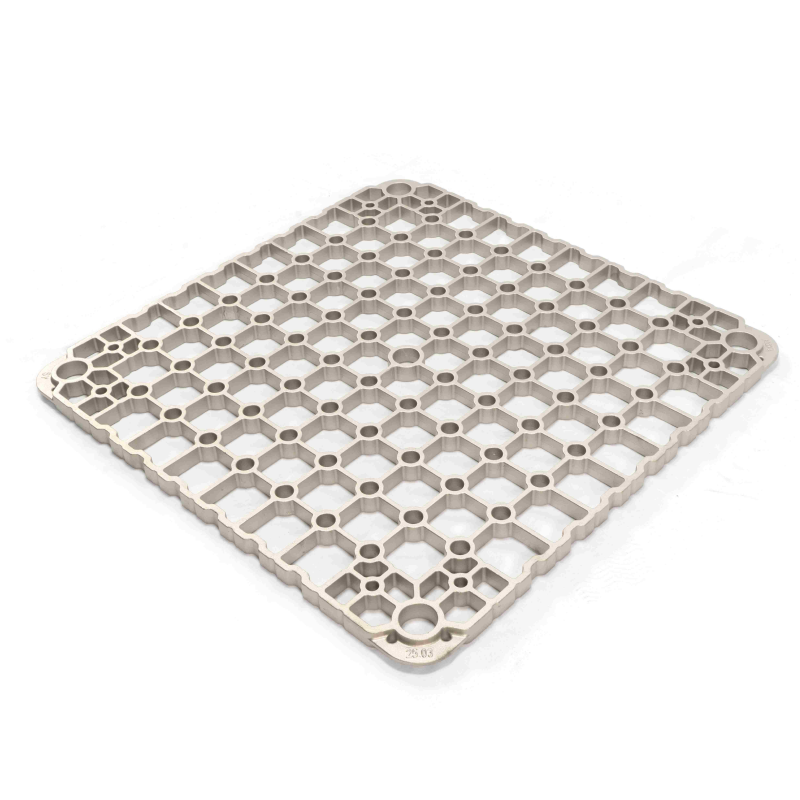
The growing demand for precision-engineered components across diverse industries has significantly expanded the scope of investment casting applications. From aerospace turbine blades to medical implants, this manufacturing process continues to demonstrate its capability to meet the stringent requirements of modern engineering specifications. The inherent advantages of investment casting, including excellent surface finish, dimensional precision, and the ability to cast complex internal passages, make it an indispensable technology for manufacturers seeking competitive advantages in quality and performance.
Aerospace and Aviation Components
Turbine Blades and Engine Parts
The aerospace industry relies heavily on investment casting for manufacturing critical turbine blades and engine components that operate under extreme temperatures and pressures. These precision-engineered parts require exceptional dimensional accuracy and superior metallurgical properties to withstand the demanding conditions of modern aircraft engines. Investment casting enables the production of turbine blades with complex internal cooling channels and aerodynamic profiles that optimize engine performance and fuel efficiency.
Aircraft engine manufacturers utilize investment casting to create single-crystal turbine blades that exhibit superior creep resistance and thermal fatigue properties. The process allows for the integration of sophisticated cooling geometries within the blade structure, including serpentine passages and film cooling holes that maintain optimal operating temperatures. These advanced cooling systems are virtually impossible to machine conventionally, making investment casting the preferred manufacturing method for high-performance aerospace applications.
Structural Aircraft Components
Beyond engine components, investment casting plays a crucial role in manufacturing various structural aircraft parts, including landing gear components, actuator housings, and control surface brackets. These components must meet stringent weight requirements while maintaining exceptional strength-to-weight ratios and resistance to fatigue loading. The investment casting process enables aerospace manufacturers to optimize material distribution and eliminate unnecessary weight through precise geometry control.
Modern aircraft designs increasingly incorporate investment casting for producing lightweight yet durable components that contribute to overall fuel efficiency and operational performance. The ability to cast complex shapes with thin walls and integrated features reduces the need for assembly operations and potential failure points. This manufacturing approach supports the aerospace industry's ongoing efforts to develop more efficient and environmentally sustainable aircraft designs.
Automotive Industry Applications
Engine and Transmission Components
The automotive sector extensively employs investment casting for manufacturing precision engine components, including intake manifolds, exhaust manifolds, and turbocharger housings. These critical parts require excellent dimensional stability and superior mechanical properties to withstand the harsh operating conditions within modern automotive engines. Investment casting enables automotive manufacturers to produce components with complex internal passages that optimize fluid flow and heat transfer characteristics.
Transmission manufacturers rely on investment casting to create intricate valve bodies and hydraulic control components that ensure smooth shifting and optimal power transmission. The process delivers the tight tolerances and smooth surface finishes necessary for proper hydraulic function while minimizing the need for secondary machining operations. This manufacturing efficiency translates directly into cost savings and improved production throughput for automotive suppliers.
Performance and Racing Applications
High-performance automotive applications, particularly in motorsports and luxury vehicle segments, benefit significantly from investment casting technology. Racing teams utilize investment casting to produce lightweight yet strong suspension components, brake calipers, and aerodynamic elements that provide competitive advantages on the track. The process enables the creation of components with optimized material distribution and integrated mounting points that reduce overall vehicle weight.
Luxury automotive manufacturers leverage investment casting to create distinctive design elements and functional components that combine aesthetic appeal with superior performance. The excellent surface finish achieved through investment casting eliminates the need for extensive post-processing, making it an ideal choice for visible components that require both form and function excellence.
Medical Device and Healthcare Applications
Surgical Instruments and Implants
The medical device industry has embraced investment casting for manufacturing precision surgical instruments and biomedical implants that require exceptional surface quality and dimensional accuracy. Orthopedic implants, including hip joints, knee replacements, and spinal fusion devices, benefit from the superior surface finish and biocompatible material properties achievable through investment casting processes. The technology enables the production of complex geometries that promote proper bone integration and long-term implant stability.
Surgical instrument manufacturers utilize investment casting to create specialized tools with intricate features and ergonomic designs that enhance surgical precision and surgeon comfort. The process allows for the integration of multiple functional elements into single components, reducing assembly complexity and potential contamination risks. Investment casting also supports the production of disposable surgical instruments that maintain high quality standards while remaining cost-effective for single-use applications.
Dental and Orthodontic Components
Dental applications represent another significant area where investment casting demonstrates exceptional value in healthcare manufacturing. The process enables the production of custom dental restorations, including crowns, bridges, and partial dentures, with precise fit and excellent biocompatibility. Investment casting allows dental laboratories to create patient-specific components that restore both function and aesthetics while maintaining long-term durability.
Orthodontic appliance manufacturers leverage investment casting to produce brackets, bands, and other corrective devices that require precise dimensions and smooth surfaces for patient comfort. The technology supports the creation of customized treatment solutions that address individual patient needs while maintaining the mechanical properties necessary for effective orthodontic correction.
Industrial Machinery and Equipment
Pump and Valve Components
Industrial pump manufacturers extensively utilize investment casting for producing impellers, volutes, and other fluid-handling components that require precise hydraulic profiles and corrosion resistance. These components must maintain dimensional stability under varying pressure and temperature conditions while providing efficient fluid transfer characteristics. Investment casting enables the creation of complex internal passages and optimized flow geometries that maximize pump efficiency and minimize energy consumption.
Valve manufacturers rely on investment casting to produce valve bodies, bonnets, and trim components that require tight sealing surfaces and precise dimensional control. The process delivers the surface quality and dimensional accuracy necessary for proper valve function while accommodating complex internal configurations that enhance flow control capabilities. Investment casting also supports the production of specialized valve components for high-pressure and high-temperature applications where material integrity is critical.
Heat Exchanger and Processing Equipment
Heat exchanger manufacturers utilize investment casting to create tube sheets, headers, and other components that require precise hole patterns and excellent dimensional stability under thermal cycling conditions. The process enables the production of components with complex internal configurations that optimize heat transfer efficiency while maintaining structural integrity. Investment casting supports the development of compact heat exchanger designs that maximize thermal performance within space-constrained applications.
Process equipment manufacturers leverage investment casting for producing specialized components such as reactor vessels, mixing elements, and separation devices that require precise geometries and corrosion resistance. The technology enables the creation of components with integrated features and optimized material distribution that enhance processing efficiency and equipment reliability.
Energy and Power Generation
Gas Turbine Components
Power generation facilities depend on investment casting for manufacturing critical gas turbine components, including combustor liners, transition pieces, and guide vanes that operate under extreme thermal and mechanical stresses. These components require exceptional dimensional stability and thermal shock resistance to maintain reliable operation throughout extended service intervals. Investment casting enables the production of components with sophisticated cooling systems and thermal barrier coatings that enhance turbine efficiency and service life.
The investment casting process supports the development of advanced gas turbine designs that achieve higher operating temperatures and improved fuel efficiency. Manufacturers utilize the technology to create components with integrated cooling passages and optimized aerodynamic profiles that maximize power output while minimizing emissions. The precision achievable through investment casting eliminates the need for extensive machining operations on complex turbine components.
Nuclear and Renewable Energy Applications
Nuclear power facilities require investment casting for producing specialized components that meet stringent quality and safety standards while maintaining long-term reliability under radiation exposure. The process enables the manufacture of reactor internals, control rod components, and steam generator parts that require precise dimensions and exceptional material properties. Investment casting supports the nuclear industry's commitment to safety and reliability through consistent production of high-quality components.
Renewable energy applications, particularly wind turbine and solar power systems, benefit from investment casting technology for producing components that require durability and precision under varying environmental conditions. The process enables the creation of lightweight yet strong components that optimize energy capture while minimizing maintenance requirements throughout the system's operational life.
Defense and Military Applications
Weapons Systems and Components
Defense contractors utilize investment casting for manufacturing precision weapons components and ordnance systems that require exceptional dimensional accuracy and material properties. The process enables the production of complex geometries with integrated features that enhance weapon system performance and reliability. Investment casting supports the development of advanced weapon systems that meet stringent military specifications while maintaining cost-effectiveness in production.
Military equipment manufacturers rely on investment casting to create specialized components for communication systems, surveillance equipment, and electronic warfare devices that require precise mechanical properties and electromagnetic compatibility. The technology enables the production of lightweight yet durable housings and structural components that protect sensitive electronics while maintaining operational effectiveness in challenging environments.
Armor and Protection Systems
Investment casting plays a crucial role in manufacturing components for personal protective equipment and vehicle armor systems that require optimized material distribution and ballistic performance. The process enables the creation of complex shaped armor panels and structural reinforcements that provide maximum protection while minimizing weight penalties. Investment casting supports the development of advanced protection systems that enhance soldier safety and equipment survivability.
Military vehicle manufacturers leverage investment casting for producing specialized components such as track links, suspension elements, and drivetrain parts that require exceptional durability and precision under extreme operating conditions. The technology enables the creation of components with integrated features and optimized stress distribution that enhance vehicle reliability and mission capability.
Marine and Offshore Applications
Propulsion and Steering Systems
Marine equipment manufacturers extensively utilize investment casting for producing propeller components, rudder systems, and thruster elements that require precise hydrodynamic profiles and corrosion resistance. The process enables the creation of complex propeller geometries with optimized blade designs that maximize propulsive efficiency while minimizing cavitation and noise generation. Investment casting supports the development of advanced marine propulsion systems that meet environmental regulations and performance requirements.
Steering system manufacturers rely on investment casting to produce precision components such as steering gears, actuators, and control valves that require dimensional accuracy and reliability in harsh marine environments. The technology enables the creation of components with integrated sealing surfaces and optimized internal configurations that enhance system responsiveness and durability.
Offshore Platform Equipment
Offshore oil and gas operations depend on investment casting for manufacturing specialized equipment components that must withstand extreme environmental conditions while maintaining operational reliability. The process enables the production of valve components, pump elements, and structural fittings that require exceptional corrosion resistance and dimensional stability under high-pressure conditions. Investment casting supports the offshore industry's requirements for long-term reliability and safety in challenging operating environments.
Subsea equipment manufacturers utilize investment casting to create precision components for underwater systems that require complex geometries and superior material properties. The technology enables the production of components with integrated pressure boundaries and optimized flow characteristics that enhance subsea system performance and reliability.
Precision Instrumentation and Electronics
Scientific and Measurement Instruments
Scientific instrument manufacturers rely on investment casting for producing precision components that require exceptional dimensional accuracy and stability for accurate measurements and analysis. The process enables the creation of instrument housings, sensor mounting systems, and calibration components that maintain their geometry under varying temperature and pressure conditions. Investment casting supports the development of advanced scientific instruments that meet stringent accuracy requirements for research and industrial applications.
Measurement equipment manufacturers utilize investment casting to produce specialized components for optical systems, mechanical gauges, and electronic measurement devices that require precise dimensional control and surface finish quality. The technology enables the creation of components with integrated mounting features and optimized material distribution that enhance instrument performance and reliability.
Electronic Equipment Housings
Electronics manufacturers leverage investment casting for producing specialized housings and enclosures that require electromagnetic shielding properties and precise dimensional control for proper component fit. The process enables the creation of complex housing geometries with integrated cooling features and connector mounting systems that optimize electronic equipment performance and reliability. Investment casting supports the development of ruggedized electronic systems that operate reliably in harsh environmental conditions.
Telecommunications equipment manufacturers utilize investment casting to create precision components for antenna systems, waveguides, and signal processing equipment that require exceptional dimensional accuracy and electromagnetic properties. The technology enables the production of components with complex internal geometries and optimized electrical characteristics that enhance system performance and signal quality.
Emerging Applications and Future Trends
Additive Manufacturing Integration
The integration of additive manufacturing technologies with traditional investment casting processes represents a significant advancement in manufacturing capability and flexibility. This hybrid approach enables the creation of complex wax patterns through 3D printing techniques, expanding the geometric possibilities for investment casting applications. The combination allows manufacturers to produce components with previously impossible internal features and configurations while maintaining the superior surface finish and dimensional accuracy characteristic of investment casting.
Advanced pattern-making technologies continue to enhance the investment casting process by enabling rapid prototyping and reduced lead times for complex components. The integration of digital design tools with casting simulation software allows manufacturers to optimize component designs and casting processes before production, resulting in improved quality and reduced development costs.
Advanced Materials and Alloys
The development of new superalloys and specialized materials specifically designed for investment casting applications continues to expand the technology's capabilities and market reach. These advanced materials offer enhanced performance characteristics, including improved high-temperature strength, corrosion resistance, and fatigue life, enabling investment casting to address increasingly demanding applications across multiple industries.
Nanotechnology integration and surface enhancement techniques are creating new opportunities for investment casting applications in specialized markets such as microelectronics, biotechnology, and advanced sensors. These emerging applications leverage the precision and surface quality advantages of investment casting while incorporating advanced material properties that meet the unique requirements of next-generation technologies.
FAQ
What materials can be used in investment casting processes
Investment casting accommodates a wide range of materials including stainless steels, carbon steels, aluminum alloys, titanium alloys, superalloys, and various specialty metals. The process is particularly well-suited for casting difficult-to-machine materials such as Inconel, Hastelloy, and other high-performance alloys used in aerospace and industrial applications. Material selection depends on the specific application requirements including strength, corrosion resistance, temperature tolerance, and biocompatibility.
How does investment casting compare to other manufacturing processes
Investment casting offers superior dimensional accuracy, excellent surface finish, and the ability to produce complex geometries compared to sand casting or die casting methods. While machining may achieve similar precision, investment casting provides significant material savings and can create internal features that are impossible to machine. The process typically requires higher initial tooling costs but offers excellent value for medium to high-volume production runs where precision and quality are paramount.
What are the typical tolerances achievable with investment casting
Investment casting typically achieves dimensional tolerances of ±0.003 to ±0.005 inches per inch of casting dimension, with some applications reaching even tighter tolerances through secondary operations. Surface finish quality ranges from 63 to 250 microinches Ra depending on the material and application requirements. These precision levels often eliminate or minimize the need for secondary machining operations, providing significant cost advantages in production.
How long does the investment casting process typically take
The investment casting timeline varies depending on component complexity, size, and production volume requirements. Typical production cycles range from 1-4 weeks for standard components, including pattern preparation, shell building, casting, and finishing operations. Lead times for new components may extend 6-12 weeks to accommodate tooling development and process optimization. High-volume production runs can achieve faster per-piece cycle times through optimized manufacturing sequences and automation.
Table of Contents
- Aerospace and Aviation Components
- Automotive Industry Applications
- Medical Device and Healthcare Applications
- Industrial Machinery and Equipment
- Energy and Power Generation
- Defense and Military Applications
- Marine and Offshore Applications
- Precision Instrumentation and Electronics
- Emerging Applications and Future Trends
- FAQ