
 EN
EN

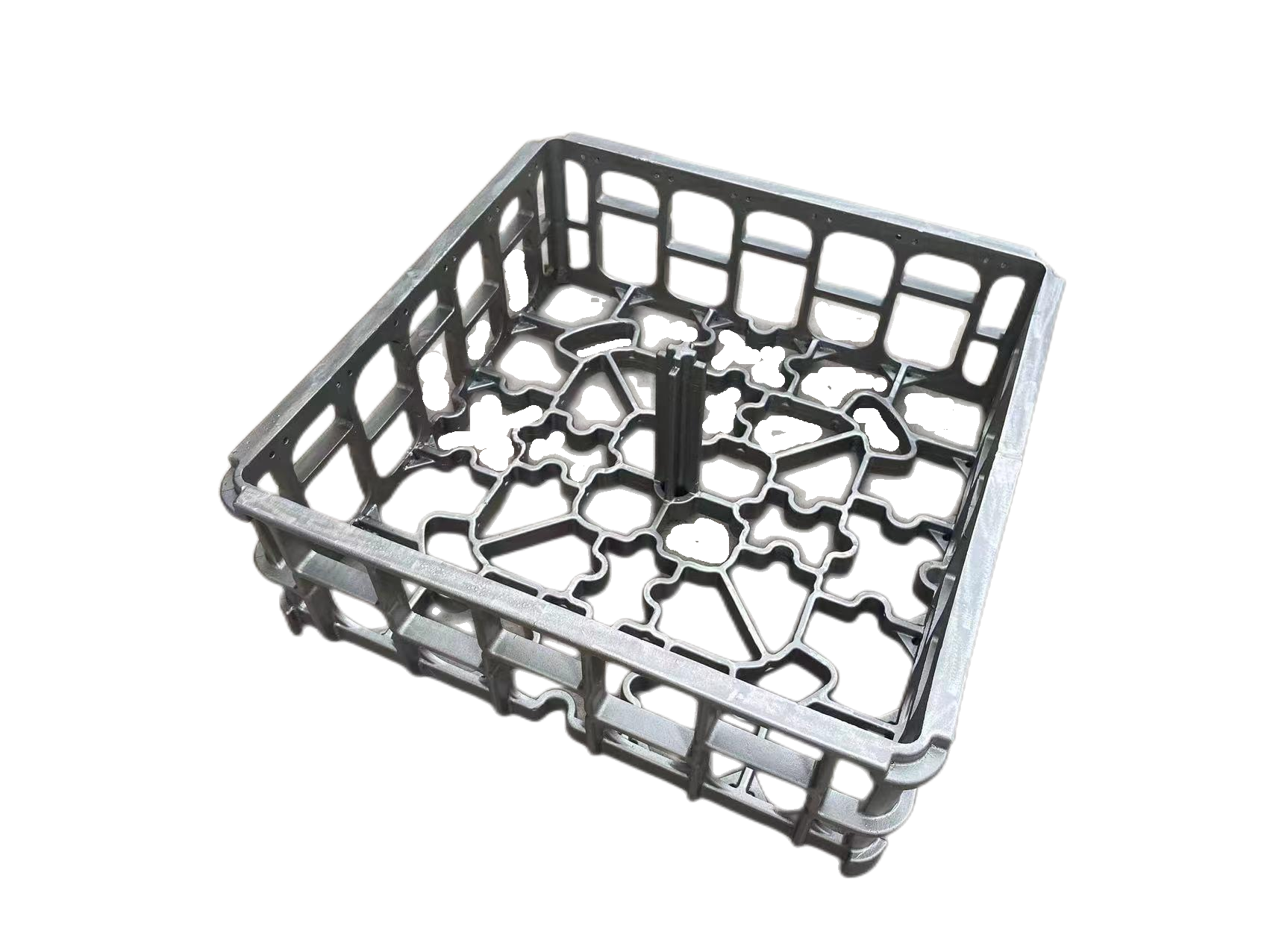
Selecting the appropriate heat treatment service represents one of the most critical decisions manufacturers face when seeking to enhance material properties and ensure product reliability. The complexity of modern industrial applications demands precise metallurgical processes that can transform raw materials into high-performance components capable of withstanding extreme operational conditions. Understanding the fundamental principles behind thermal processing enables businesses to make informed decisions that directly impact product quality, operational efficiency, and long-term profitability.
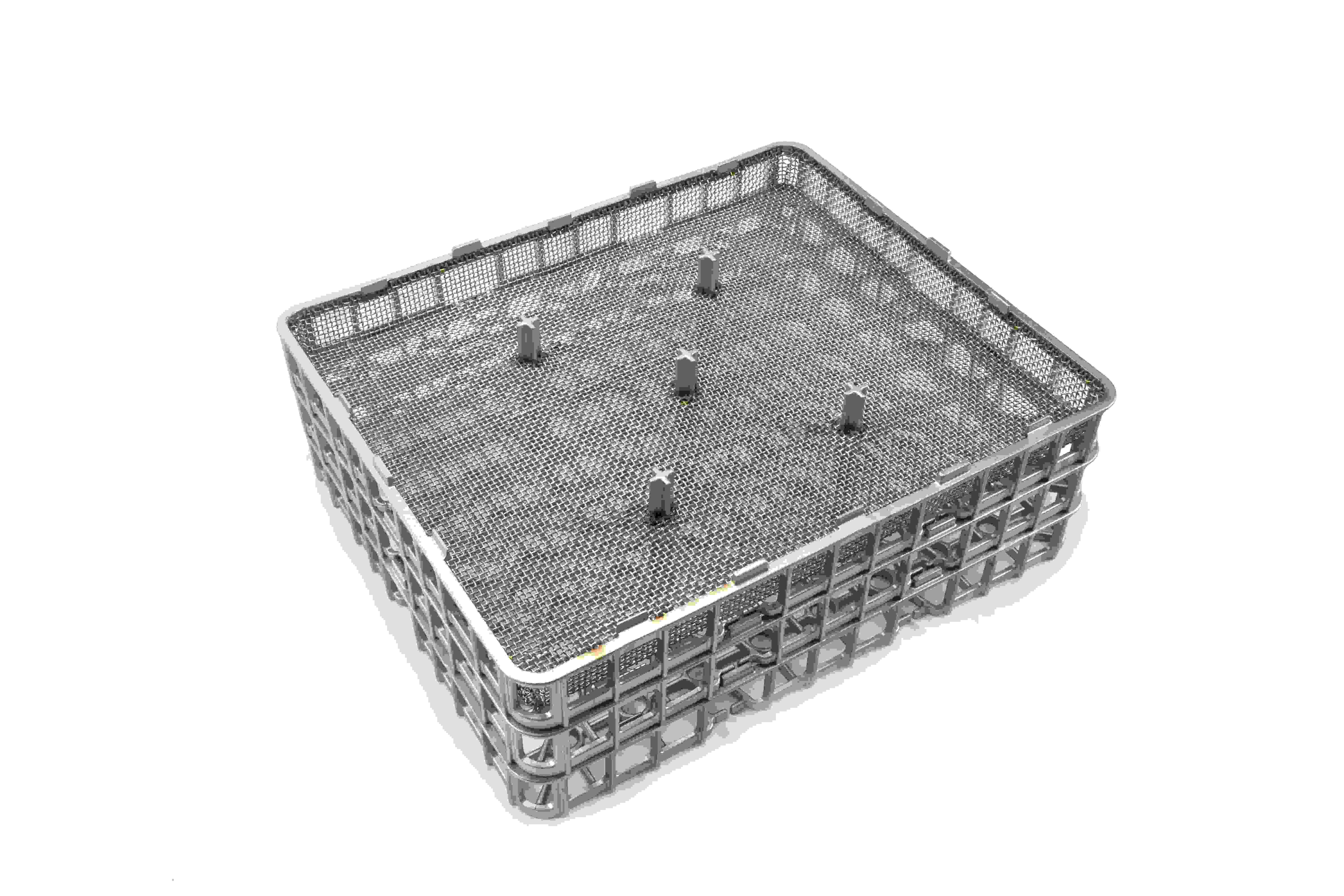
The metallurgical industry has evolved significantly over recent decades, introducing sophisticated techniques that allow for unprecedented control over material characteristics. Contemporary heat treatment processes encompass a broad spectrum of methodologies, each designed to achieve specific mechanical properties such as increased hardness, improved ductility, enhanced wear resistance, or superior corrosion protection. These thermal modification techniques have become indispensable across various sectors including automotive manufacturing, aerospace engineering, construction equipment, and precision tooling industries.
Understanding Heat Treatment Fundamentals
Basic Thermal Processing Principles
Heat treatment involves the controlled heating and cooling of metallic materials to alter their internal structure and achieve desired mechanical properties. This fundamental process manipulates the crystalline structure of metals through carefully controlled temperature cycles, holding times, and cooling rates. The science behind thermal processing relies on phase transformations that occur within the material's microstructure, allowing engineers to optimize properties such as strength, toughness, and dimensional stability.
Understanding the relationship between temperature, time, and material composition forms the foundation for successful thermal processing applications. Different alloy systems respond uniquely to thermal cycles, requiring specialized knowledge to achieve optimal results. Carbon steels, for instance, undergo distinct phase transformations at specific temperature ranges, while stainless steels and non-ferrous alloys exhibit different thermal behaviors that demand tailored processing approaches.
Common Heat Treatment Methods
Annealing represents one of the most widely applied thermal processing techniques, designed to reduce internal stresses and improve material workability. This process involves heating materials to specific temperatures followed by controlled cooling to achieve desired softness and ductility levels. Annealing applications span across various industries where improved machinability and reduced brittleness are essential for subsequent manufacturing operations.
Hardening and tempering processes constitute another critical category of thermal treatments, particularly valuable for components requiring high strength and wear resistance. These procedures involve rapid cooling from elevated temperatures followed by controlled reheating to achieve optimal balance between hardness and toughness. The precise control of these thermal cycles determines the final mechanical properties and service performance of treated components.
Normalizing treatments provide an intermediate approach between annealing and hardening, offering improved mechanical properties while maintaining reasonable ductility levels. This process proves particularly beneficial for structural components that require enhanced strength without excessive hardness that might compromise impact resistance or weldability characteristics.
Service Provider Evaluation Criteria
Technical Capabilities Assessment
Evaluating potential service providers requires comprehensive analysis of their technical capabilities, equipment specifications, and process control systems. Modern heat treatment facilities should demonstrate advanced furnace technologies capable of maintaining precise temperature uniformity throughout the treatment cycle. Atmosphere control capabilities represent another crucial factor, as many applications require specific environmental conditions to prevent oxidation or decarburization during processing.
Quality management systems play a fundamental role in ensuring consistent results and traceability throughout the treatment process. Reputable service providers maintain comprehensive documentation systems that track processing parameters, material certifications, and test results for every batch processed. This level of documentation proves essential for industries with stringent quality requirements such as aerospace, medical devices, and nuclear applications.
Industry Experience and Specialization
Service provider experience within specific industry sectors can significantly impact treatment outcomes and overall project success. Companies specializing in particular applications often possess deep knowledge of material behaviors, processing challenges, and quality requirements unique to those sectors. This specialized expertise translates into more efficient processing schedules, reduced risk of treatment failures, and optimized results tailored to specific application requirements.
Geographic proximity and logistics capabilities should also factor into service provider selection decisions. Local providers often offer advantages in terms of reduced transportation costs, shorter lead times, and more responsive customer service. However, specialized applications may justify working with distant providers who possess unique capabilities or expertise not available locally.
Quality Standards and Certifications
Industry Compliance Requirements
Quality certifications serve as fundamental indicators of service provider reliability and process consistency. ISO 9001 certification demonstrates commitment to systematic quality management practices, while industry-specific certifications such as AS9100 for aerospace applications or IATF 16949 for automotive suppliers indicate specialized compliance capabilities. These certifications require regular audits and continuous improvement efforts that help ensure consistent service delivery.
Nadcap accreditation represents the gold standard for special processes including heat treatment applications in aerospace and defense industries. This rigorous certification process involves detailed technical audits conducted by industry experts, ensuring that service providers maintain the highest standards of process control, equipment calibration, and personnel qualification.
Testing and Validation Capabilities
Comprehensive testing capabilities enable service providers to validate treatment effectiveness and ensure compliance with specification requirements. Hardness testing represents the most common validation method, but advanced applications may require additional testing such as microstructural analysis, mechanical property evaluation, or specialized non-destructive testing techniques.
In-house testing capabilities offer several advantages including faster turnaround times, better process control feedback, and reduced overall project costs. However, some applications may require third-party testing validation to meet customer or regulatory requirements, making it important to understand testing options and associated costs during the selection process.
Cost Considerations and Value Analysis
Pricing Structure Evaluation
Heat treatment service pricing typically involves multiple components including base processing fees, material handling charges, testing costs, and potential expediting surcharges. Understanding these pricing elements helps in making accurate cost comparisons between different service providers and identifying potential hidden costs that might impact overall project budgets.
Volume considerations can significantly influence pricing structures, with many providers offering preferential rates for larger batch quantities or long-term contracts. However, minimum batch requirements and setup costs may make smaller providers more economical for prototype work or small production runs, highlighting the importance of matching service provider capabilities to specific project requirements.
Total Cost of Ownership Analysis
Beyond initial processing costs, comprehensive cost analysis should consider factors such as transportation expenses, inventory carrying costs, and potential quality-related risks. Service providers with superior quality control systems may justify higher processing costs through reduced rejection rates and improved product reliability that translates into lower warranty costs and enhanced customer satisfaction.
Lead time considerations also impact total project costs, particularly when expedited processing or premium scheduling becomes necessary to meet production deadlines. Service providers with flexible scheduling capabilities and efficient throughput can offer significant value through reduced inventory requirements and improved production planning flexibility.
Communication and Customer Service
Technical Support Capabilities
Effective communication between customers and service providers proves essential for successful heat treatment outcomes. Technical support capabilities should encompass process consultation, material selection guidance, and troubleshooting assistance when treatment results don't meet expectations. Service providers with strong technical teams can offer valuable input during the design phase, potentially identifying opportunities for cost reduction or performance improvement.
Documentation and reporting standards vary significantly among service providers, with some offering basic processing certificates while others provide comprehensive test reports including microstructural analysis, statistical process control data, and detailed traceability information. These documentation levels should align with customer quality requirements and regulatory compliance needs.
Responsiveness and Flexibility
Service provider responsiveness becomes particularly important during urgent situations or when processing issues arise. Companies with dedicated customer service teams and clear communication protocols can provide faster problem resolution and more accurate delivery commitments. Flexibility in accommodating special requirements, schedule changes, or emergency processing needs can provide significant value for dynamic manufacturing environments.
Long-term partnership potential should influence service provider selection decisions, particularly for companies with ongoing thermal processing requirements. Service providers willing to invest in understanding customer applications and developing specialized capabilities can offer increasing value over time through process optimization and improved efficiency.
FAQ
What factors determine heat treatment cost variations between different service providers
Cost variations primarily result from differences in equipment capabilities, facility overhead costs, geographic location, and service scope offerings. Providers with advanced furnace technologies and comprehensive testing facilities typically charge premium rates but may deliver superior quality and faster turnaround times. Volume discounts, contract terms, and additional services such as machining or coating can also significantly impact overall pricing structures.
How long should typical heat treatment processes take for standard applications
Processing times vary considerably depending on material type, component size, and specific treatment requirements. Simple annealing operations might require only a few hours, while complex hardening and tempering cycles can extend over several days. Service providers should provide realistic time estimates that account for furnace loading, heating cycles, cooling periods, and any required testing or inspection activities.
What quality documentation should customers expect from professional heat treatment services
Professional service providers should supply comprehensive certificates of compliance that include processing parameters, material identification, test results, and traceability information. Advanced applications may require additional documentation such as furnace qualification records, statistical process control charts, and detailed microstructural analysis reports. The documentation level should align with industry requirements and customer quality management systems.
How can customers verify the effectiveness of heat treatment results
Treatment effectiveness verification typically involves hardness testing, dimensional inspection, and visual examination for surface quality. Advanced applications may require additional testing such as tensile strength evaluation, impact testing, or metallographic analysis. Customers should establish clear acceptance criteria and testing protocols before processing begins to ensure treatment results meet application requirements and performance expectations.
Table of Contents
- Understanding Heat Treatment Fundamentals
- Service Provider Evaluation Criteria
- Quality Standards and Certifications
- Cost Considerations and Value Analysis
- Communication and Customer Service
-
FAQ
- What factors determine heat treatment cost variations between different service providers
- How long should typical heat treatment processes take for standard applications
- What quality documentation should customers expect from professional heat treatment services
- How can customers verify the effectiveness of heat treatment results