All Categories
industrial furnace floor-0

Home > 

industrial furnace floor

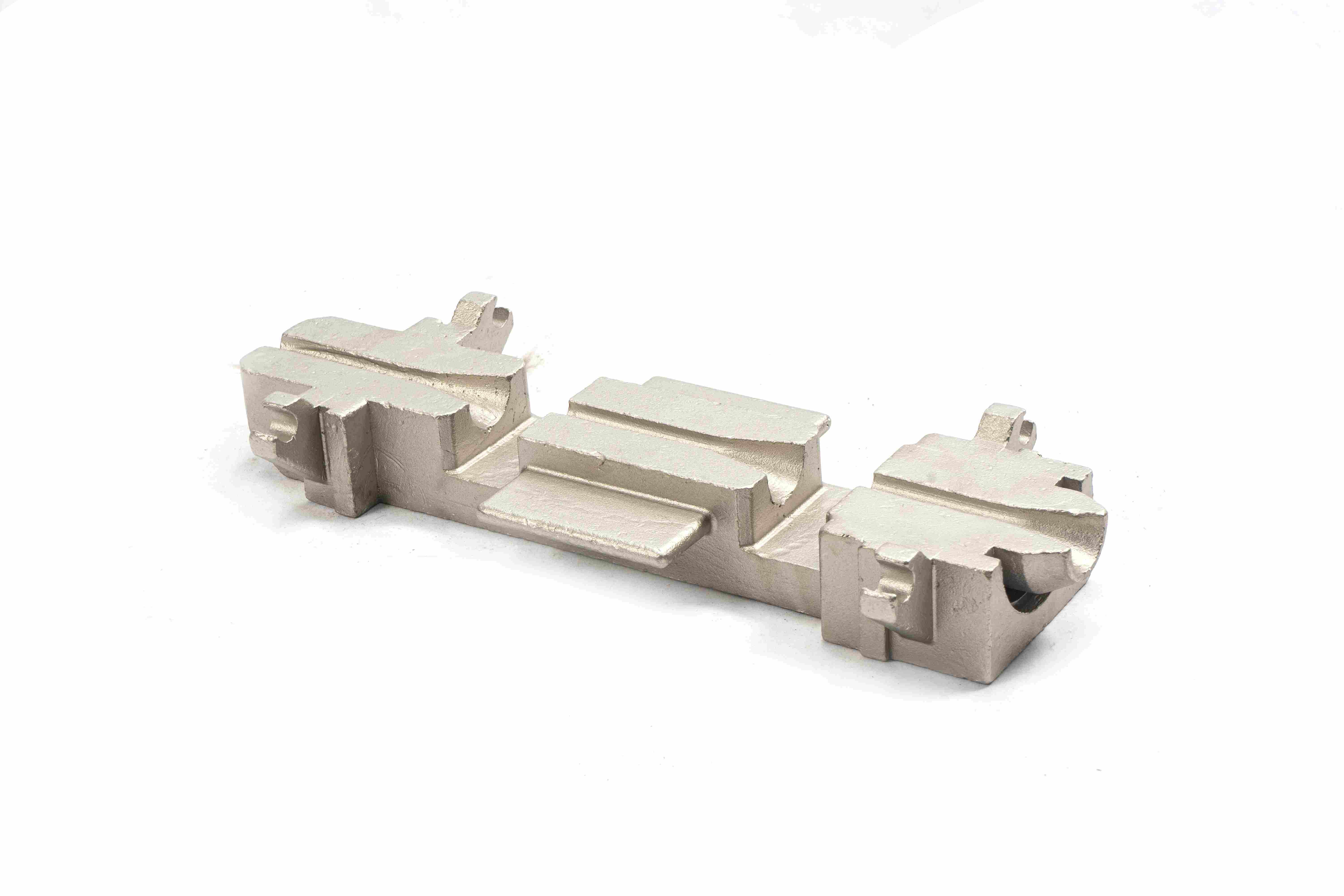
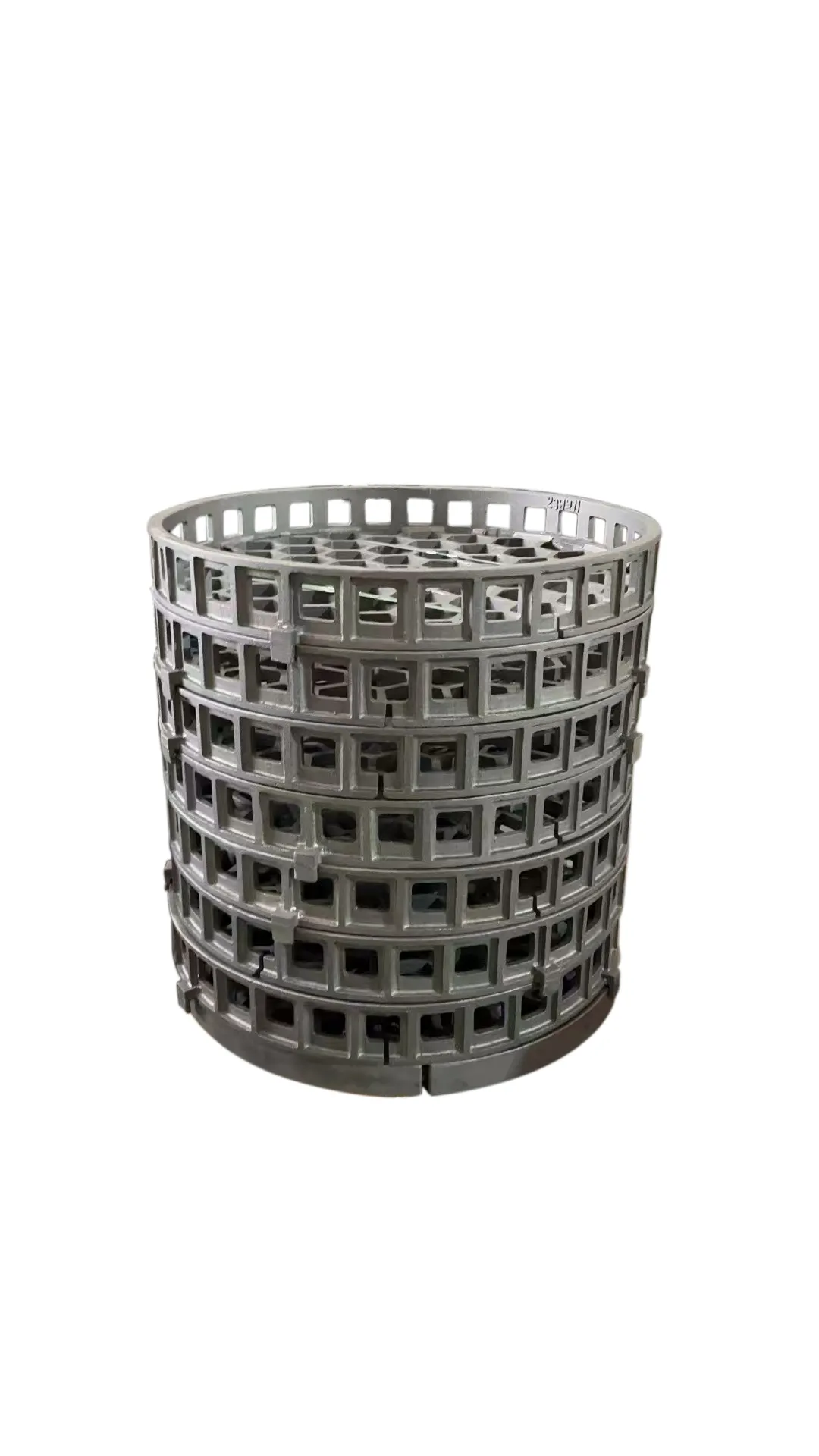
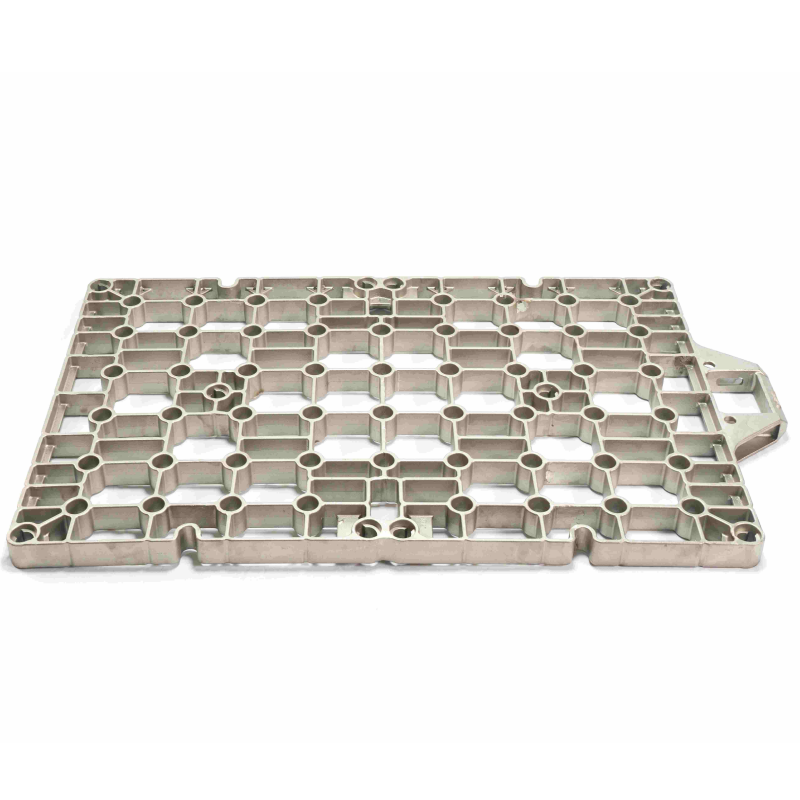
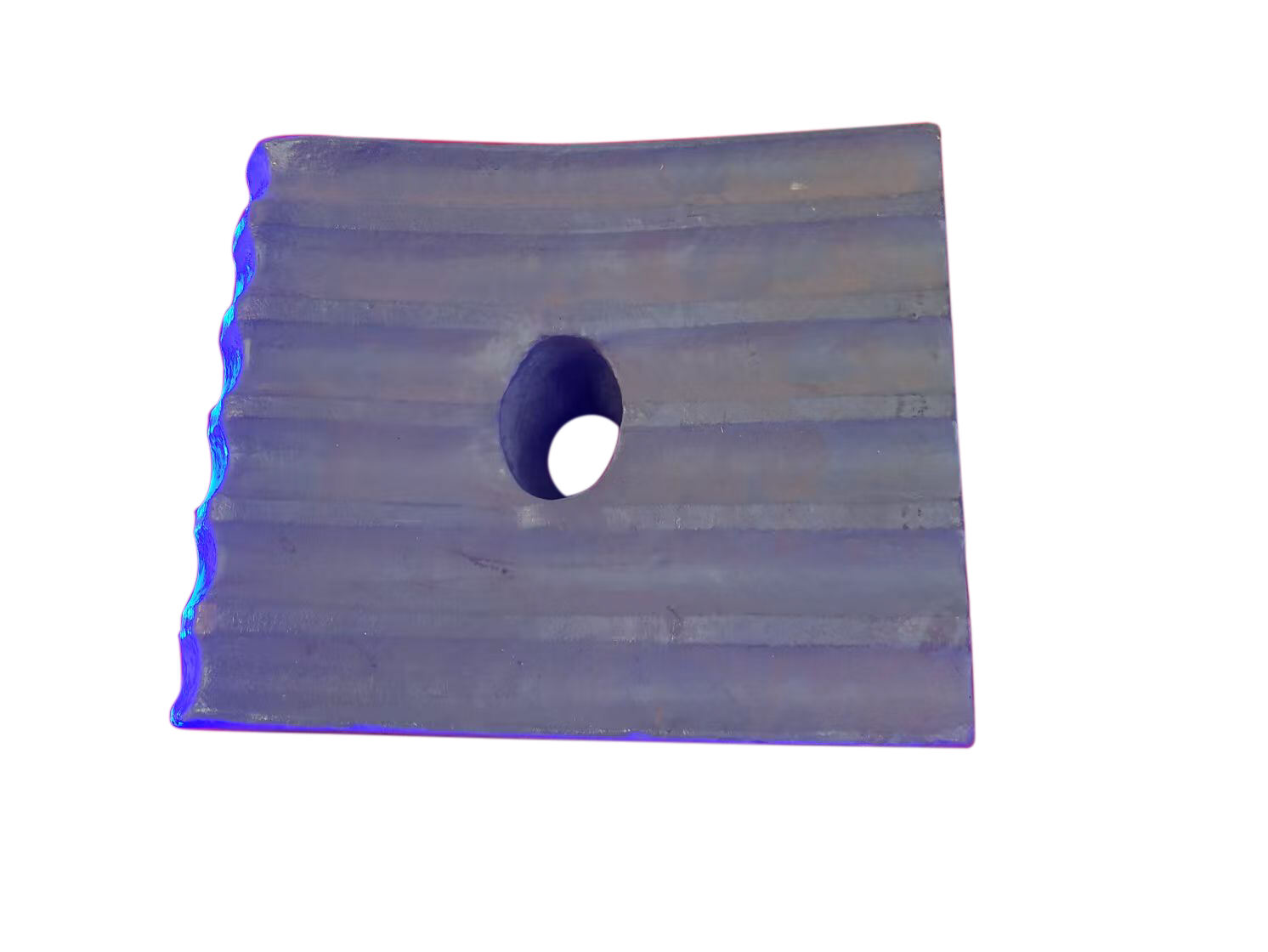
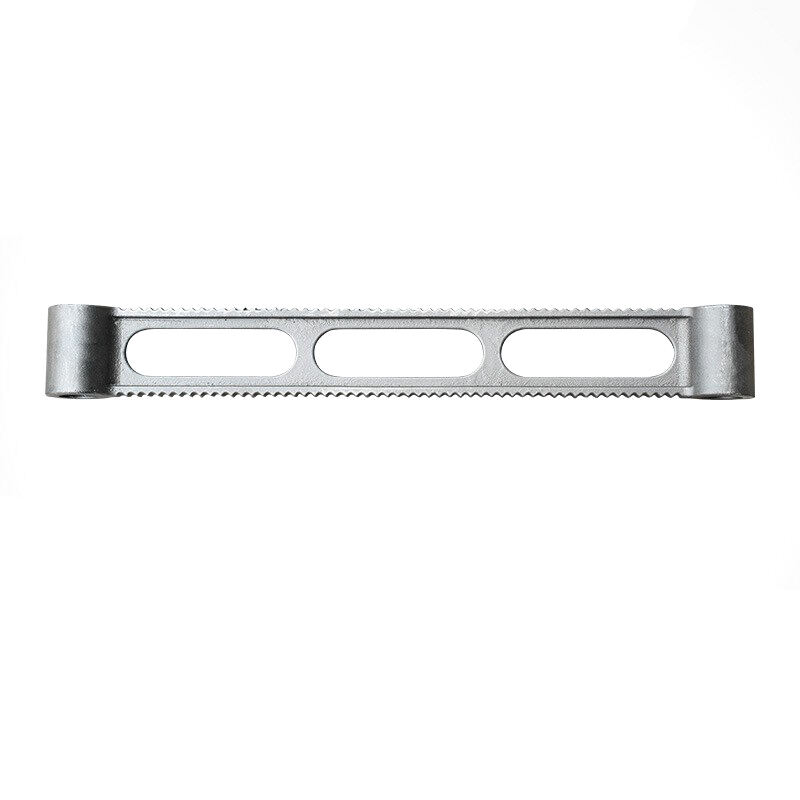
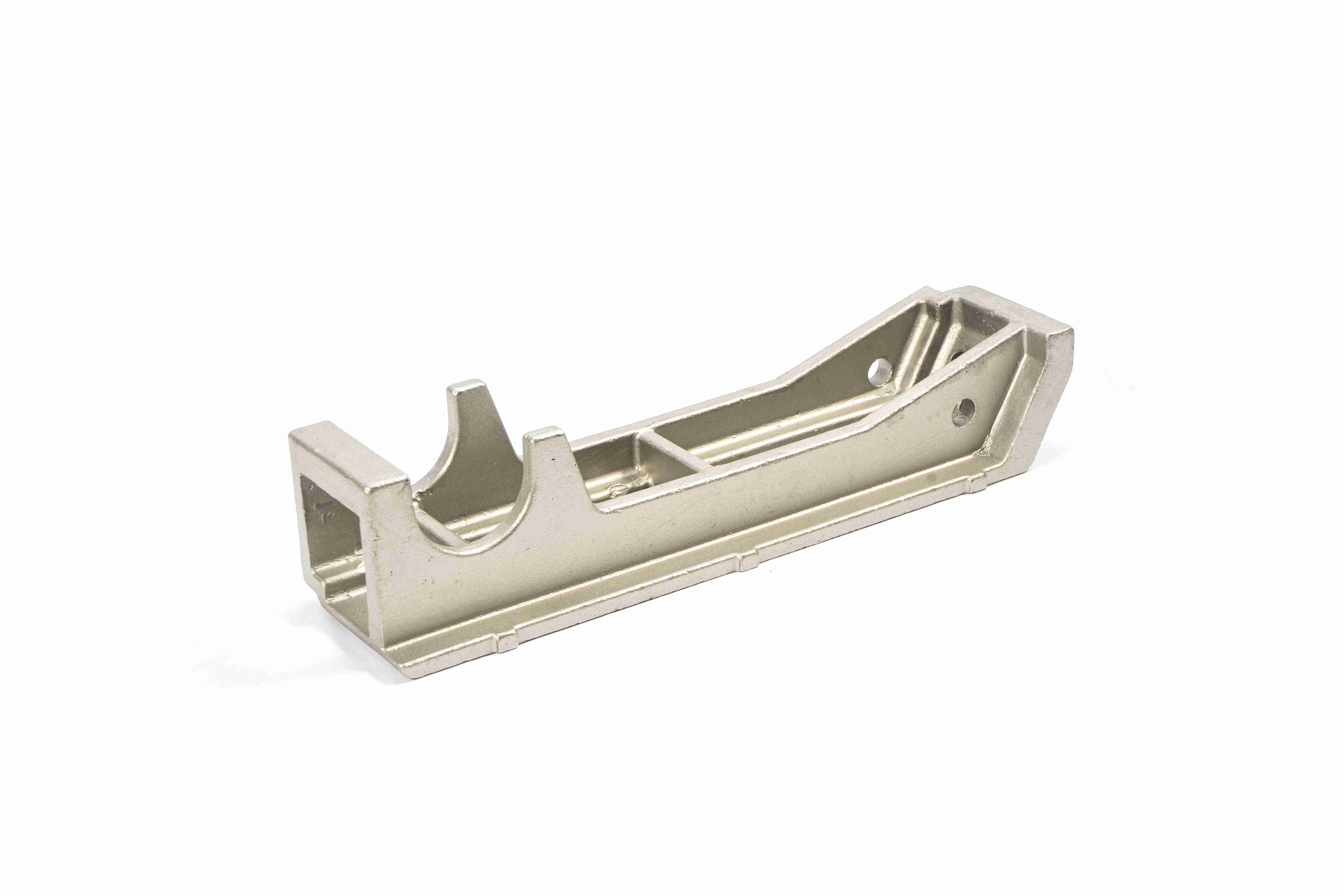
The industrial furnace floor serves as a critical component in high-temperature processing facilities, engineered to withstand extreme conditions while maintaining operational efficiency. This specialized flooring system consists of heat-resistant materials and advanced refractory compounds that can endure temperatures exceeding 2000 degrees Fahrenheit. The design incorporates multiple layers, including a structural base, insulation layers, and a protective surface coating, all working in harmony to ensure optimal performance. These floors are equipped with sophisticated temperature control systems and heat distribution mechanisms that guarantee uniform heating across the entire surface. The industrial furnace floor's construction allows for precise thermal management, essential for various manufacturing processes including metal heat treatment, ceramic firing, and glass production. Its robust composition includes reinforced concrete foundations, specialized expansion joints, and thermal barrier coatings that prevent heat loss and maintain energy efficiency. The flooring system also features integrated cooling channels and temperature monitoring sensors, enabling real-time adjustments and process control. This advanced infrastructure supports heavy industrial equipment while protecting the underlying facility structure from thermal damage.

New Product Releases

Industrial furnace floors offer numerous compelling advantages that make them indispensable in modern manufacturing settings. First and foremost, these specialized floors provide exceptional thermal efficiency, reducing energy consumption and operating costs by minimizing heat loss through the floor structure. The advanced materials used in their construction ensure remarkable durability, significantly extending the lifespan of the facility while reducing maintenance requirements and downtime. Safety features are integrated into the design, including temperature monitoring systems and emergency cooling mechanisms, protecting both personnel and equipment. The floors' superior load-bearing capacity accommodates heavy industrial equipment while maintaining structural integrity under extreme thermal conditions. Their modular design allows for easy repairs and upgrades, minimizing disruption to production schedules. The precise temperature control capabilities enable consistent product quality across various manufacturing processes. These floors also feature advanced chemical resistance, protecting against corrosive materials commonly used in industrial processes. The integrated insulation systems prevent heat transfer to surrounding areas, creating a safer work environment and reducing HVAC loads in adjacent spaces. Additionally, the floors' smooth, level surface facilitates efficient material handling and equipment positioning, while their anti-slip properties enhance workplace safety.

Practical Tips

How Alloy Steel Revolutionized the Automotive and Aerospace Industries

24

Jun

How Alloy Steel Revolutionized the Automotive and Aerospace Industries

View More
Five Reasons Why Alloy Steel Is Essential for High-Performance Applications

24

Jun

Five Reasons Why Alloy Steel Is Essential for High-Performance Applications

View More
Five Tips for Choosing the Right Heat-Resistant Steel for Your Project

24

Jun

Five Tips for Choosing the Right Heat-Resistant Steel for Your Project

View More
Understanding the Casting Process: The Manufacturing Method of Heat-Resistant Steel and Its Advantages

24

Jun

Understanding the Casting Process: The Manufacturing Method of Heat-Resistant Steel and Its Advantages

View More

Get a Free Quote

Our representative will contact you soon.
Email
WhatsApp
Name
Mobile
Message
0/1000

industrial furnace floor

Advanced Thermal Management System

Advanced Thermal Management System

The industrial furnace floor's thermal management system represents a breakthrough in temperature control technology. This sophisticated system employs a network of sensors and regulators that continuously monitor and adjust heat distribution across the entire floor surface. The multi-layer construction incorporates state-of-the-art refractory materials that optimize heat retention while preventing thermal shock. Advanced algorithms control the heating elements, ensuring precise temperature maintenance within ±5 degrees of the target setting. This level of accuracy is crucial for industries requiring exact thermal specifications, such as aerospace component manufacturing and specialized metallurgy processes. The system's rapid response capability allows for quick temperature adjustments, reducing energy consumption and improving production efficiency.
Enhanced Durability and Safety Features

Enhanced Durability and Safety Features

The industrial furnace floor's durability and safety features set new standards in industrial flooring solutions. The construction utilizes high-strength refractory materials capable of withstanding extreme temperatures and heavy mechanical loads simultaneously. Multiple safety systems are integrated, including thermal expansion joints that prevent cracking under temperature fluctuations and emergency cooling channels that can rapidly reduce floor temperature when necessary. The surface treatment incorporates anti-slip properties that remain effective even at high temperatures, ensuring worker safety. Additionally, the floor's structural design includes reinforced support elements that maintain stability under varying thermal conditions, preventing warping or deformation that could compromise safety or performance.
Efficiency and Cost Optimization

Efficiency and Cost Optimization

The efficiency and cost optimization features of the industrial furnace floor deliver significant operational benefits. The advanced insulation system reduces heat loss by up to 40% compared to traditional furnace floors, resulting in substantial energy savings. The floor's design includes maintenance-friendly features that allow for quick repairs and component replacements, minimizing production downtime. Smart monitoring systems provide real-time performance data, enabling predictive maintenance and preventing costly emergency repairs. The floor's superior heat distribution properties ensure uniform product processing, reducing waste and improving quality control. These features combine to lower operational costs while maximizing productivity, providing a compelling return on investment for industrial facilities.
Email Email WhatsApp WhatsApp TopTop