
 EN
EN
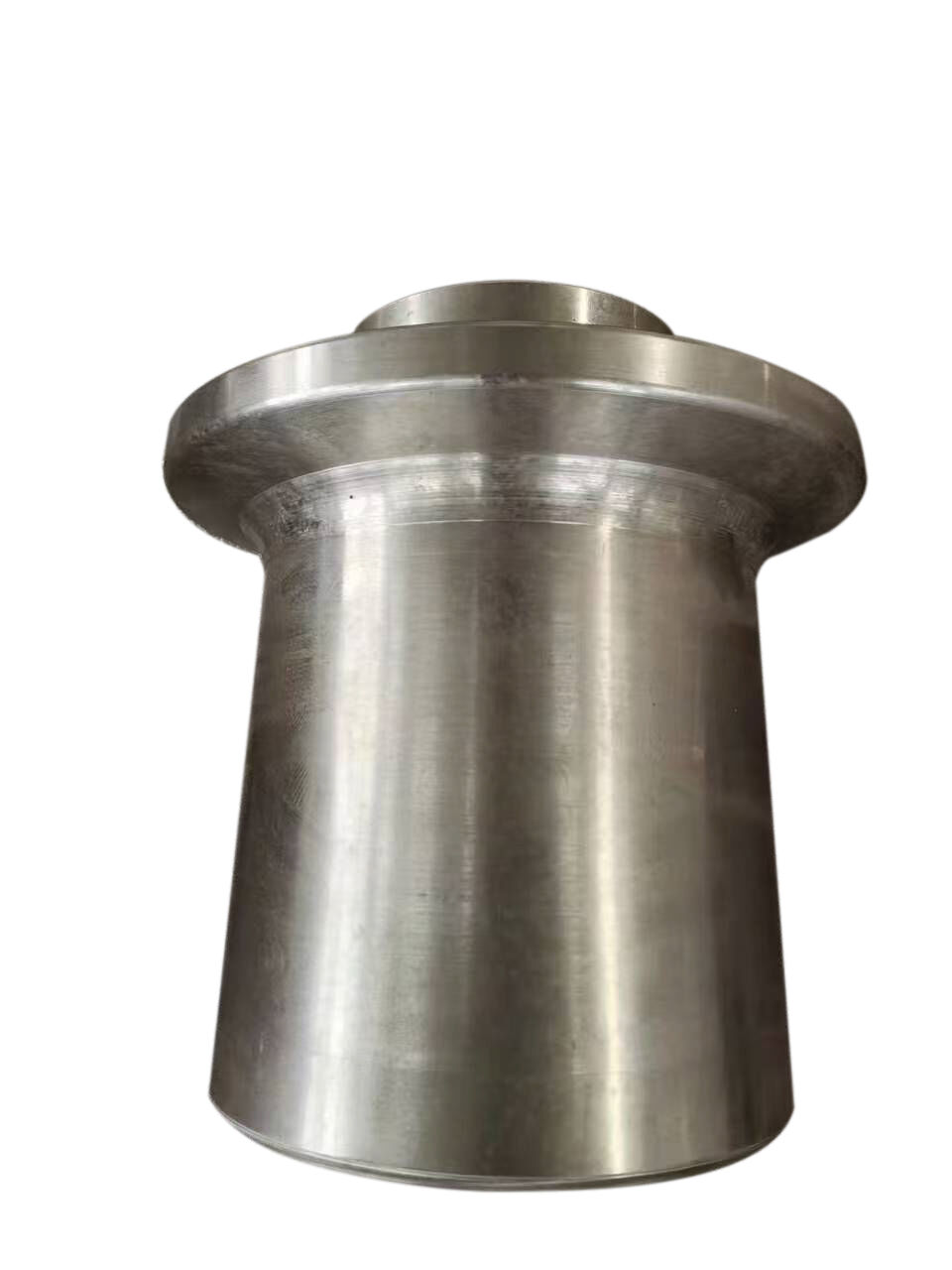
Dökme çelik üretim süreci, modern altyapının omurgasını oluşturan karmaşık bileşenlere sıvı çelik dönüştüren en kritik endüstriyel üretim yöntemlerinden birini temsil eder. 2026 yılına doğru ilerlerken, zorlu uygulamalar için doğru malzemeleri belirlemek amacıyla mühendisler, satın alma uzmanları ve sektör karar vericileri için dökme çelik üretiminin ayrıntılarını anlamak giderek daha fazla önem kazanmıştır. Bu kapsamlı kılavuz, ham madde hazırlığından nihai kalite kontrol önlemlerine kadar dökme çelik üretim sürecinin her yönünü ele alır.
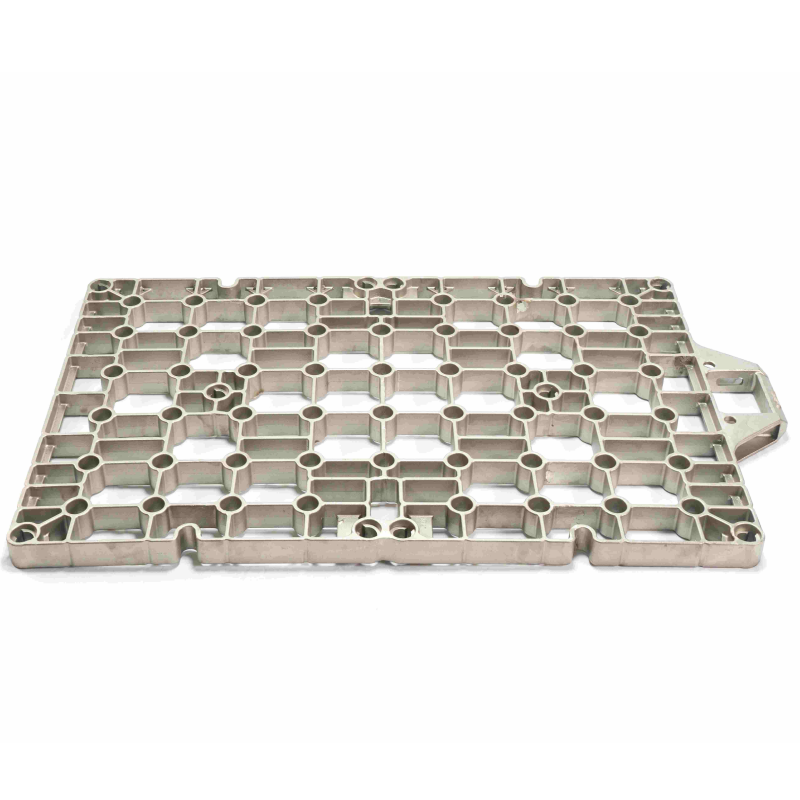
Döküm çelik üretim süreci, çelik bileşenlerin son mekanik özelliklerini, boyutsal doğruluğunu ve kullanım ömrünü belirleyen dikkatle kontrol edilen metalurjik işlemlerden oluşur. Mekanik şekil değiştirme işleminden geçen dövme çelik ürünlerinin aksine, döküm çelik sıvı halinden doğrudan şekillendirilir; bu da diğer üretim yöntemleriyle elde edilemeyecek kadar karmaşık geometriler ve iç yapılar oluşturmayı mümkün kılar. Bu süreç, endüstriyel açıdan sıkı şartları karşılayan bileşenler üretmek için hassas sıcaklık kontrolü, alaşım bileşimi yönetimi ve gelişmiş kalıp teknikleri gerektirir.
Ham Madde Hazırlığı ve Çelik Bileşimi
Çelik Hurdası Seçimi ve Sınıflandırılması
Döküm çelik üretim süreci, kimyasal bileşim ve kirlilik seviyelerine göre dikkatlice sınıflandırılan ve ayrılan çelik hurdası ile başlar. Yüksek kaliteli döküm çelik üretimi, bilinen karbon içeriğine sahip temiz hurda metal, düşük fosfor ve kükürt seviyeleri ile kontrol edilmiş iz element konsantrasyonları gerektirir. Seçim süreci, yalnızca uygun malzemelerin ergitme işlemine girmesini sağlamak amacıyla manyetik ayırma, görsel inceleme ve kimyasal analiz yöntemlerini içerir.
Çelik dökümhaneleri, nihai döküm çelik ürünlerinde tutarlılığı sağlamak amacıyla hurda kaynaklarına ilişkin ayrıntılı kayıtlar tutar ve farklı malzeme partilerinin kökenini ile kimyasal bileşimini izler. Bu izlenebilirlik, özel alaşım kaliteleri veya belirli sertifikasyon gereksinimlerini karşılamak zorunda olan bileşenler üretilirken özellikle önem kazanır. Hurda hazırlama aşaması, homojen erime özelliklerini sağlamak için kesme veya oksijen-asetilen kesme gibi yöntemlerle boyut küçültmeyi de içerir.
Alaşım Katkısı ve Kimyasal Kontrol
Kimyasal bileşim kontrolü, istenen mekanik özelliklere ulaşmak için alaşım elementlerinin hassas şekilde eklenmesini gerektiren dökme çelik üretim sürecinin kritik bir yönünü oluşturur. Yaygın alaşım elementleri arasında sertleşebilirliği artırmak için manganez, deoksidasyon için silisyum, korozyon direncini artırmak için krom ve tokluğu iyileştirmek için nikel yer alır. Alaşım elementlerinin eklenme zamanı ve yöntemi, dökme çeliğin nihai mikroyapısı ile performans özelliklerini önemli ölçüde etkiler.
Günümüzde dökme çelik üretimi, birincil ergitmeden sonra kimyasal bileşimi ince ayarlamak amacıyla gelişmiş havuz metalurjisi tekniklerini kullanır. Bu ikincil rafinasyon işlemi, karbon içeriğinin hassas şekilde ayarlanmasını, zararlı safsızlıkların uzaklaştırılmasını ve belirli özelliklerin geliştirilmesini sağlayan mikroalaşım elementlerinin eklenmesini sağlar. Kimyasal kontrol işlemi, spektroskopik analiz ile sürekli izlenmeyi ve gerçek zamanlı geri bildirimlere dayalı olarak bileşimin ayarlanmasını gerektirir.
Erime İşlemleri ve Sıcaklık Yönetimi
Elektrik Ark Fırını İşletimi
Elektrik ark fırını, çoğu modern dökme çelik üretim tesisinde birincil erime ünitesi olarak görev yapar ve hassas sıcaklık kontrolü ile temiz erime koşulları sağlar. Fırın işletimi üç ayrı aşamadan oluşur: ham madde yükleme, eritme ve rafinasyon, ve sıvı çelik boşaltma. Her aşama, en uygun erime koşullarının sağlanabilmesi için elektriksel parametrelerin, fırın atmosferinin ve cüruf kimyasının dikkatli izlenmesini gerektirir.
Elektrik ark fırını işletimi sırasında sıcaklık yönetimi doğrudan kaliteyi etkiler döküm çelik üretim üzerinde; döküm sınıfına ve döküm gereksinimlerine bağlı olarak tipik döküm sıcaklıkları 1580°C ile 1650°C arasında değişir. Eritme süreci, alaşım elementlerinin tamamen çözünmesini sağlamak ve oksidasyon kayıplarını en aza indirmek amacıyla güç girdisinin, elektrot konumunun ve oksijen enjeksiyonunun dikkatli bir şekilde kontrol edilmesini gerektirir.
Kazan İşlemi ve İkincil Rafinasyon
Kasnağı tedavi istasyonlarındaki ikincil rafinasyon işlemler, dökme çelik kalitesini kimyasal ve termal kontrol ile hassasiyetle artırarak gelişmiş metalurjik süreçlerdir. Kasnak tedavi işlemi, çözünmüş hidrojen ve azotun uzaklaştırılması için degazaj işlemlerini, sünekliği artırmak için desülfürizasyonu ve mekanik özelliklerin iyileştirilmesi için inklüzyon modifikasyonunu içerir. Bu işlemler, dökme çelik eriyiğinin yeniden oksitlenmesini önlemek amacıyla kontrollü atmosfer koşullarında gerçekleştirilir.
Kasnak tedavisi sırasında argon karıştırma, kimyasal homojenleşmeyi sağlar ve dökme çelik bileşenlerin bütünlüğünü tehlikeye atabilecek metal olmayan inklüzyonların uzaklaştırılmasını kolaylaştırır. Karıştırma işlemi ayrıca kasnaktaki sıcaklığın eşitlenmesine yardımcı olur ve böylece tutarlı döküm koşulları sağlanır. Gelişmiş kasnak tedavi tesisleri, kritik uygulamalarda gereken ultra-temiz dökme çelik kalitelerinin üretimi için vakumlu degazaj kapasitesine sahip olabilir.
Kalıp Alma ve Döküm Teknikleri
Kum Kalıbı Hazırlama ve Tasarımı
Kum kalıplama, dökme çelik üretiminde en yaygın olarak kullanılan tekniktir ve çeşitli parti büyüklükleri için bileşen tasarımında esneklik ve maliyet etkin üretim imkânı sunar. Kalıp hazırlama süreci, kalıpların oluşturulmasını, kum-karışımının hazırlanmasını ve uygun kanal (gating) ile besleyici (risering) sistemleriyle birlikte kalıp bölümlerinin monte edilmesini içerir. Nemle aktive edilen kil bağlayıcılar kullanan yeşil kum kalıplarının yanı sıra, kimyasal olarak bağlanmış kumlar daha üstün boyutsal doğruluk ve yüzey kalitesi sağlar.
Dökme çelik üretimi için kalıp tasarımı, porozite, sıcak çatlaklar ve inklüzyonlar gibi kusurların önlenmesi amacıyla büzülme telafisi, yönlendirilmiş katılaşma ve besleme gereksinimleri açısından dikkatli bir şekilde değerlendirilmelidir. Giriş sistemi tasarımı, sıvı dökme çelik akış hızını ve kalıp boşluğuna girişi kontrol ederken, çıkartma sistemi (riser sistemi), katılaşma sırasında oluşan büzülmeyi telafi etmek için ek sıvı metal sağlar. Bilgisayar simülasyon yazılımları, fiziksel üretimden önce kalıp tasarımlarının optimizasyonuna giderek daha fazla yardımcı olmaktadır.
Yatırım Dökümü ve Hassas Teknikler
Yatırım dökümü, aynı zamanda kayıp mum dökümü olarak da bilinir ve üstün boyutsal doğruluk ile mükemmel yüzey kalitesine sahip karmaşık döküm çelik parçalarının üretimini sağlar. Bu hassas döküm tekniği; mum kalıpların oluşturulmasını, ardışık daldırma ve kaplama işlemlerinin uygulanmasıyla seramik kabuk kalıpların hazırlanmasını ve erimiş döküm çeliklerin pişirilmiş seramik kabuklara dökülmesini içerir. Bu süreç, ayırma çizgilerini ortadan kaldırır ve geleneksel kum dökümüyle imal edilemeyecek kadar karmaşık iç kanalların üretimine olanak tanır.
Dökme çelik için kayıp kalıp döküm süreci, mum desen üretimi, kabuk oluşturma fırınları ve mum çıkarma otoklavları için özel ekipmanlar gerektirir. Desen malzemeleri, dökme çelik büzülmesini telafi edecek uygun termal genleşme özelliklerine sahip olmalıdır; buna karşılık kabuk malzemeleri, yüksek döküm sıcaklıklarına bozulmadan dayanabilmelidir. Kayıp kalıp döküm sırasında kalite kontrolü, desenlerin boyutsal doğrulamasını, kabuk kalınlığı ölçümünü ve döküm sırasında uygun havalandırmayı sağlamak amacıyla geçirgenlik testini içerir.
Katılaşma Kontrolü ve Isıl İşlem
Kontrollü Soğutma ve Mikroyapı Gelişimi
Dökme çelik üretimi sırasında katılaşma kontrolü, döküm parçalarının nihai mikroyapısını ve mekanik özelliklerini önemli ölçüde etkiler. Soğuma hızı, tane boyutunu, ayrılmışlık (segregasyon) desenlerini ve dayanım, süneklik ile darbe direncini belirleyen ikincil fazların oluşumunu etkiler. İstenen özelliklere ve dökme çelik parçanın kesit kalınlığına bağlı olarak kontrollü soğutma teknikleri arasında hava soğutması, zorlanmış hava sirkülasyonuyla hızlandırılmış soğutma ve suyla sertleştirme (quenching) yer alır.
Dökme çelikte mikroyapı gelişimi, soğutma koşullarına ve alaşım bileşimine bağlı olarak ostenitin ferrit, perlit, bainit veya martensit gibi çeşitli fazlara dönüşümünü içerir. Bu dönüşüm kinetiğini anlamak, dökümhanelerin belirli uygulamalar için mekanik özellikleri optimize eden soğutma programları tasarlamasını sağlar. Gelişmiş dökme çelik sınıfları, yüzey oksidasyonunu önlemek ve boyutsal kararlılığı korumak amacıyla kontrollü atmosferde soğutma gerektirebilir.
Isıl İşlem Operasyonları ve Özellik İyileştirilmesi
Isıl işlem operasyonları, dökme çelik bileşenlerin mikroyapısını iyileştiren ve mekanik özelliklerini artıran temel döküm sonrası işlemlerdir. Yaygın ısıl işlem çevrimleri arasında tane yapısını iyileştirmek için normalizasyon, sertliği azaltmak ve işlenebilirliği artırmak için tavlamak ile optimum dayanım ve tokluk kombinasyonlarını elde etmek için su verme ve temperleme işlemleri yer alır. Uygun ısıl işlem parametrelerinin seçilmesi, dökme çelik bileşiminin kimyasal kompozisyonuna, kesit boyutuna ve kullanım koşullarına bağlıdır.
Gerilim giderme ısı işlemi, dökme çelik bileşenlerin katılaşması ve soğuması sırasında oluşan gerilimleri giderir ve işlenme veya kullanım sırasında şekil bozulmalarını önler. Bu işlem genellikle dönüşüm aralığının altındaki sıcaklıklara ısıtma, gerilimlerin gevşemesine izin verecek kadar yeterli süre bekletme ve odun sıcaklığına kadar kontrollü soğutma aşamalarını içerir. Özellikle kapsamlı işlenecek büyük veya karmaşık dökme çelik bileşenler için doğru gerilim giderme işlemi son derece önemlidir.
Kalite Kontrolü ve Test Yordamları
Yıkıcı Olmayan Test Yöntemleri
Dökme çelik üretiminde kalite kontrolü, bileşen bütünlüğünü bozmadan iç yapıyı doğrulamak ve olası kusurları tespit etmek amacıyla kapsamlı tahribatsız muayene yöntemlerini kullanır. Ultrasonik muayene, dökme çelik bileşenlerdeki iç süreksizlikler, inklüzyon içeriği ve duvar kalınlığı değişiklikleri hakkında ayrıntılı bilgi sağlar. Radyografik muayene ise yapısal performansı etkileyebilecek iç gözeneklilik, çekme kusurları ve inklüzyon dağılımlarını ortaya çıkarır.
Manyetik parçacık testi, ferromanyetik dökme çelik malzemelerdeki yüzey ve yüzeye yakın kusurları tespit ederken, sıvı penetrant testi, malzemenin manyetik özelliklerinden bağımsız olarak yüzey kırılma süreksizliklerini belirler. Görsel muayene, dökme çelik bileşenlerin yüzey kalitesini, boyutsal doğruluğunu ve genel görünümünü değerlendiren temel bir kalite kontrol yöntemi olmaya devam etmektedir. Gelişmiş muayene teknikleri, karmaşık iç geometriler için bilgisayarlı tomografi ve belirli uygulamalar için girdap akımı testini içerebilir.
Mekanik Özellik Doğrulaması
Mekanik özellik testleri, standartlaştırılmış test prosedürleri aracılığıyla dökme çelik bileşenlerinin belirtilen performans gereksinimlerini karşıladığını nicel olarak doğrular. Çekme testi, dökme çelik malzemelerin temel mekanik özelliklerini karakterize eden akma mukavemeti, kopma mukavemeti, uzama ve kesit daralması değerlerini belirler. Darbe testi ise tokluğu ve kırılma direncini değerlendirir; bu özellikle dinamik yükleme koşullarına maruz kalan bileşenler için büyük önem taşır.
Sertlik testi, ısı işlemi etkinliğinin izlenmesi ve dökme çelik bileşenlerin tamamında tutarlı mekanik özelliklerin sağlanmasının sağlanması açısından pratik bir yöntem sunar. Dönüşümlü yükleme altındaki bileşenler için yorulma testi gerekebilir; buna karşılık sürünme testi, yüksek sıcaklıklarda uzun süreli performansı değerlendirir. Kalite kontrol prosedürleri, dökme çelik üretim işlemlerindeki süreç kararlılığını sağlamak ve eğilimleri belirlemek amacıyla test sonuçlarının istatistiksel analizini içerir.
SSS
Döküm çelik ile diğer çelik ürünlerinin ana farkları nelerdir?
Döküm çelik, işlenmiş çelik ürünlerinden öncelikle üretim yöntemi ve bunun sonucunda oluşan mikroyapısı açısından ayrılır. İşlenmiş çelik, tane yapısını iyileştiren ve gözenekliliği ortadan kaldıran mekanik işleme tabi tutulurken, döküm çelik doğrudan sıvı halinden şekillendirilir; bu da karmaşık geometrilerin oluşturulmasına olanak tanır ancak katılaşma sürecinin dikkatli bir şekilde kontrol edilmesini gerektirir. Döküm çelik genellikle daha kalın taneli bir yapıya sahiptir ve bazı kalan gözeneklilik içerebilir; ancak işlenmiş ürünlerle imal edilmesi mümkün olmayan karmaşık şekiller ve iç geçitler için tasarım esnekliği sunar.
Üretim sırasında döküm çeliğin kalitesi nasıl kontrol edilir?
Dökme çelik üretiminde kalite kontrolü, ham madde doğrulaması, ergitme sırasında kimyasal bileşim analizi, süreç boyunca sıcaklık izlemesi, döküm öncesi kalıp incelemesi ve bitmiş parçaların kapsamlı testleri dahil olmak üzere çoklu kontrol noktalarını içerir. Modern dökümhaneler, tutarlı kaliteyi sağlamak amacıyla istatistiksel süreç kontrol yöntemleri, gerçek zamanlı izleme sistemleri ve gelişmiş tahribatsız muayene tekniklerini kullanır. Isıl işlem parametreleri, mekanik özellik testleri ve mikroyapı incelemeleri aracılığıyla dikkatle kontrol edilir ve doğrulanır.
Dökme çelikte mekanik özellikleri belirleyen faktörler nelerdir?
Dökme çelik malzemelerin mekanik özellikleri, kimyasal bileşimine, katılaşma sırasında soğuma hızına, ısı işlem koşullarına ve inklüzyonlar veya kusurların varlığına bağlıdır. Karbon içeriği, öncelikle mukavemet ve sertliği etkiler; manganez, krom ve nikel gibi alaşım elementleri ise sertleşebilirlik, korozyon direnci ve tokluk gibi belirli özellikleri artırır. Soğuma hızı, tane boyutunu ve mikroyapıyı etkiler; genellikle daha hızlı soğuma daha ince taneler ve daha yüksek mukavemet sağlar ancak potansiyel olarak sünekliği azaltabilir.
Dökme çelik bileşenlerin tipik uygulama alanları nelerdir?
Dökme çelik bileşenler, yüksek gerilmelere ve zorlu işletme koşullarına dayanma yetenekleri nedeniyle ağır sanayi, enerji üretimi, madencilik ekipmanları, ulaşım ve inşaat sektörlerinde yaygın olarak kullanılır. Yaygın uygulamalara örnek olarak vanaların gövdesi, pompa muhafazaları, dişli kutuları, yapısal bağlantı parçaları, vinç kancaları ve demiryolu bağlayıcıları verilebilir. Döküm işlemi, dövme çelik ürünlerden imal edilmesi durumunda birden fazla kaynaklı montaj gerektirecek büyük ve karmaşık bileşenlerin, entegre özelliklerle birlikte üretimini mümkün kılar.